


A New, Simpler Era for Travel
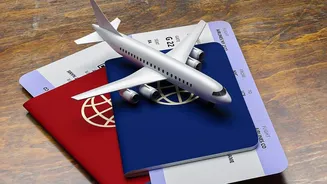
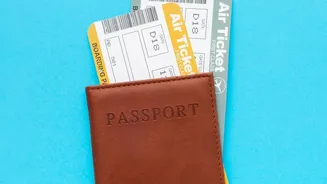
The game has officially changed for Indian travellers dreaming of Central Asia. Under a new policy, Indian passport holders can enter Uzbekistan and stay for up to 30 days without needing a visa. This move, announced in late August 2026, aims to strengthen
tourism and cultural ties between the two nations. It removes a significant hurdle of paperwork and fees, which previously involved applying for an e-visa. This visa-free arrangement simplifies planning for everything from holidays and family visits to cultural tours along the ancient Silk Road. While the policy is a major step forward, travellers should always check the latest official rules regarding passport validity and other entry requirements with the Embassy of Uzbekistan before booking non-refundable travel.
Crafting Your 30-Day Silk Road Itinerary
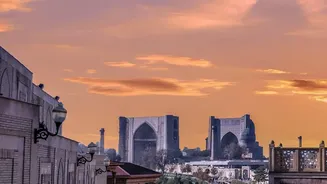
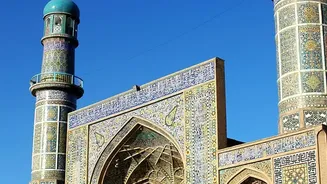
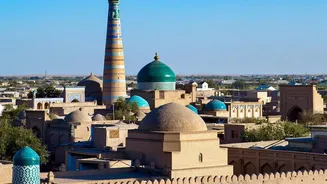
A full month gives you the luxury of a relaxed pace, allowing you to go beyond the typical tourist circuit. The classic route covers the legendary trio of Samarkand, Bukhara, and Khiva, along with the capital, Tashkent. Start in Tashkent, a city of Soviet-era architecture, bustling bazaars like Chorsu, and a stunning metro system. From there, a high-speed 'Afrosiyob' train can whisk you to Samarkand in about two hours. Dedicate ample time here to soak in the majesty of the Registan Square, the Shah-i-Zinda necropolis, and Gur-e-Amir, the tomb of the conqueror Timur. Next, travel to the ancient, living museum city of Bukhara, where the entire old town is a UNESCO World Heritage site. A 30-day trip allows for deeper exploration, such as a visit to the remote desert fortresses of Khorezm near Khiva, a trip to the mountain resorts of Chimgan, or even exploring the artisan workshops of the Fergana Valley.
Budgeting for Your Grand Tour
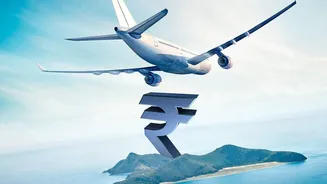
Uzbekistan remains remarkably affordable, and a 30-day trip can be managed on a surprisingly reasonable budget. With visa costs eliminated, the primary expenses are flights, accommodation, and food. Round-trip flights from Delhi to Tashkent can be found for between ₹25,000 and ₹35,000 if booked in advance, with several direct flights available weekly. Once there, expenses are low. A comfortable stay in a boutique guesthouse might cost between ₹1,500 and ₹3,000 per night, while hearty meals of plov, shashlik, and samsa can be enjoyed for a few hundred rupees. Inter-city travel via the efficient train network is also inexpensive, with trips on the modern high-speed trains costing around ₹1,000-₹1,500. A comfortable budget for a month, excluding international flights, could realistically fall in the range of ₹60,000 to ₹80,000 per person, offering excellent value.
A Familiar Flavour in a Foreign Land
The journey is not just through stunning landscapes but also through a shared history that resonates deeply with Indian culture. This connection is most famously embodied by Zahir-ud-din Muhammad Babur, the founder of the Mughal Empire, who was born in the Fergana Valley of modern-day Uzbekistan. This shared Turco-Mongol and Persianate heritage is visible in the architecture, art, and even the cuisine. The Uzbek national dish, Plov, a fragrant rice pilaf with meat and carrots, feels like a distant cousin to our biryani. Many locals have a fondness for Indian culture, particularly Bollywood films, and it's not uncommon to find Hindi-speaking shopkeepers in the bazaars of Bukhara. Cultural institutions like the Lal Bahadur Shastri Centre for Indian Culture in Tashkent further cement these modern-day ties.
Practical Tips for a Smooth Journey
Getting around is straightforward. The high-speed train network is the best way to travel between major cities, and you can book tickets online. Within cities, the Yandex Go app works like Uber for booking affordable taxis. For accommodation, your hotel or guesthouse is required to register your stay with the authorities; they will provide you with a registration slip or digital proof which you should keep safe. While credit cards are accepted in larger hotels and restaurants in Tashkent, cash (Uzbek Som) is essential for markets and smaller towns. It's best to carry US dollars to exchange locally, as finding Uzbek Som in India is not possible. A local SIM card is cheap and provides good data coverage, which is useful for maps and translation apps.