




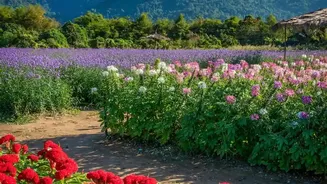
A Flower Under Protection
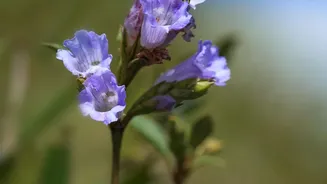
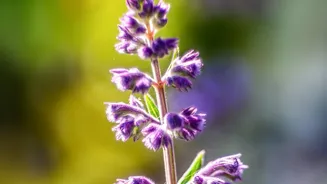
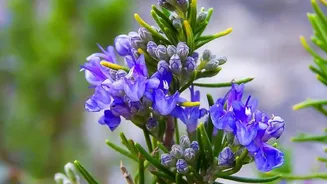
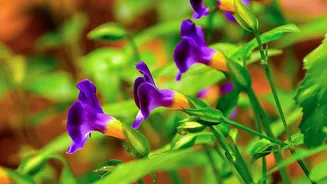
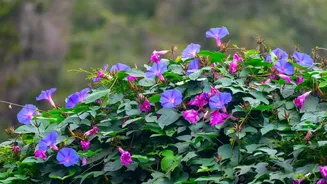
The government has taken a significant step to conserve the Neelakurinji, scientifically known as Strobilanthes kunthiana. The Ministry of Environment, Forest and Climate Change has listed the plant under Schedule III of the Wildlife (Protection) Act,
1972, officially making it a protected species. This decision comes in response to the growing threat posed by tourist activity. In recent years, the unique bloom has attracted large crowds, leading to instances of people plucking the flowers or uprooting the plants for souvenirs. Under the new rules, anyone caught destroying the plant can face a hefty fine of ₹25,000 and up to three years in prison. The cultivation and possession of Neelakurinji are also now prohibited, a move environmentalists hope will deter destructive behaviour and preserve the fragile ecosystem where it thrives.
The 12-Year Marvel of the Ghats
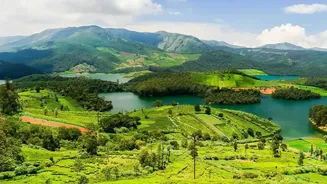
What makes the Neelakurinji so special is its incredibly patient life cycle. The shrub grows for 11 years, gathering nutrients before unleashing a synchronized mass flowering in its twelfth year. This phenomenon, known as gregarious flowering, transforms entire hillsides into a breathtaking carpet of colour. After this glorious but brief display, the plant dies, releasing its seeds to begin the long countdown all over again. This cycle is so reliable that the Paliyan tribal community in Tamil Nadu has historically used the blooming to calculate their age; seeing two blooms means you are 24 years old. This botanical marvel is endemic to the shola forests of the Western Ghats, growing at high altitudes between 1,300 and 2,400 metres in parts of Tamil Nadu, Kerala, and Karnataka.
More Than Just a Pretty Flower
The Neelakurinji is not just a visual spectacle; it is a keystone species for its ecosystem. During its bloom, the nectar-rich flowers are a vital food source for honeybees, leading to the production of a rare and highly-prized 'Kurinjithen' or Kurinji honey. The mass blooming supports a boom in pollinator populations, including bees and butterflies, which benefits the entire ecosystem. The plant also acts as an indicator of ecological health, as it is sensitive to changes in climate and habitat. Its deep roots in the grasslands help prevent soil erosion on the steep slopes of the Ghats, making its preservation critical for the stability of the landscape. For centuries, the flower has been woven into local culture and is even mentioned in classical Tamil Sangam literature, where it symbolises love and the mountainous landscape.
The Double-Edged Sword of Tourism
While the blooming event is a major draw for tourism, the influx of visitors poses a significant threat. Unregulated tourism can lead to the trampling of the delicate plants and surrounding grasslands, soil compaction, and littering. The recent bloom in the Gudalur region of the Nilgiris drew hundreds of visitors, prompting the Tamil Nadu Forest Department to restrict public access to some flowering sites. Officials noted that many of these areas are also crucial corridors for wildlife, including elephants, and that increased human activity could lead to dangerous human-animal encounters. The new protective measures aim to strike a balance, allowing people to appreciate this natural wonder from a safe distance without causing harm, ensuring that the 'Blue Mountains'—the Nilgiris, which owe their name to the flower—can continue this incredible display for generations to come.