



Hanle, Ladakh: India's Official Dark Sky Reserve
Topping nearly every astronomer's list, Hanle in Ladakh is India's crown jewel for stargazing. In 2022, it was officially designated as India's first Dark Sky Reserve, a protected zone where light pollution is actively controlled to preserve the pristine
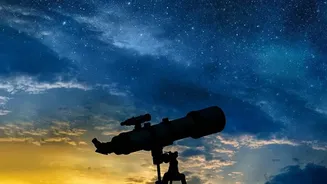
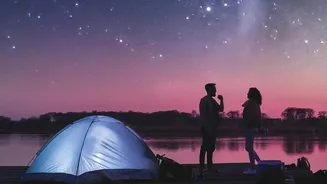
night sky. Located in the remote Changthang region at a breathtaking altitude of 4,500 metres, Hanle is home to the Indian Astronomical Observatory, one of the highest in the world. The thin, dry air and minimal human settlement mean the visibility is extraordinary. On a clear, moonless night, the Milky Way is so bright it can cast a faint shadow. While visiting this high-altitude desert requires careful planning, including permits and acclimatisation, the reward is an unparalleled view of the cosmos. Local homestays, with villagers trained as astronomy guides, offer telescope sessions for an immersive celestial experience.
Spiti Valley, Himachal Pradesh: A High-Altitude Desert Canvas
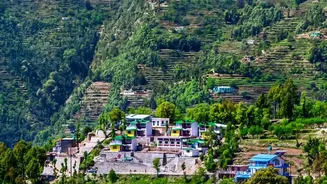
Spiti Valley offers a celestial experience that rivals Ladakh but is often more accessible. This cold desert, situated in the rain shadow of the Himalayas, boasts exceptionally clear and dry skies, especially between May and October. Villages like Kibber, Komic, and Langza are perched at high altitudes with virtually no light pollution, making them perfect bases for night-sky viewing. The sight of the Milky Way arching over ancient monasteries like Key Monastery is a photographer's dream. For the best experience, plan your trip around the new moon, when the sky is at its darkest. While winter brings the sharpest skies, the frigid temperatures and road closures make the post-monsoon months of September and October the ideal balance of clarity and accessibility.
Coorg, Karnataka: Stargazing in the Western Ghats
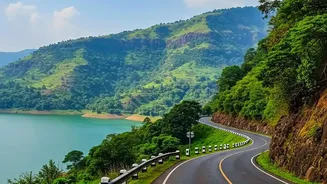
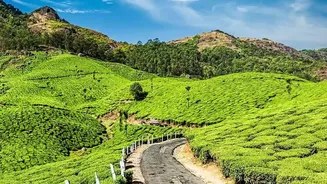
You don't need to venture into the high Himalayas for a stellar show. Nestled in the Western Ghats, Coorg offers a lush, green alternative for sky-watchers. Its high elevation and low population density in certain areas create pockets of darkness perfect for astronomy. The district is home to the Starscapes Observatory, which offers guided sessions with powerful telescopes, making the cosmos accessible even to beginners. For a more rustic experience, head towards the region's highest peak, Tadiandamol, or the southern valleys bordering the Brahmagiri Wildlife Sanctuary, which are known for their exceptionally dark skies. The best viewing season is from November to May, when the weather is dry and cloud-free. Viewing the southern constellations from the fragrant coffee plantations is a unique and tranquil experience.
Rann of Kutch, Gujarat: An Endless Horizon of Stars
The Great Rann of Kutch transforms into a celestial theatre after sunset. This vast salt desert offers a completely flat, unobstructed 180-degree horizon, creating a profound sense of connection with the sky. Its remote location means there is virtually zero light pollution, allowing even faint stars to shine brightly. The best time to visit is during the Rann Utsav festival, typically held from November to March, when the skies are clear and dry. Travellers can choose between a new moon night for a brilliant, star-filled sky or a full moon night to witness the white desert glow under a silvery light. Many desert camps offer dedicated stargazing sessions, often guided by local experts.
Neil Island, Andaman and Nicobar: A Tropical Celestial Escape
For a truly unique setting, the Andaman and Nicobar Islands provide a tropical paradise for stargazing. Neil Island (Shaheed Dweep), being less commercialised than its neighbours, has minimal light pollution, offering clear views of the cosmos from its serene beaches. The best time for this celestial experience is during the dry season, from November to April. Imagine lying on a quiet beach like Laxmanpur or Sitapur, with the sound of gentle waves as your soundtrack, while you watch the Milky Way rise over the Indian Ocean. Several operators on the island offer guided stargazing sessions with telescopes, making it an accessible and magical addition to any Andaman itinerary.