





A Landing in a Mountain Bowl
Your journey to the 'rooftop of the world' begins with one of the most spectacular aerial approaches imaginable. Flying into Kushok Bakula Rimpochee Airport (IXL), perched at 10,682 feet, feels like being swallowed by the Himalayas. The plane navigates
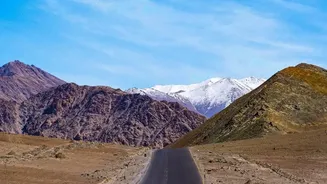
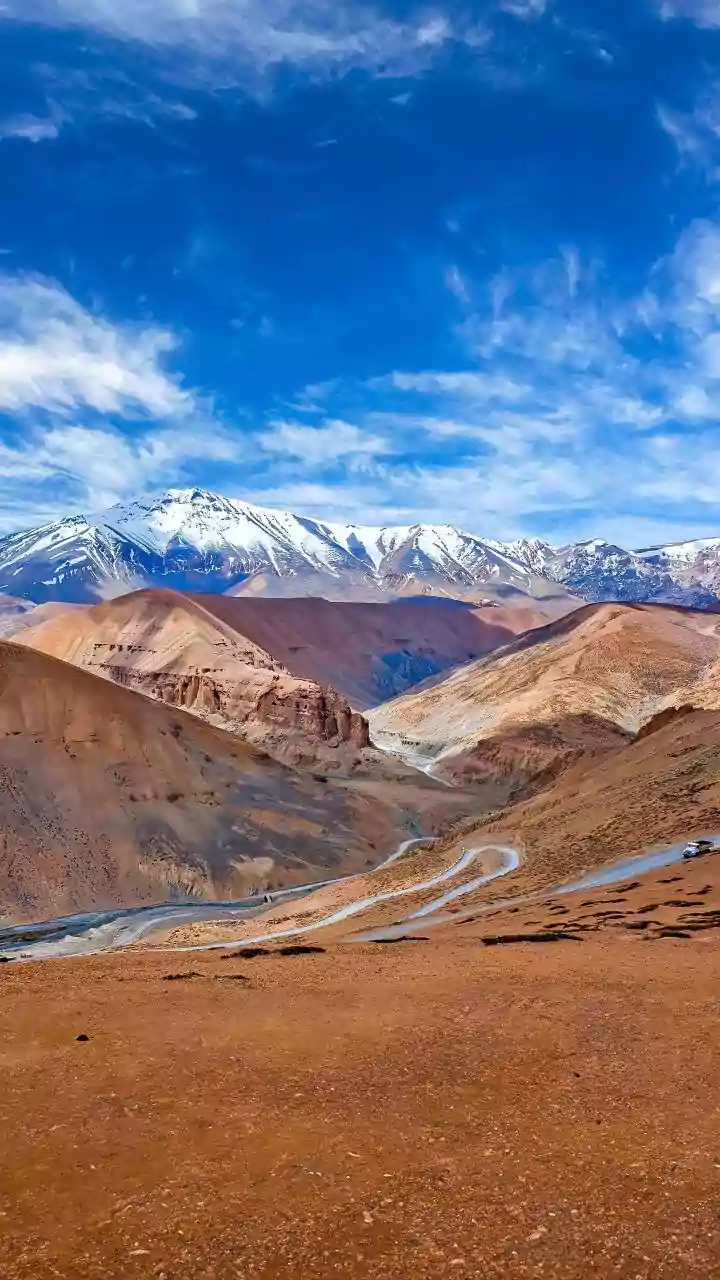
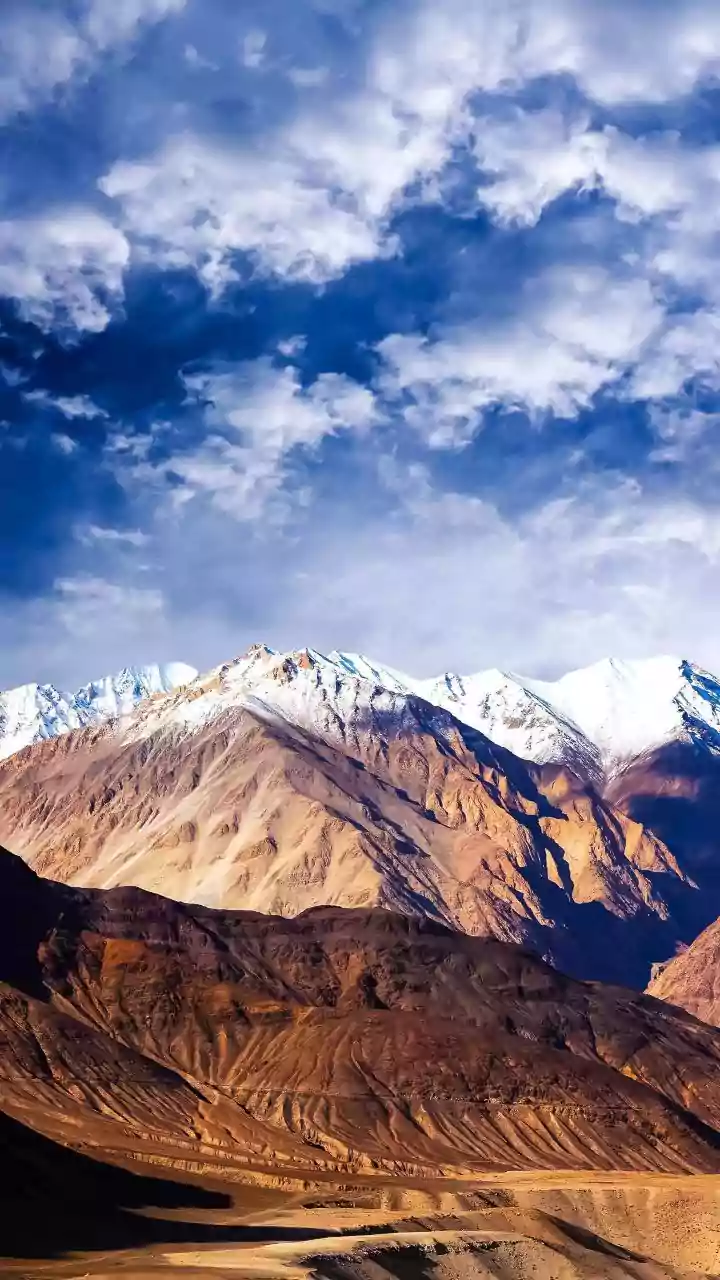
a narrow valley, with mountains soaring on either side, making for a visually stunning and slightly nerve-wracking experience for passengers with a window seat. The airport itself is nestled in what can only be described as a mountain bowl, a geographical feature that dictates everything from the flight path to the time of day you can land. It's a fittingly dramatic welcome to the stark beauty of Ladakh.
The Pilot's High-Stakes Challenge
While passengers are captivated by the view, the pilots are engaged in one of aviation's most demanding procedures. At this altitude, the air is significantly thinner. This has two major effects: engines produce less thrust, and the wings generate less lift. To compensate, aircraft must approach and land at a much higher ground speed than at sea-level airports. Furthermore, the mountainous terrain makes a standard, straight-in landing impossible. Pilots must perform a visual approach, navigating through a specific, winding corridor between peaks. The runway is unidirectional for commercial flights—landings are only permitted on one end (Runway 07) and takeoffs from the other (Runway 25), due to rising terrain. There's also little room for error; after a certain point in the valley approach, a 'go-around' or aborted landing becomes extremely difficult. This is why only specially trained and certified crews are permitted to fly into Leh.
A Race Against the Wind
There's a reason almost all flights to Leh arrive and depart in a narrow morning window, typically before noon. As the sun climbs higher, it heats the mountain slopes, creating strong, unpredictable winds and turbulence in the valley. This turbulent air, combined with the already thin atmosphere, makes afternoon operations unsafe for commercial aircraft. The colder, denser air of the early morning provides better aircraft performance for both takeoff and landing. This strict schedule is a safety mandate enforced by the DGCA, ensuring that planes operate in the most stable conditions possible. If you're flying out of Leh, don't be surprised if your flight is scheduled for 7 a.m.—it’s all part of mastering the mountain environment.
The First Breath and Acclimatization
The unique experience of Leh isn't over once the wheels touch down. The moment the cabin doors open, you'll feel it: the crisp, cold, and noticeably thin air. Your body, accustomed to the oxygen levels of the plains, immediately has to start working harder. This is why the first rule of visiting Ladakh is acclimatization. Health experts strongly advise complete rest for the first 24 to 48 hours after arrival. This means no strenuous activity—not even a brisk walk around the market. Acute Mountain Sickness (AMS), with symptoms like headaches, dizziness, and nausea, can affect anyone regardless of age or fitness level. The best defense is to hydrate generously (3-4 litres of water), eat light, high-carbohydrate meals, and avoid alcohol. This mandatory rest period is an integral part of the Leh arrival experience, forcing you to slow down and begin your adventure at the mountain's pace.