





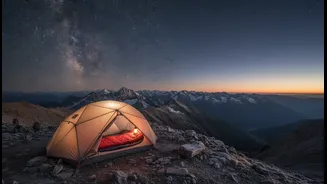


The Challenge of Thin Air
Anyone who has traveled to a high-altitude destination knows the feeling: the air is thinner, your heart beats faster, and even simple tasks can leave you breathless. This is your body's response to lower oxygen levels. As you ascend, the barometric pressure
drops, meaning there are fewer oxygen molecules in each breath you take. This can lead to acute mountain sickness (AMS), a condition with symptoms that can feel like a bad hangover: headache, nausea, fatigue, and dizziness. In severe cases, it can progress to life-threatening conditions. But for most travelers, the challenge is simply giving the body enough time to adjust, a process called acclimatization.
The Golden Rule: Climb High, Sleep Low
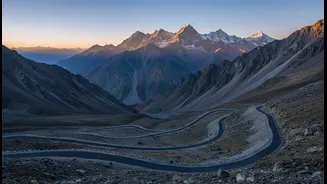
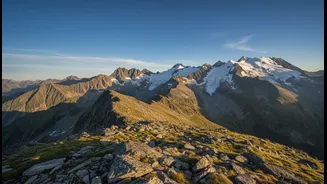
For decades, climbers and mountaineers have lived by a simple maxim: “climb high, sleep low.” This principle is considered one of the most important rules for safe acclimatization. The strategy is straightforward: during the day, you can ascend to a higher altitude, but you must return to a lower elevation to sleep. For example, a trekker might hike up a pass during the day and then descend into a valley for the night. This approach allows your body to experience the stress of a higher altitude, which triggers the acclimatization process, while giving it a better environment to recover in overnight.
The Science of Sleeping Low
The benefits of this strategy are rooted in physiology. When you expose yourself to higher altitudes during the day, the lower oxygen levels stimulate your body to begin adapting. This includes increasing your breathing rate and starting the process of producing more red blood cells to carry oxygen more efficiently. However, sleeping at high altitude is stressful for the body. Sleep quality often declines, with more frequent awakenings and breathing instability as your body struggles with the lack of oxygen. By descending to a lower altitude to sleep, you are giving your body a crucial break. In the more oxygen-rich environment, your body can recover more effectively, your sleep is more restorative, and the risk of developing severe altitude sickness is reduced. This balance of stress and recovery is the key to successful acclimatization.
Planning Your Trip Accordingly
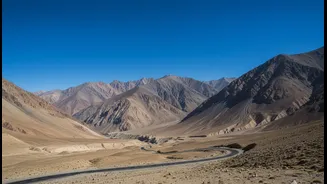
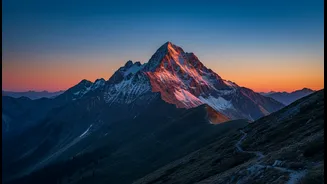
Applying the “climb high, sleep low” principle requires careful planning. If you are flying into a high-altitude city like Cusco, Peru or Leh, India, consider spending your first night or two in a nearby town at a slightly lower elevation. For trekkers, this means planning an itinerary that does not consistently increase your sleeping altitude too quickly. A general guideline is to not increase your sleeping altitude by more than 300 to 500 meters per day once you are above 3,000 meters. You should also incorporate rest days, where you might do a short hike to a higher point before returning to the same camp. This is particularly important on major expeditions, where climbers do multiple “rotations” up and down the mountain to acclimatize before a summit attempt.
More Than Just Altitude
While sleeping at a lower altitude is a cornerstone of acclimatization, it works best in conjunction with other sensible practices. Staying well-hydrated is crucial, as your body loses more fluid at altitude; aim to drink at least three to four liters of water per day. A high-carbohydrate diet can also help, as carbs require less oxygen to metabolize. It's also vital to take it easy and avoid over-exertion for the first few days at a new elevation. Finally, avoid alcohol, tobacco, and sleeping pills, as they can suppress your breathing and worsen the effects of altitude.