



The Collector’s Conundrum
You love your mementos. Each one—a colourful textile from a bustling market, a small carving from a quiet artisan shop, a handful of shells from a memorable beach—tells a story. But in a compact apartment or a cosy house, flat surfaces are prime real
estate. What begins as a meaningful display on a mantelpiece or bookshelf can soon expand, making rooms feel crowded and visually busy. The joy of the collection gets lost in the clutter, and instead of appreciating each piece, your eyes glaze over the jumble. This is the collector's dilemma: the desire to remember and display versus the need for breathing room and organised living space.
Embrace the Art of Rotation
The solution is not to stop collecting, but to start curating. Think of your home as a personal gallery and yourself as the curator. Galleries and museums don't display their entire collection at once; they rotate exhibits to keep them fresh and engaging. Applying this “First In, First Out” (FIFO) principle, commonly used in food storage, to your decor keeps your space dynamic. By rotating your souvenirs, you give each item its moment in the spotlight. This method not only solves the space issue but also fundamentally changes your relationship with your objects. When an item is only displayed for a season or a few months, its presence feels special again.
How to Curate Your Collection
Getting started is simpler than it sounds. First, gather all your souvenirs and collectibles in one place. This initial step can be eye-opening. Next, sort them into categories. You might group them by trip, by colour, by season, or by type (e.g., textiles, ceramics, prints). This is also a perfect time to declutter. Be honest about which items still bring you joy and which ones you've held onto out of habit. Once you have your curated groups, select one to be your “current exhibit.” Designate a specific spot for it—a floating shelf, a tray on a coffee table, or a section of a bookcase. This designated zone prevents the display from sprawling and keeps it looking intentional.
Smart Storage for Off-Duty Items
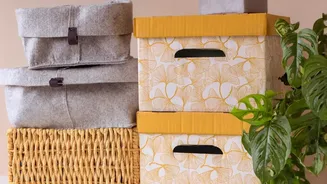
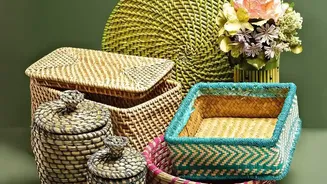
The most common question about rotation is what to do with the items that aren't on display. The key is organised, accessible storage. Clear plastic bins are an excellent choice because they protect items from dust while allowing you to see what's inside at a glance. Label each bin clearly with its category (e.g., “Summer Beach Finds,” “European City Trip”). For fragile pieces, use padding or wrap them individually. If you're short on closet space, consider under-bed storage containers or even a small, dedicated cabinet. The goal is to make swapping your collections a smooth and easy process, not a stressful hunt through disorganised boxes.
Rediscover Joy and Tell New Stories
The benefits of rotating souvenirs extend beyond just saving space. Psychologically, it allows you to re-engage with your memories. Opening a storage bin of items from a past trip can feel like a mini-vacation, bringing back a flood of positive emotions and stories. It also keeps your home feeling alive and evolving. A new arrangement of objects can shift the entire mood of a room, making it feel refreshed without buying anything new. It provides a simple, satisfying way to express yourself and your history. Your home becomes a living scrapbook, with each rotation turning a new page and telling a different chapter of your life's adventures.