




What Is Sorghum Flour?
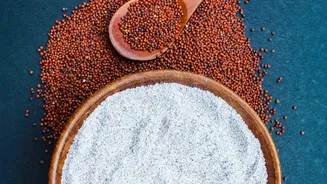
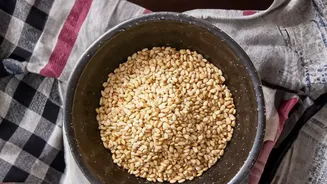
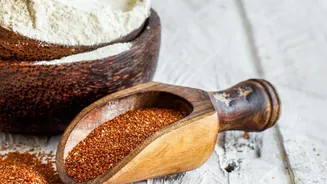
Sorghum flour, known in India as jowar, is a finely ground powder made from the whole grain of the sorghum plant. This ancient grain has been a staple food in parts of Africa and Asia for thousands of years, used in everything from flatbreads to cakes.
As a member of the grass family, it is naturally gluten-free, making it a safe and increasingly popular choice for those with celiac disease or gluten sensitivity. While it has long been a component in many pre-made gluten-free flour blends, 100% whole-grain sorghum flour is gaining recognition as a standout ingredient on its own.
A Mild Flavour and Smooth Texture
One of the biggest challenges in gluten-free baking is overcoming the strong, sometimes bitter flavours or gritty textures of certain alternative flours. This is where sorghum flour truly shines. It has a mild, slightly sweet, and sometimes nutty taste that doesn't overpower other ingredients. Some compare its flavour profile to a sweeter version of whole wheat flour. Its texture is soft, fine, and powdery, which helps create a tender crumb in baked goods rather than the sandy or dense results that can sometimes occur with other gluten-free options.
A Nutrient-Rich Powerhouse
Beyond its baking properties, sorghum flour offers significant nutritional benefits. It is a good source of plant-based protein and is high in dietary fibre, which aids digestion and helps you feel full longer. The flour is also packed with essential minerals like magnesium, phosphorus, iron, and zinc, along with B vitamins. Furthermore, sorghum is rich in antioxidants, which can help combat inflammation. Its composition allows it to be digested more slowly, preventing the sharp spikes in blood sugar that can come from more refined flours, making it a beneficial choice for many.
Tips for Baking with Sorghum
While sorghum flour is versatile, it behaves differently than wheat flour. Because it lacks gluten, it doesn't have the same binding power. For best results, it is often blended with other gluten-free flours and starches. As a general rule, don't substitute it one-for-one with wheat flour. Instead, start by using it as 15% to 30% of your total flour blend. It pairs well with lighter flours like rice flour and starches such as tapioca or potato starch. To improve structure and moisture, it's recommended to add a binder like xanthan gum and consider an extra egg or a bit more fat than the recipe calls for.
Where Sorghum Flour Excels
So, where should you start? Sorghum flour is exceptionally well-suited for recipes where a tender, delicate texture is desired. Think pancakes, waffles, muffins, cookies, and quick breads. Its slightly sweet flavour also makes it a natural fit for cakes and other desserts, pairing well with vanilla, warm spices, fruits, and nuts. In many parts of the world, it remains a go-to for traditional flatbreads, like Indian jowar roti. Fudgy, dense baked goods like brownies and blondies are also excellent applications, as their structure is less reliant on gluten and the flour's texture contributes to a soft, pleasing bite.