






So, What Exactly Is a Microbite?
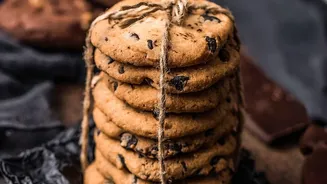
Imagine a cookie. Now, imagine that cookie's core ingredients, like protein and fats, didn't come from a field or a farm, but were grown by specialized microbes. That’s the reality of µBites. Developed by researchers at Southern Illinois University, these
protein-rich cookies were initially conceived as part of a NASA challenge to feed astronauts on long-haul space missions. The project showcases a radical approach to food production by transforming unconventional materials—including agricultural waste and even certain plastics—into edible ingredients. The process involves breaking down these materials and then feeding the resulting molecules to genetically engineered yeasts, which convert them into proteins and fats. These microbially-made ingredients are then mixed with conventional components like fibre and starch and formed into cookies using a 3D printer.
The Science of Microbial Manufacturing
Microbites are a product of a broader technology called microbial fermentation, a process humans have used for thousands of years to make bread, cheese, and beer. However, modern science has elevated this ancient technique into what is now often called 'precision fermentation'. Instead of relying on naturally occurring fermentation, scientists can now program or engineer microorganisms like yeast, bacteria, or fungi to produce specific, complex molecules on demand. Think of these microbes as tiny, programmable factories. By giving them a specific set of genetic instructions, scientists can direct them to consume simple sugars or other feedstocks and output high-value products like proteins, enzymes, vitamins, or flavour compounds. This is the same technology used for decades to produce insulin for diabetics and vegetarian rennet for cheesemaking.
Why This Method Matters
The potential benefits of microbial manufacturing are enormous. Firstly, it offers a path to greater sustainability. Producing protein via fermentation can require significantly less land, water, and energy than traditional animal agriculture, generating far fewer greenhouse gas emissions. Secondly, it enhances food security. By using a variety of feedstocks, including waste materials, it creates a food source that is not dependent on climate or geography. This makes it a potential solution for providing nutrition in disaster zones, remote locations like submarines, or even on future missions to Mars. Furthermore, this technology can improve nutrition by creating proteins that are identical to their animal-derived counterparts but without the associated cholesterol or allergens. It can also be used to produce essential vitamins and other bioactive compounds to fortify foods.
A Glimpse of the Future Food Landscape
Microbial fermentation is part of a larger revolution in food technology, sitting alongside plant-based alternatives and cultivated (cell-grown) meat. While products like Quorn have used a form of microbial fermentation for decades, the 'precision' approach is now enabling a new generation of foods. We are already seeing milk proteins made without cows, honey made without bees, and eggs made without chickens entering the market. These products aren't necessarily meant to replace traditional agriculture entirely but to offer consumers more sustainable, ethical, and diverse choices. The µBites project takes this a step further by demonstrating a circular economy model, turning waste streams into a valuable source of nutrition.
Challenges on the Road Ahead
Despite its promise, the path to your pantry is not without hurdles. One of the biggest is scaling up production to be cost-competitive with conventional products. Another is consumer acceptance. The idea of eating food derived from microbes—let alone from plastic waste—requires a significant psychological shift for many people. Researchers behind µBites are still awaiting institutional approval for formal taste tests, although initial reports on the cookie's aroma are positive. Finally, navigating the regulatory landscape for novel foods is a complex process that ensures safety and transparency for consumers. Rigorous testing is essential to confirm that these new ingredients are safe, pure, and free of allergens.