




NASA is reshaping its historic Artemis program, aiming to land astronauts on the Moon by 2028. This accelerated push involves a complex new precursor mission and a high-stakes competition between private space giants to build the vehicle that gets us there.
A New Plan: Test in Earth Orbit First
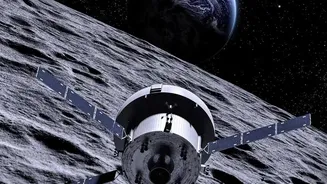
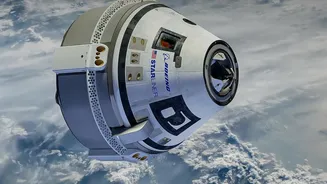
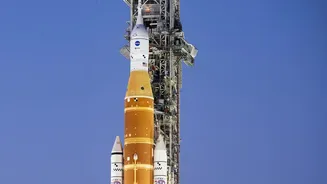
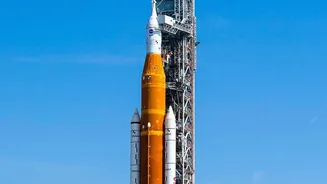
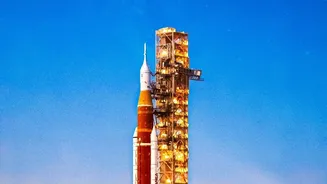
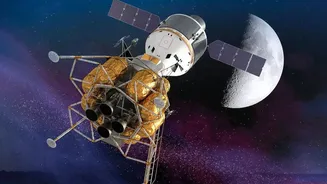
The core of NASA's accelerated strategy is a major change to the Artemis III mission, now slated for 2027. Instead of going directly to the Moon, four astronauts will conduct a dress rehearsal in low-Earth orbit. This 14-day mission is an audacious test flight designed to reduce risk before the actual lunar attempt. It will involve the coordinated launch of three of the world's most powerful rockets: NASA's Space Launch System (SLS) carrying the Orion crew capsule, Blue Origin's New Glenn, and SpaceX's Super Heavy-Starship. The crew will rendezvous and dock with test versions of both the Blue Origin 'Blue Moon' lander and the SpaceX Starship, practicing procedures and testing systems close to home.
The Real Moonshot: Artemis IV in 2028
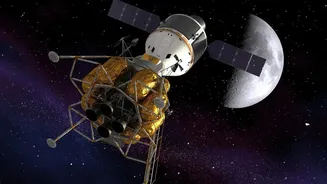
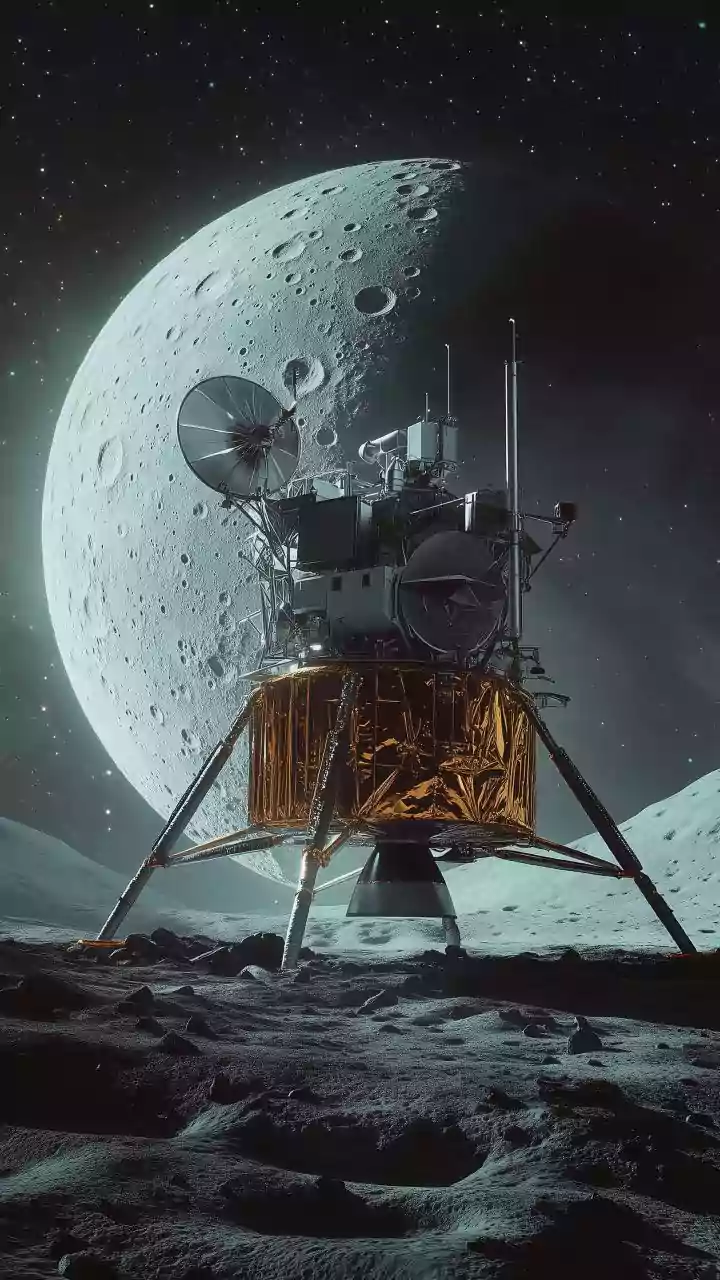
With the orbital tests complete, the first human lunar landing in over 50 years is now targeted for the Artemis IV mission in early 2028. This mission will mark the definitive return of astronauts to the lunar surface. A key part of the new strategy is maintaining competition between its commercial partners. NASA will wait as long as possible before choosing whether SpaceX's Starship HLS or Blue Origin's Blue Moon lander will perform the historic landing. This dual-path approach is intended to provide flexibility and a backup plan should one company encounter significant delays. In fact, officials have stated that both providers are planning for potential lunar landing missions in 2028, increasing the odds of success.
Why the Change in Strategy?
This revised plan is a direct response to the immense technical challenges and potential delays associated with developing the human landing systems (HLS). Initially, Artemis III was meant to be the lunar landing mission itself. However, NASA leadership opted to repurpose it as an orbital test to wring out risks with the unproven landers in a safer environment. NASA Administrator Jared Isaacman has also framed the acceleration in the context of a new space race, noting that China is aiming to land its own astronauts on the Moon by 2030. By streamlining the architecture and focusing on this crucial orbital shakedown, NASA aims to build momentum and increase the cadence of its missions.
The Hardware for the High Frontier
The entire program relies on a new generation of powerful spacecraft. The crew will travel in the Orion capsule, launched by the giant SLS rocket. The stars of the show, however, are the competing landers. SpaceX's Starship is a massive, fully reusable spacecraft that will require in_orbit refuelling from 'tanker' Starships before it can journey to the Moon. Blue Origin's Blue Moon lander is a more traditional, multi_stage vehicle that will be launched by the company's New Glenn rocket. The Artemis III mission in 2027 will be the first time astronauts interact with these vehicles in space, testing everything from life support to docking controls.
A Global Effort with High Stakes
While NASA leads the charge, the Artemis program is an international collaboration. The Artemis III crew, for instance, includes ESA (European Space Agency) astronaut Luca Parmitano alongside three NASA astronauts. The program is built around the Artemis Accords, a set of principles for peaceful lunar exploration that India and many other nations have signed. A successful American return to the Moon is seen as a critical step in establishing a long_term, sustainable human presence there, including a future moon base. However, the timeline remains extremely ambitious, with oversight panels and external experts expressing skepticism about hitting the 2028 landing date given the complexity.