



The South Indian Classic: Rava Upma
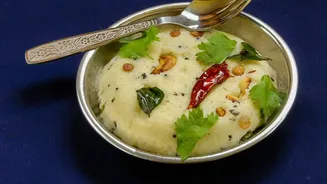
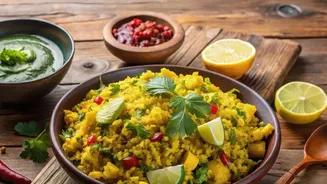
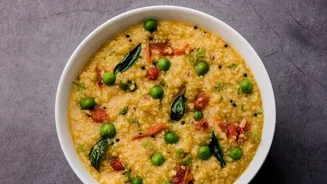
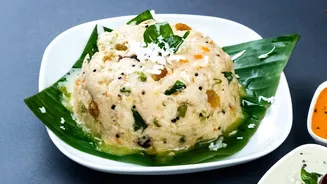
This is the version most people recognise as upma. Hailing from South India, its primary ingredient is coarse roasted rava, or semolina (suji). The preparation is straightforward: a tempering of mustard seeds, urad dal, and chana dal sizzles in oil or ghee,
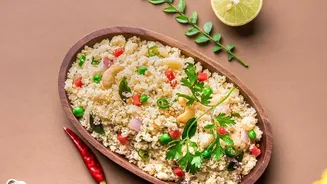
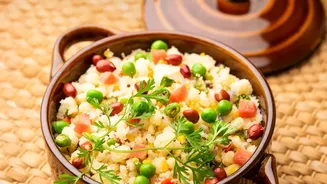
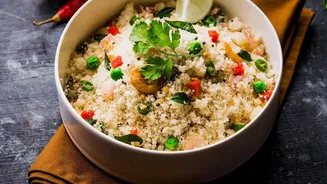
followed by sautéed onions, ginger, and green chillies. Carrots, peas, and green beans are common vegetable additions, adding colour and nutrition. The key to a perfect rava upma is the water-to-rava ratio, which determines whether the final texture is fluffy or porridge-like. A final squeeze of lemon juice and a garnish of fresh coriander brighten the savoury flavours.
The Noodle-like Alternative: Semiya Upma
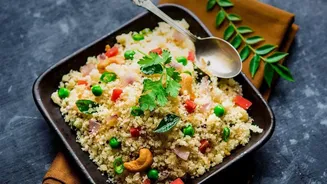
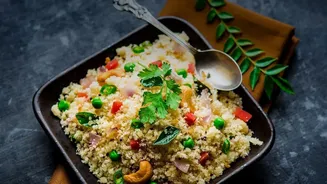
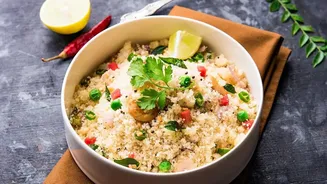
Semiya, or vermicelli, offers a delightful textural alternative to granular rava. Made from wheat, these thin noodles are cooked in a similar fashion to rava upma, often featuring the same tempering spices and vegetable combinations. The result is a dish that feels lighter, with distinct strands rather than a soft mash. Semiya Upma is a popular choice across India, not just the South, for a quick and satisfying meal. While calorically similar to the rava version, the difference is primarily in texture and the mouthfeel of the vermicelli.
The Fasting Favourite: Sabudana Upma
Popular in Maharashtra, especially during fasting periods like Navratri, Sabudana Upma (or Khichdi) is in a category of its own. It uses sabudana (tapioca pearls) as its base, which, after soaking, turns into soft, chewy spheres. Instead of a wide array of vegetables, the focus here is on boiled and diced potatoes, roasted peanuts for crunch, and a simple tempering of cumin seeds, green chillies, and curry leaves. It is naturally gluten-free and provides a significant amount of carbohydrates for instant energy, making it an ideal food for breaking a fast.
The Healthy Twist: Millet Upma
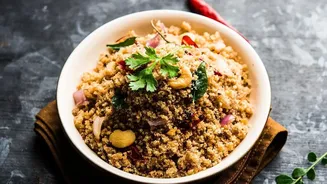
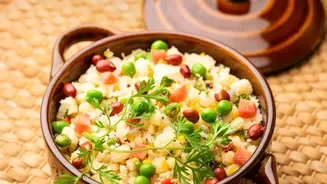
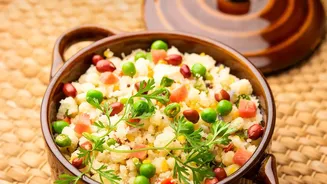
As health consciousness grows, millets have entered the upma scene as a nutritious substitute for semolina. Grains like foxtail millet, barnyard millet, and proso millet are used to create a version that is high in fibre, protein, and naturally gluten-free. Millet upma has a slightly nuttier flavour and a texture that can vary from fluffy to dense depending on the type of millet used. It pairs wonderfully with a mix of vegetables, absorbing the flavours of the spices well. This variation offers sustained energy release, making it an excellent choice for a filling and healthy start to the day.
The Resourceful Snack: Bread Upma
A genius way to use up leftover or slightly stale bread, Bread Upma is a quick and flavourful snack popular across different regions. Bite-sized pieces of bread are tossed in a spicy and tangy masala base made with onions, tomatoes, turmeric, and chilli powder. Unlike other upmas, this one doesn't require precise water ratios and comes together in minutes. It can be made with any type of bread, from white sandwich bread to pav or multigrain slices. The bread soaks up the spices, resulting in a soft, savoury, and immensely satisfying dish.
The Grain Medley: Other Notable Variations
The adaptability of upma means the list of grains is ever-expanding. Broken wheat (dalia) creates a hearty, rustic upma with a chewy texture and nutty flavour. Oats Upma is another modern health-focused take, where quick-cooking oats are used for a faster, porridge-like consistency that is rich in fibre. Some regional recipes even use rice flour (arisi upma) or poha (aval upma), each bringing its own distinct character to this beloved dish. The vegetable additions are just as varied, with some preparations including tomatoes, capsicum, or even sweet corn for added flavour and texture.