
What Exactly Is Seed Cycling?
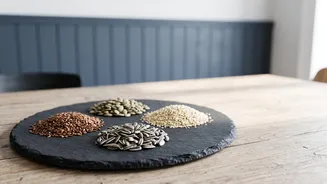
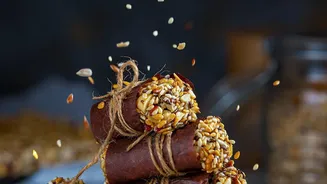
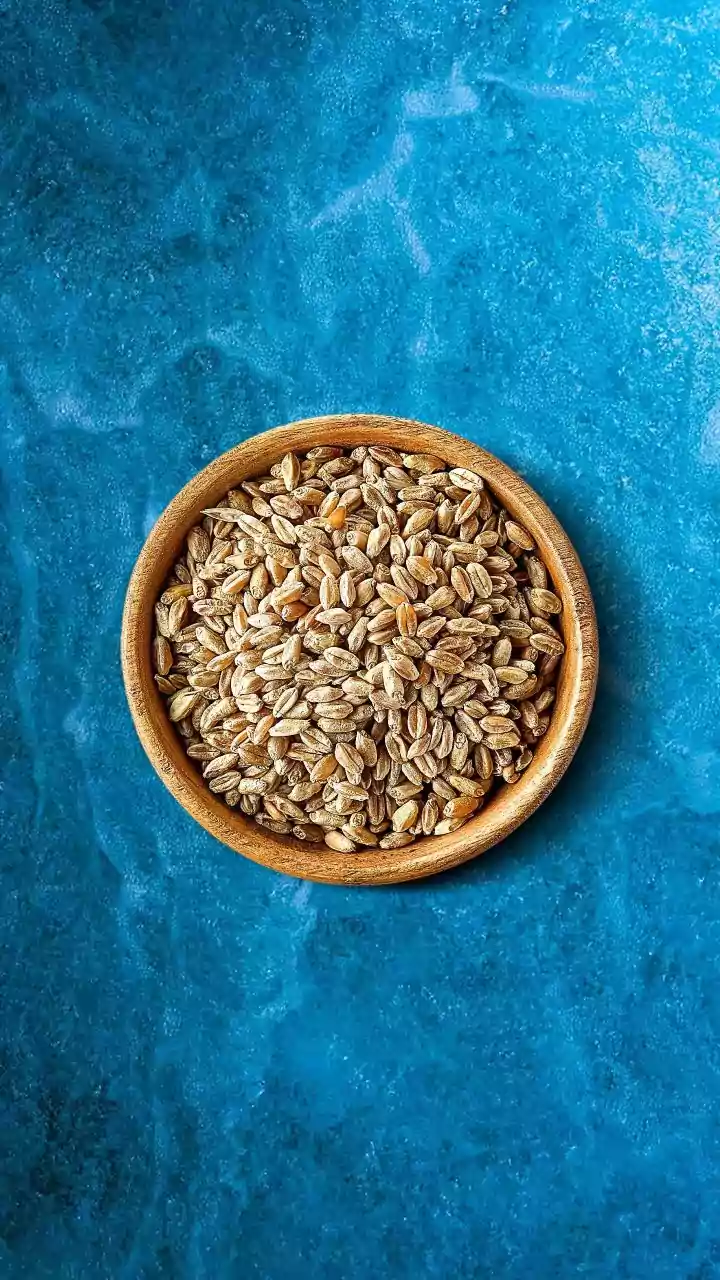
Seed cycling is a dietary practice where you consume four specific types of seeds—flax, pumpkin, sesame, and sunflower—in a rotation that aligns with the two main phases of your menstrual cycle. The goal is to provide your body with nutrients that are
thought to gently support the primary hormones of each phase: estrogen in the first half and progesterone in the second. Proponents believe this practice can help regulate periods, reduce PMS symptoms, and support overall hormonal harmony. The regimen has been used in naturopathic medicine for decades but has recently gained widespread attention through the wellness community.
Understanding Your Cycle's Two Phases
To understand seed cycling, you first need to know the two main phases of the menstrual cycle. The follicular phase starts on day one of your period and lasts until ovulation, typically around day 14. During this time, estrogen is the dominant hormone, responsible for building up the uterine lining. The second half is the luteal phase, which runs from ovulation until your next period begins (around days 15-28). In this phase, progesterone levels rise to prepare the body for a potential pregnancy. Seed cycling syncs its seed rotation with these hormonal shifts.
Phase 1: The Follicular Phase (Days 1–14)
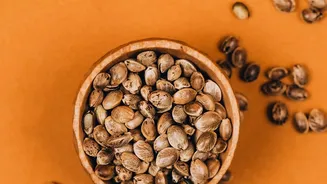
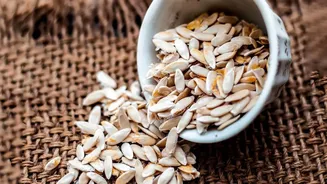
During the first half of your cycle, from the first day of your period until you ovulate, the protocol calls for one to two tablespoons each of freshly ground flax and pumpkin seeds daily. The theory is that the nutrients in these seeds support healthy estrogen levels. Flax seeds are rich in lignans, which are phytoestrogens (plant compounds) that can help modulate estrogen in the body. Pumpkin seeds are a great source of zinc, a mineral thought to support hormone production and prepare the body for the next phase. Both seeds also provide omega-3 fatty acids, which are beneficial for overall health.
Phase 2: The Luteal Phase (Days 15–28)
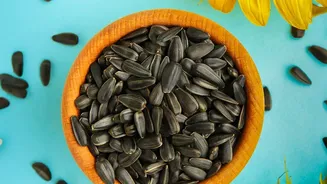
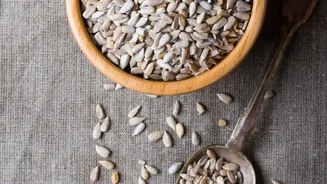
Once you ovulate, around day 15, you switch to the second set of seeds. During the luteal phase, the focus shifts to supporting progesterone production. The recommendation is to consume one to two tablespoons each of ground sesame and sunflower seeds daily. Sesame seeds contain zinc and lignans, which are thought to support progesterone levels while preventing estrogen from becoming too dominant. Sunflower seeds are high in vitamin E, another nutrient believed to play a role in progesterone production, and selenium, which helps the liver process hormones.
But Does Science Back It Up?
Here's where it gets complicated. Currently, there are no large-scale clinical trials that prove seed cycling as a combined practice directly balances hormones or resolves menstrual issues. Most of the support for it is anecdotal, coming from individuals and holistic practitioners who have seen positive results. However, a 2025 systematic review of smaller studies suggested that the practice may be associated with improved menstrual regularity and reduced PMS symptoms, though it called for more robust research. While the overall protocol lacks definitive scientific backing, the individual seeds themselves are undeniably nutritious. They are packed with healthy fats, fibre, vitamins, and minerals that support overall health, which may indirectly contribute to feeling better.
A Low-Risk Nutritional Boost
Given that the practice involves eating highly nutritious foods, trying seed cycling is generally considered low-risk for most people, unless you have a seed allergy. The seeds used are rich in fibre, healthy fats like omega-3s, and essential minerals such as magnesium, zinc, and selenium. These nutrients are known to support everything from heart health to digestion. Therefore, even if the direct hormonal effects aren't fully proven, incorporating these seeds into your diet can be a positive step for your overall nutrition. Think of it as a gentle, food-first approach to supporting your body's natural rhythms rather than a guaranteed cure for hormonal problems.