



Decoding the TasteAtlas List
TasteAtlas, an online encyclopedia of global foods, compiles its annual rankings based on tens of thousands of user ratings for dishes, ingredients, and beverages. The final score for each country is an average of the ratings for its most popular and best-rated
items. For the 2025/26 awards, Indian cuisine received a score of 4.43 out of 5, placing it just outside the top ten, which was dominated by European and other Asian cuisines like Italian, Greek, and Japanese. The methodology attempts to filter out biased or 'nationalistic' voting to create a more authentic reflection of global tastes, but like any popularity contest, it often sparks debate.
The Undisputed Stars of the Show
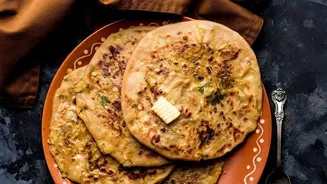
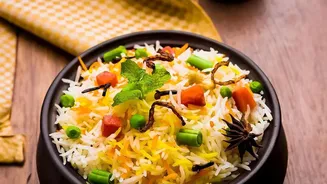
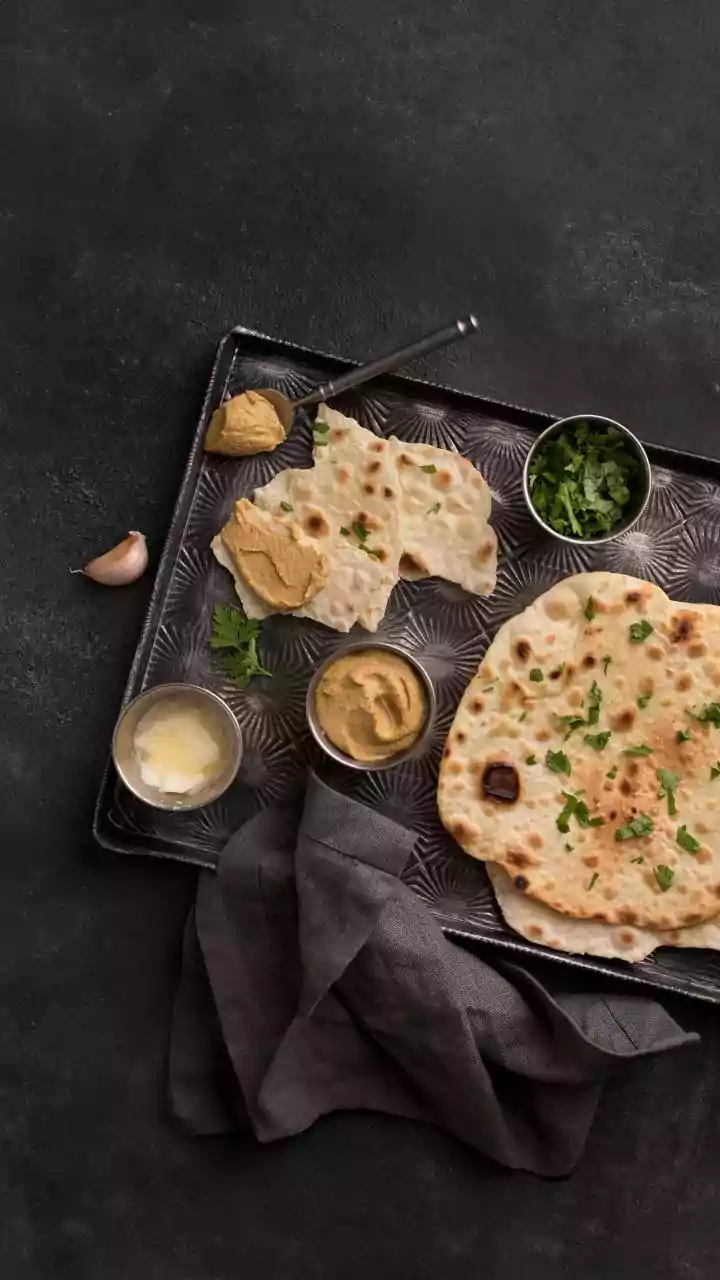
So which dishes carried India to its 13th-place finish? Unsurprisingly, it was a lineup of beloved classics that have already won hearts worldwide. Breads, in particular, were a huge hit, with Butter Garlic Naan and Amritsari Kulcha receiving stellar ratings. These were closely followed by comfort food champions like Murgh Makhani (Butter Chicken) and the iconic Hyderabadi Biryani. The spice blend Garam Masala also received a special mention, highlighting that it's not just the final dishes but also the foundational flavours that are gaining global appreciation. These high-performing foods confirm what many already know: India's most approachable and well-known dishes travel exceptionally well.
The Problem with 'Best Of' Lists
While a 13th-place finish is respectable, many in India and abroad question the very premise of ranking something as diverse as a national cuisine. How can a single number capture the incredible variety from the street food of Maharashtra to the subtle seafood traditions of Kerala? These lists often have an inherent bias towards dishes that are already internationally famous, meaning countless regional gems are overlooked. Critics argue that such rankings can be skewed by a user base that may not have experienced the full depth of a country's food culture. A ranking is a snapshot of popularity, not a definitive measure of quality or cultural significance.
Beyond the Rankings: A Story of Regions
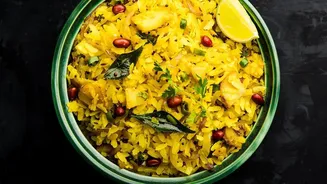
A more interesting takeaway from the data might be the recognition of India's regional culinary strengths. The TasteAtlas list also highlighted specific food regions, with Southern India, West Bengal, Maharashtra, and Kerala all being noted for their unique contributions. This acknowledgement, even if buried deeper in the results, points to a growing global awareness that 'Indian food' is not a monolith. It is a collection of distinct, complex, and flavourful traditions, from the healthy and balanced meals of the south to the rich gravies of the north. This regional story is arguably more important than any single number in a global list.