


What is the PUFFINS Mission?
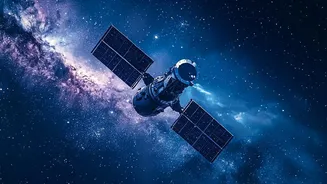
PUFFINS is a nimble and cost-effective space telescope with a very specific job: to study the fine-grained dust floating in the interstellar medium. The name is an acronym for Polarimetry in the Ultraviolet to Find Features in INterStellar dust. Led by
Principal Investigator Dr. Ramya Anche of the University of Arizona, this $20 million mission will use a small satellite, or 'SmallSat', equipped with a 10-inch telescope. Scheduled for launch in 2030, PUFFINS will observe about 70 stars, not to study the stars themselves, but to analyze how their light is changed by the dust it passes through on its way to us. This project is part of a newer NASA initiative designed to conduct high-impact science with smaller, more focused hardware.
Why We Need to Study Space Dust
It might not sound glamorous, but interstellar dust is a critical ingredient in the universe's recipe. These tiny particles, some smaller than a virus at just 50 nanometres, are the raw materials from which stars and planets are built. They play a key role in the chemistry of space, providing surfaces for molecules to meet and react, and they shield developing planetary systems. However, very little is known about the smallest of these dust grains because they are essentially invisible to most optical and infrared telescopes. By understanding their composition, size, and how they behave, scientists can fill a major gap in our knowledge of galactic evolution and the origins of planetary systems like our own.
The Science of Polarimetry
The mission's key technique is called ultraviolet (UV) spectropolarimetry. Light travels in waves, and polarization describes the direction in which these waves vibrate. As starlight travels through clouds of interstellar dust, some of these tiny grains act like microscopic compass needles, aligning with the galaxy's magnetic field. This alignment leaves a unique fingerprint on the light's polarization. By measuring this effect across the UV spectrum, a technique that hasn't been used in space for nearly three decades, PUFFINS can deduce the properties of the dust. Previous missions have only gathered this kind of data from about 30 stars; PUFFINS aims to at least triple that number, providing a much richer dataset for scientists.
The Power of the Pioneers Program
PUFFINS is part of NASA’s Astrophysics Pioneers program, which was started in 2020. The goal of this program is to support compelling astrophysics investigations using smaller, more affordable hardware like SmallSats, scientific balloons, and payloads attached to the International Space Station. With a cost cap of around $20 million, these missions are designed to be agile, innovative, and fill specific scientific niches that larger, more complex flagship missions might not cover. The Pioneers program also provides crucial hands-on opportunities for early-career researchers to gain experience in designing, building, and operating space missions. It represents a strategic shift toward faster, more frequent, and highly targeted scientific exploration.
A Small Satellite with Big Ambitions
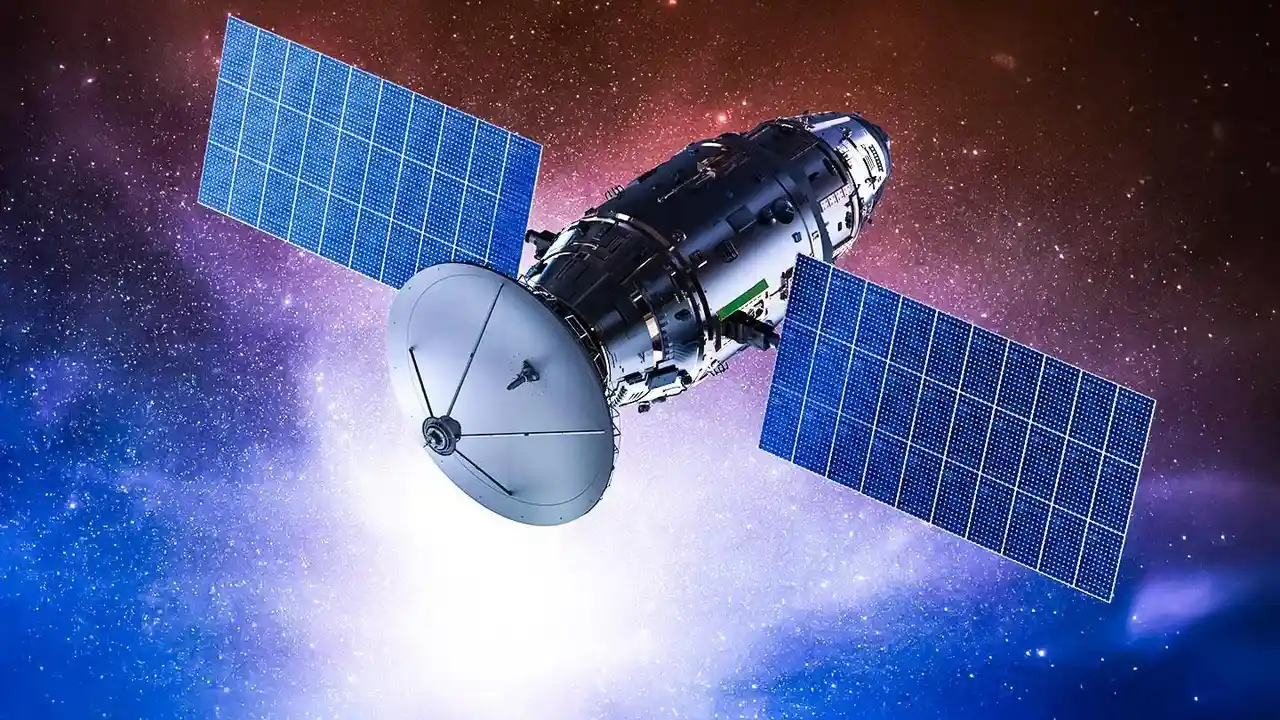
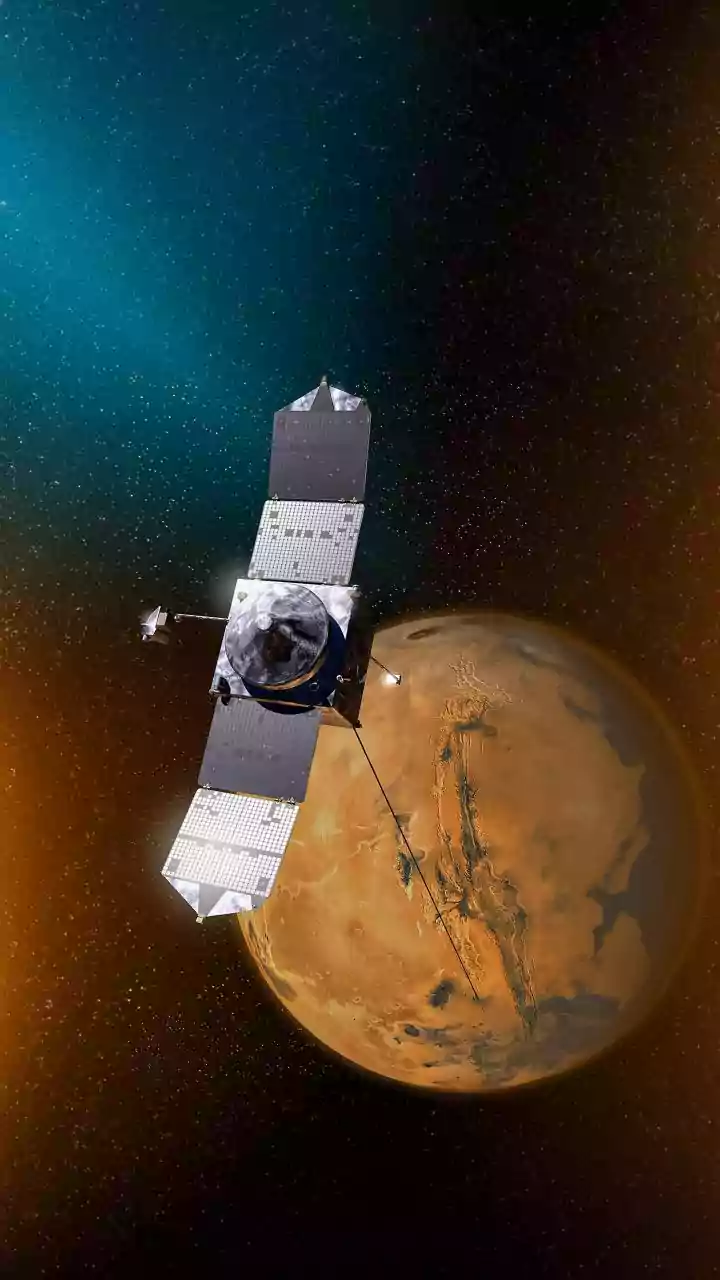
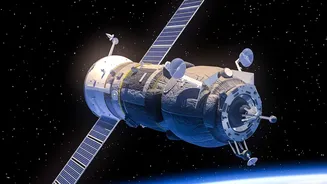
The use of a SmallSat is central to the PUFFINS mission's strategy. These compact, lunchbox-to-refrigerator-sized satellites are cheaper and faster to develop and launch than their larger counterparts. This allows for more risk-tolerant and focused science. For PUFFINS, the SmallSat will orbit in low-Earth orbit, carrying its specialized telescope and spectropolarimeter. The mission is a collaborative effort involving the University of Arizona, McDonald Observatory, and researchers from institutions around the world, including India's Inter-University Centre for Astronomy and Astrophysics (IUCAA) and the Indian Institute of Astrophysics (IIA). The data gathered will also help inform the development of future flagship missions, like the planned Habitable Worlds Observatory.