



A Once-in-a-Dozen-Years Spectacle
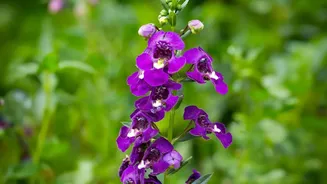
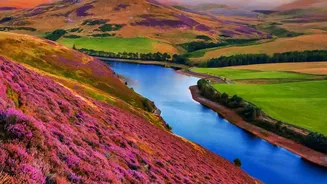
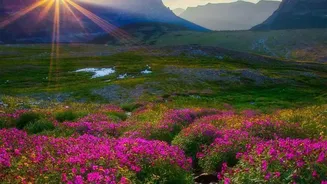
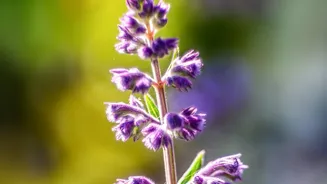
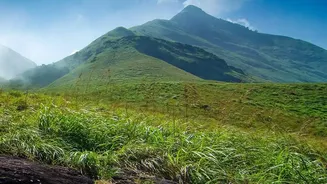
The Neelakurinji, or Strobilanthes kunthiana, is a shrub endemic to the high-altitude Shola grasslands of the Western Ghats. Its claim to fame is a rare, synchronized blooming cycle that occurs just once every 12 years, carpeting entire mountainsides
in a vibrant display. This monocarpic plant flowers once in its lifetime, releases its seeds, and then dies, leaving the next generation to repeat the cycle. This unusual evolutionary strategy is believed to be a defense mechanism, overwhelming seed predators with a sudden abundance. The phenomenon is so integral to the region that the Nilgiri Hills, meaning 'Blue Mountains', are believed to have been named after the flower's stunning bloom. The last major event in 2018 drew hundreds of thousands of visitors, and the next grand flowering is anticipated in 2030.
An Ecosystem Under Pressure
The mass arrival of tourists, however, places immense strain on this fragile ecosystem. The Shola grasslands are not just home to the Neelakurinji but are a biodiversity hotspot, supporting endemic wildlife like the endangered Nilgiri Tahr. Reports following the 2018 bloom highlighted significant challenges, including habitat degradation from visitors trampling the delicate plants, widespread littering with plastics, and immense traffic congestion that paralyzed the hill station of Munnar. Unregulated tourism and infrastructure expansion are fragmenting the Neelakurinji's habitat, disrupting crucial ecological processes like pollination and seed dispersal. The flowers play a vital role, attracting a host of pollinators and enriching the soil as they decay, making their protection essential for the health of the entire grassland ecosystem.
Planning for a Greener Bloom
Learning from past experiences, authorities in Kerala are already planning for the next bloom, focusing on sustainable management. With some localised blooms expected even in 2026 on hills outside protected areas, the urgency is clear. For the 2018 season, the government had planned to limit vehicle access into Munnar, providing shuttle services to viewing points to manage traffic. Similar plans are being enhanced for future events. The district administration has held meetings to coordinate efforts between the Forest Department, tourism councils, and conservation groups. Key strategies being discussed include implementing a carrying-capacity study to determine a sustainable number of visitors, enforcing online booking systems and time slots to manage crowds, and developing mobile apps to guide tourists responsibly. There is a strong emphasis on creating 'No Plastic Zones' and ensuring visitors stick to designated pathways.
The Responsible Visitor's True Role
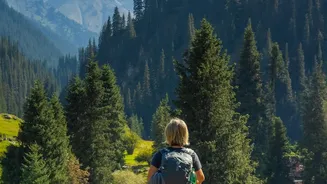
Ultimately, the preservation of the Neelakurinji spectacle depends as much on visitor mindset as it does on official regulations. Experiencing the bloom requires more than just finding a good photo opportunity; it demands a commitment to environmental stewardship. Responsible tourism here means understanding that you are a guest in a delicate, protected environment. Tourists are urged not to pluck the flowers or uproot the plants, which cannot survive outside their high-altitude habitat. Other guidelines include avoiding litter, refraining from smoking, and not disturbing the local wildlife. Choosing to stay with eco-conscious local homestays and contributing to the local economy in a sustainable way further enhances the positive impact. The goal is to leave the hills as pristine as they were found, ensuring future generations can also witness this natural wonder.