





What is FSSAI Proposing?
The Food Safety and Standards Authority of India (FSSAI) has issued a draft amendment that would restrict the use of the term 'paneer' for products not made from milk. If the proposal is finalized, any product where milk fat or milk protein is replaced
by other ingredients, like vegetable oil or starch, can no longer be called 'paneer'. This applies to the product's name, its packaging, and all advertising materials. The proposal is currently open for public and stakeholder feedback for a 60-day period before a final decision is made.
The Rise of 'Analogue' Paneer
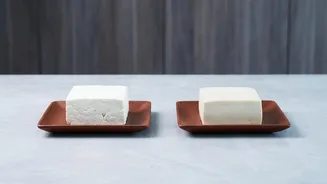
The target of this proposed rule is 'analogue paneer'. Unlike traditional paneer, which is made by curdling milk, analogue versions are engineered products. They often use cheaper ingredients like palm oil, vegetable fats, and starch to mimic the texture and appearance of real paneer. While not illegal if labelled correctly, these products are often sold misleadingly as genuine paneer. This practice has become widespread, with some reports noting that analogue paneer can cost nearly half the price of the authentic dairy product. Several states, including Maharashtra, Karnataka, and Gujarat, have already taken action to ban or restrict the sale of such products.
Why This Change Matters to You
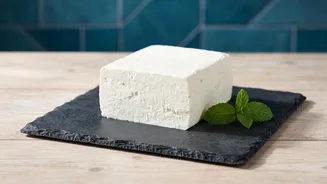
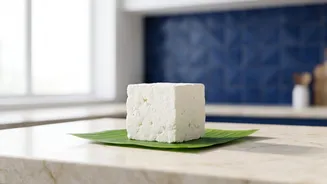
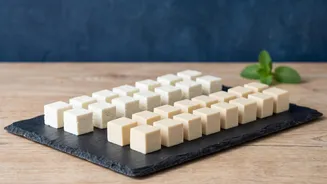
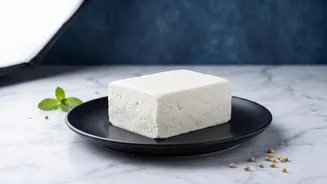
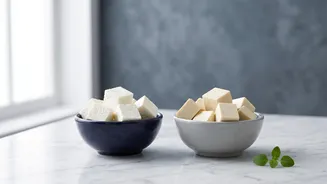
The primary goal of FSSAI's proposal is consumer transparency. When you buy a product labelled 'paneer', the regulator believes you should be getting a product made from milk, a significant source of protein in the Indian diet. Analogue paneer is nutritionally different. It is typically lower in protein and vital nutrients like calcium while being higher in unhealthy fats and carbohydrates. The texture and taste also differ; real paneer is soft and crumbly with a fresh, milky aroma, whereas analogue versions can be rubbery, greasy, or have a synthetic taste.
What You Might See on Shelves
If the rules are passed, you won't see 'paneer' on the labels of these non-milk products anymore. These items fall under the existing FSSAI category of 'Analogue in Dairy Context'. While the exact new naming convention isn't specified, the key is that the word 'paneer' would be prohibited. This clarity will help you distinguish between a milk-based product and a vegetable fat-based substitute at a glance, allowing you to make a more informed choice about what you are buying and eating. The rules would ensure that the name on the label accurately reflects the product's ingredients.
Beyond Packaged Goods
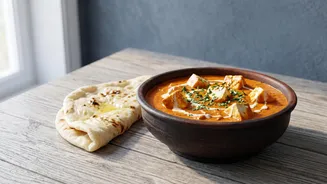
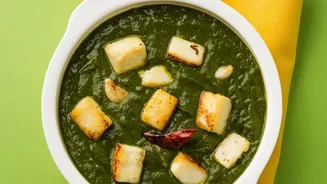
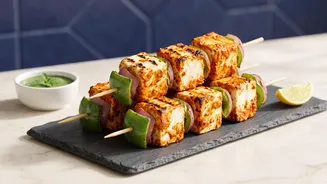
The proposed regulations aren't just for products sold in stores. They would also apply to hotels, restaurants, and caterers. These establishments would be required to clearly disclose if they are using a paneer substitute in their dishes. This information would need to be prominently displayed on menus or display boards, so when you order a paneer tikka or palak paneer, you know exactly what you're getting. This move is part of a broader push by FSSAI to tighten food safety standards and crack down on misleading labelling across various products, including ghee and cheese.