







A Plan of Unprecedented Scale
OpenAI's ambitions for computing power are staggering. The company has reportedly increased its projected infrastructure spending through 2030 to a jaw-dropping $750 billion. This figure, roughly equivalent to the annual GDP of Sweden, highlights the colossal
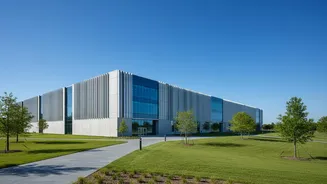
resources now required to stay at the frontier of AI development. The centerpiece of this strategy includes massive new data center projects. One such initiative, codenamed Project Camellia, is a planned data center campus in Georgia, which alone is slated to cost over $30 billion and consume 3.2 gigawatts of power—an amount of electricity that underscores the sheer scale of modern AI. This isn't just an upgrade; it's a fundamental shift from treating computing as a utility to treating it as the central strategic asset in the race to build more powerful AI.
The Engine for Artificial General Intelligence
Why does OpenAI need this much power? The answer lies in its core mission: the creation of Artificial General Intelligence (AGI), or AI systems that are broadly smarter than humans. Training and running successively larger and more complex AI models requires an exponential increase in computational power. CEO Sam Altman has long argued that the path to AGI is paved with massive-scale systems. Each new generation of models, from GPT-4 and beyond, demands more processing for training, while serving these models to millions of users creates a sustained and growing demand for inference workloads. The company's roadmap appears to be based on the premise that significant breakthroughs in AI capability are directly tied to the volume of compute it can access. This monumental investment is therefore a direct bet that building this infrastructure is the most critical step toward achieving their ultimate goal.
From Tenant to Landlord
Historically, OpenAI has relied on leasing computing capacity from cloud providers, most notably its key partner, Microsoft Azure. This allowed it to scale rapidly. However, the new strategy signals a major pivot. By designing and building its own data centers, like Project Camellia in Georgia, OpenAI is moving from being a 'tenant' to a 'landlord' in the compute ecosystem. This shift offers greater control over its infrastructure, allowing it to plan for long-term model development without competing for resources or being dependent on third-party timelines. The headline's mention of 'leasing' also hints at a future where OpenAI might offer its specialized, large-scale AI infrastructure to other companies, potentially creating a new revenue stream and competing with the very cloud giants it once relied upon. This move toward strategic independence is a clear sign of the AI industry's maturation.
Reshaping the Competitive Landscape
This massive build-out has profound implications for the entire tech industry. It puts immense pressure on competitors like Google, Anthropic, and others to secure their own long-term compute resources. The scale of OpenAI's plans, including earlier reports of a $100 billion 'Stargate' supercomputer project with Microsoft, redefines the baseline for what it means to be a leading AI player. While the Microsoft partnership remains crucial, OpenAI is also diversifying by making large-scale compute deals with other providers like Oracle and AWS, totaling hundreds of billions in commitments. This multi-vendor approach is a strategic hedge, but it also raises financial questions. With reported net losses in the tens of billions, there are internal concerns about whether revenue growth can sustain these massive financial commitments if the adoption of its AI products doesn't keep pace.
The Power Problem and Future Hurdles
Building the future of AI is not just about chips and servers; it's increasingly about energy. Securing 3.2 gigawatts for a single campus illustrates that power availability has become the primary bottleneck for AI expansion. OpenAI's 25-year agreement with Georgia Power is a testament to the long-range planning required. However, this demand for power, often generated from fossil fuels like natural gas, raises significant environmental and logistical challenges that will only intensify as the industry scales. Beyond energy, OpenAI faces hurdles in the global supply chain for specialized AI chips, construction timelines, and the sheer cost of capital. The success of this grand vision hinges not just on technological breakthroughs, but on managing an incredibly complex web of industrial, financial, and logistical challenges over the next decade.