





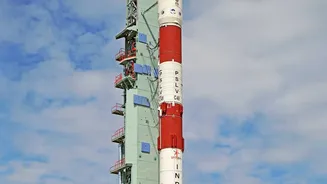
A Landmark Launch for India
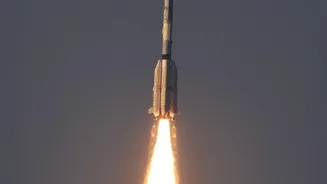
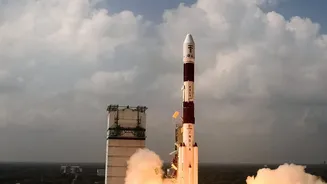
On July 18, 2026, Skyroot Aerospace made history by successfully launching its Vikram-1 rocket, making India only the third country in the world with private orbital launch capability. The mission, dubbed 'Aagaman' (Arrival), saw the multi-stage launch vehicle
lift off from Sriharikota and successfully deploy its payloads into Low Earth Orbit. This wasn't just a win for the Hyderabad-based startup; it was a pivotal moment for the nation's entire space ecosystem, demonstrating that private companies could stand shoulder-to-shoulder with government agencies in the final frontier. The launch signals a new era for commerce, technology, and strategic capability in India.
The Team That Reached for the Stars
Skyroot Aerospace was founded in 2018 by two former scientists from the Indian Space Research Organisation (ISRO), Pawan Kumar Chandana and Naga Bharath Daka. Inspired by a draft bill suggesting the opening of the space sector to private enterprise, they left their stable government jobs to chase a seemingly impossible dream: building and launching rockets privately in India. Their expertise was undeniable, but in a sector that was not yet formally liberalised, their greatest challenge was not rocket science, but convincing someone to fund their vision. That's when they sent a speculative message on LinkedIn to a well-known tech entrepreneur.
The First Believer: Mukesh Bansal
Mukesh Bansal, the founder of Myntra and Curefit (now Cultfit), was an unconventional choice. His background was in fashion e-commerce and health tech, worlds away from orbital mechanics and solid-fuel propulsion. Yet, he saw something in the founders' pitch. Moved by their passion and deep technical knowledge, Bansal decided to take a leap of faith. In 2018, he became Skyroot’s first and, for nearly two years, its only angel investor, injecting over ₹12 crore in initial funding rounds. This was a bold bet, made long before the government officially opened up the space sector in 2020.
A Bet on Vision, Not Just Spreadsheets
Bansal’s investment was more than just capital; it was a foundational endorsement that kept the company alive in its crucial early days. He even provided an additional ₹2 crore during the COVID-19 pandemic to ensure the team could stay together when funds were tight. His decision wasn't based on market comparables or established industry trends, as there were none for private Indian space-tech at the time. Instead, he invested in the founders' vision and their potential to pioneer a new industry. This patient, high-risk capital was instrumental in allowing Skyroot to develop its technology while the regulatory landscape caught up.
From Seed Capital to a 60x Return
Today, Bansal's early conviction has paid off spectacularly. His initial ₹12 crore investment has blossomed into a stake worth over ₹600 crore, and he has already realised more than ₹100 crore through partial stake sales, marking a return of nearly 60 times his original investment. He still holds approximately 6% of the company. But the financial return is only part of the story. Bansal’s success has sent a powerful signal to the investment community, proving that patient capital in deep-tech and frontier industries can generate immense value. It has helped legitimise space-tech as a venture-scale opportunity in India, paving the way for other startups and investors.