





Why Variety Beats a Silver Bullet
Every monsoon, the search for a single miracle ingredient—be it a rare herb or a common spice—begins anew. But the reality is that the challenges of this season, like weaker digestion and a higher risk of infections, can't be solved by one food alone.
During the rains, the humidity can slow down our digestive fire, or 'agni' as it is known in Ayurveda. This makes our system more vulnerable. Relying on just turmeric or ginger isn't enough; the real solution lies in a holistic approach, embracing a variety of foods that work together to support your body. A diverse diet ensures you get a wide range of vitamins, minerals, and antioxidants to bolster your immunity from multiple angles.
Embrace Light, Cooked Vegetables
While leafy greens are nutritional powerhouses, they can be risky during the monsoon as they can harbour microbes from contaminated soil and water. Instead, this is the season for gourds. Vegetables like bottle gourd (lauki), ridge gourd (turai), bitter gourd (karela), and pumpkin are ideal choices. They are light, easy to digest, and full of fibre and essential nutrients. Always opt for cooked vegetables over raw salads. A warm vegetable soup or a simple stir-fry is not only comforting on a rainy day but also much safer and gentler on your digestive system.
Lean on Warming Spices
Spices are the heart of Indian cooking, and they become even more important during the monsoon. Ingredients like ginger, garlic, black pepper, cumin, and turmeric do more than just add flavour. They have anti-inflammatory and antibacterial properties that can help support your immune system. Ginger is particularly effective at aiding digestion, while turmeric is a well-known immunity booster. Incorporating a blend of these spices into your daily meals, such as in dals, soups, and vegetable preparations, helps kindle your digestive fire and protect against seasonal ailments.
Choose Your Proteins Wisely
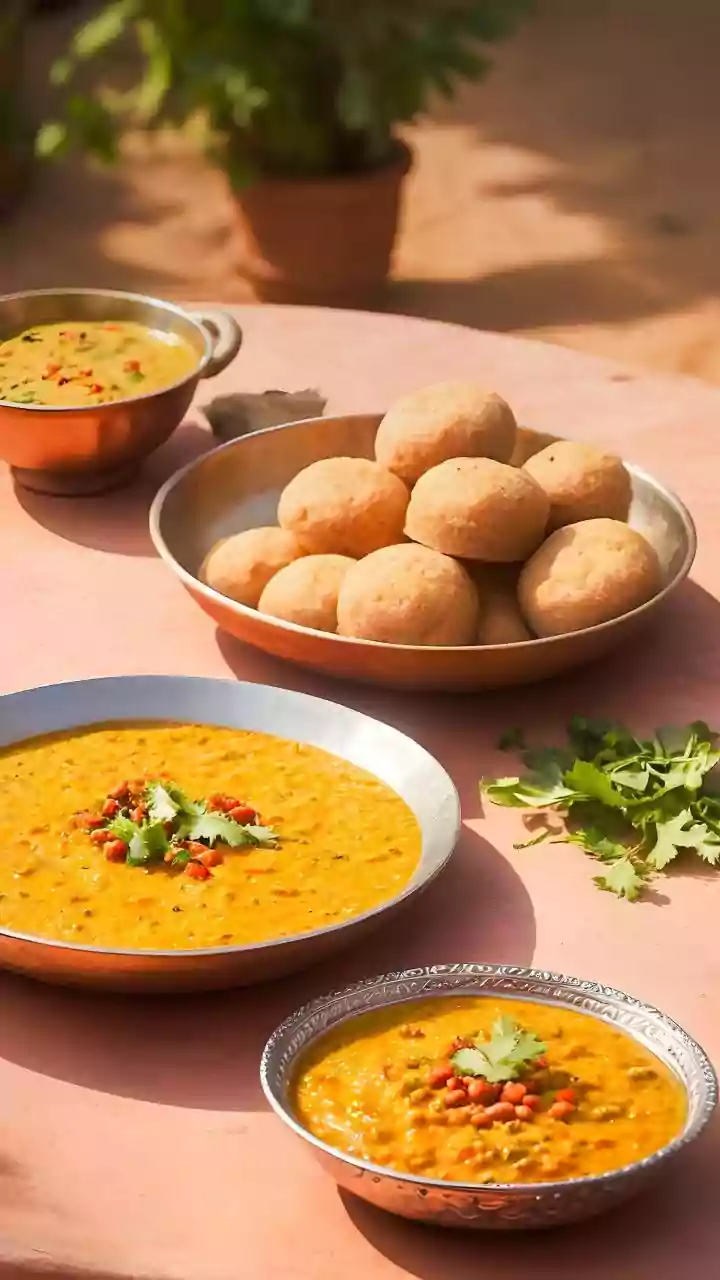
Heavy foods, including rich curries and red meat, can be difficult to digest when your metabolism is naturally slower. The monsoon is a good time to shift towards lighter proteins. Moong dal, in particular, is celebrated as an ideal monsoon food because it is incredibly easy to digest. A simple moong dal khichdi is a complete and comforting meal. Besides lentils, you can include well-cooked chicken and eggs. It's best to avoid or be cautious with seafood, as the monsoon is a breeding season for many fish, and the risk of contamination can be higher.
Hydrate Smartly with Warm Drinks
Staying hydrated is crucial, but chugging cold water and juices might not be the best idea. Cold beverages can further dampen your digestive fire. Instead, opt for warm or boiled water throughout the day. This is also an excellent time to enjoy herbal teas. A cup of tea brewed with tulsi, ginger, lemongrass, or mint can be incredibly soothing and beneficial. These herbal infusions not only keep you warm and hydrated but also come with properties that help fight common monsoon infections like coughs and colds.
Power Up with Probiotics and Fruits
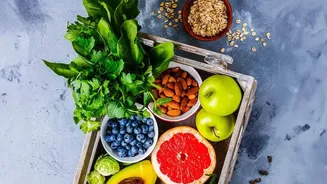
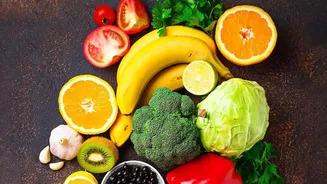
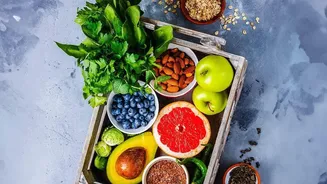
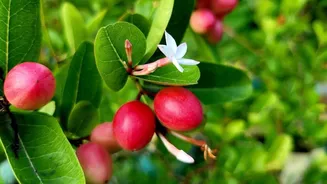
Gut health is the foundation of good immunity. Including probiotics in your diet can help maintain a healthy balance of gut bacteria. Fresh, homemade curd and buttermilk (chaas) are excellent choices, but Ayurveda suggests having them during the day rather than at night. When it comes to fruits, choose seasonal options like jamun, pomegranates, apples, and pears. These are packed with antioxidants that strengthen your body's defences. It's advisable to avoid pre-cut fruits from street vendors and to wash all fruits thoroughly before eating to minimise the risk of infection.