


The Price of Liquid Gold
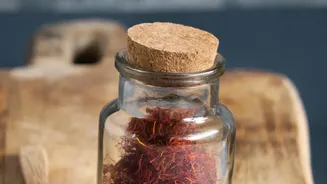
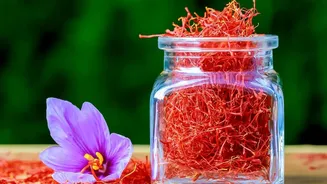
The most straightforward reason for saffron’s sparing use is its staggering cost. Often called the world's most expensive spice, its price is a direct result of an incredibly labour-intensive harvesting process. Saffron comes from the three tiny, crimson
stigmas found in the centre of the Crocus sativus flower. Each flower produces only three of these threads and blooms for just a few weeks a year. It takes an astonishing 75,000 to 150,000 flowers, all of which must be delicately hand-picked at dawn, to produce a single kilogram of dried saffron. This meticulous, manual effort means that every single thread is precious, making it a spice to be conserved and respected rather than used casually.
A Powerful and Complex Flavour
Beyond its cost, saffron possesses a flavour and aroma so potent that a heavy hand can easily ruin a dish. While it smells sweet and floral, often described with notes of honey and hay, its taste is earthy, complex, and distinctly bitter. This bitterness is a hallmark of high-quality saffron, provided by a compound called picrocrocin. Using too much can overwhelm the other ingredients, leaving a harsh, medicinal, and unpleasant bitter taste that masks the very subtlety you were trying to achieve. Just a pinch—typically 15 to 20 threads—is often enough to infuse a dish for four to six people with its signature golden hue and layered flavour.
Respecting a Culinary Treasure
In Indian culture, saffron, or 'Kesar', is more than just a seasoning; it's a symbol of purity, celebration, and luxury. It’s used in religious ceremonies, to anoint idols, and to add a touch of opulence to festive meals and sweets like kheer and shrikhand. Using it sparingly is a way of honouring this cultural significance. It isn't meant to be a dominant, everyday flavour like turmeric or chilli. Instead, it is a finishing touch, an element of grace that elevates a dish from ordinary to extraordinary. To use it generously would be to diminish its special status, turning a rare treat into something commonplace.
Getting the Most from Every Thread
To ensure not a single thread goes to waste, proper technique is crucial. Never toss saffron threads directly into your dish. The key is to 'bloom' them first to release their full colour (from crocin) and aroma (from safranal). Gently crush a few threads and soak them in a few tablespoons of warm—not boiling—water, milk, or broth for at least 15 to 20 minutes. This golden liquid can then be added towards the end of the cooking process to preserve its delicate aroma, which can be destroyed by prolonged heat. This simple step ensures that even a small amount of saffron provides maximum impact, delivering that beautiful colour and complex flavour you're looking for.
A Note on Health and Safety
While saffron is celebrated in Ayurveda for its health benefits, it's a potent substance. In the small amounts used for cooking (typically under 100mg), it is perfectly safe for most people. However, in very large doses, far beyond anything you would ever use in a recipe, saffron can be toxic. Consuming several grams at once can lead to side effects like dizziness, nausea, and more serious complications. This reinforces the culinary wisdom that saffron is a spice to be used with precision and restraint, not abandon. For culinary purposes, sticking to the 'pinch' rule ensures both perfect flavour and complete safety.