








Understanding El Niño's Power
First, what exactly is El Niño? It’s a natural, recurring climate pattern characterised by the unusual warming of surface waters in the eastern tropical Pacific Ocean. Think of it as a massive release of heat from the ocean into the atmosphere. This isn't
just a local event; it triggers a chain reaction, disrupting weather patterns across the globe. For India, a strong El Niño is often bad news. Historically, it has been linked to a weakening of the vital southwest monsoon, which can lead to below-normal rainfall. This pattern doesn't just mean a few less rainy days; it has profound effects on agriculture, water reservoirs, and the national economy.
The Significance of a 2°C Breach
The two-degree Celsius mark is a critical threshold in climate discussions. The 2015 Paris Agreement established a global goal to keep the long-term average temperature rise “well below 2°C” compared to the pre-industrial era (1850-1900). It’s widely seen by scientists as the guardrail to prevent the most catastrophic and irreversible impacts of climate change. It's crucial to understand the distinction here: the recent prediction is for a single month to exceed 2°C, not for the long-term average to be permanently breached. However, even a temporary spike of this magnitude is a major red flag. It provides a real-world preview of what a permanently warmer world could feel like and tests the resilience of our ecosystems and societies in ways we have not experienced before.
The 2027 Forecast Explained
The prediction comes from projections by the University of Miami's Rosenstiel School of Marine, Atmospheric, and Earth Science. Researchers there have calculated a 35% to 40% probability that a single month in early 2027 will cross the 2°C threshold. These odds have risen as meteorologists upgrade forecasts for the current El Niño, which is expected to be among the strongest on record. The forecast combines the immense warming power of this powerful El Niño with the steady underlying trend of human-caused global warming. Ben Kirtman, a dean at the school, has called the probability "really large" and suggested it is an underappreciated risk.
What This Means for India
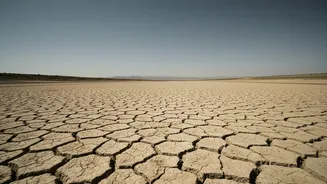
A global temperature spike driven by El Niño could have severe and direct consequences for India. The primary concern is the impact on the monsoon. A weakened monsoon can lead to drought-like conditions, reduced crop yields, and increased stress on water resources. This directly affects food security and can fuel food price inflation. Beyond the monsoon, such an event would likely amplify heatwaves across the subcontinent. The country could face hotter months and seasons than ever recorded, leading to soaring demand for electricity and water at a time when resources may already be strained by a poor monsoon. These conditions pose serious risks to public health, agriculture, and infrastructure.
A Warning Shot for the Planet
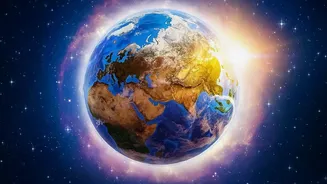
While a temporary breach of the 2°C limit is largely symbolic, it serves as a powerful warning. It demonstrates that the background warming of our planet is pushing natural climate variations into uncharted territory. Each fraction of a degree of warming increases the frequency and intensity of extreme weather events, from heatwaves and droughts to torrential rains. Scientists view this potential 2027 event not as a final tipping point, but as a clear and sobering glimpse into our climate future. It underscores the urgency of global efforts to reduce greenhouse gas emissions, as the underlying warming trend is what makes these extreme spikes possible.