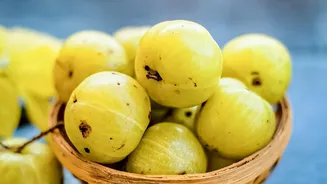



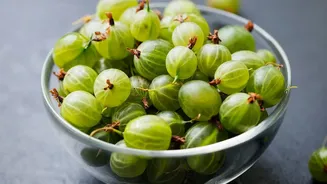

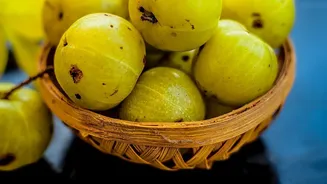
Amla, the Indian gooseberry, is celebrated for its sharp, unique flavour and its reputation as a health powerhouse. While tradition and science both point to its benefits, the best way to enjoy it is simply as food. Let’s explore seven delicious and practical
ideas to make amla a part of your daily meals.
A Refreshing Morning Juice
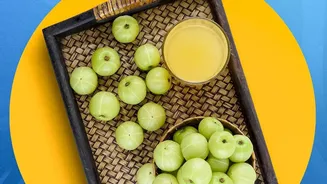
Starting your day with fresh amla juice is a simple and effective way to consume this fruit. Its tangy, astringent taste can be an acquired one, so feel free to dilute it with water, add a pinch of black salt, or mix in a little honey or ginger juice to balance the flavour. Juicing amla retains much of its vitamin C, a potent antioxidant. This preparation is quick, involves minimal cooking, and offers a vibrant kickstart to your morning, helping to hydrate you while delivering a dose of nutrients. For best results, use fresh, firm gooseberries and consume the juice shortly after making it.
A Zesty and Spicy Chutney
Amla chutney is a versatile condiment that can liven up any meal, from dal and rice to sandwiches and dosas. To prepare it, simply blend chopped raw amla with fresh coriander, mint leaves, green chillies, ginger, and a pinch of salt. Some recipes also include a small amount of jaggery or sugar to balance the sourness. This no-cook or lightly-sautéed preparation preserves the fruit’s fresh character and nutrients. It can be stored in the refrigerator for up to a week, making it a convenient and flavourful addition to your everyday diet.
The Classic Sweet Murabba
Amla murabba is a traditional sweet preserve, often enjoyed during the winter months. In this preparation, whole gooseberries are first boiled or steamed until tender, then simmered in a sugar or jaggery syrup. The syrup is often infused with spices like cardamom or black pepper for added flavour. While murabba is delicious, it is high in sugar, so it should be consumed in moderation. It serves as a dessert or a sweet accompaniment to a meal, transforming the fruit’s bitterness into a pleasant, candy-like treat that can last for months when stored properly.
A Simple Sun-Dried Snack
For a simple, on-the-go option, consider making dried amla, sometimes known as amla supari. To do this, slice fresh amla, discard the seeds, lightly salt the pieces, and leave them to dry in the sun for several days until they are completely dehydrated and crisp. The result is a tangy, chewy snack that can be stored for a long time. This method concentrates the flavour and is a great way to preserve amla when it's in season. It’s a healthier alternative to many processed snacks and an easy way to get a little amla into your day.
A Versatile Daily Powder
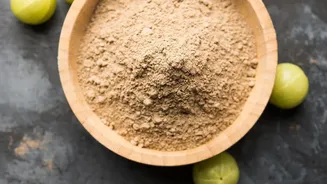
Homemade amla powder is incredibly versatile. To make it, grate fresh amla and spread it out to dry in the shade for a few days until all moisture is gone; drying in the shade helps retain its natural colour. Once completely dry, grind the gratings into a fine powder. This powder can be stirred into a glass of warm water, sprinkled over salads, mixed into smoothies, or added to dals and curries for a subtle, tangy boost. It is an easy way to incorporate amla's benefits without having to handle the fresh fruit daily.
A Quick and Savoury Pickle
A quick amla pickle, or ‘athela amla,’ is a tangy and savoury preparation where the gooseberries are brined. The amlas are typically boiled briefly in water with salt and turmeric until they are just tender. Once cooled, they are stored in the same brine in a sterilised glass jar. You can also add ginger or green chillies for extra flavour. This pickle is ready to eat in a few days and keeps well in the refrigerator, serving as a delicious, salty-sour accompaniment that aids digestion.
Amla in Everyday Cooking
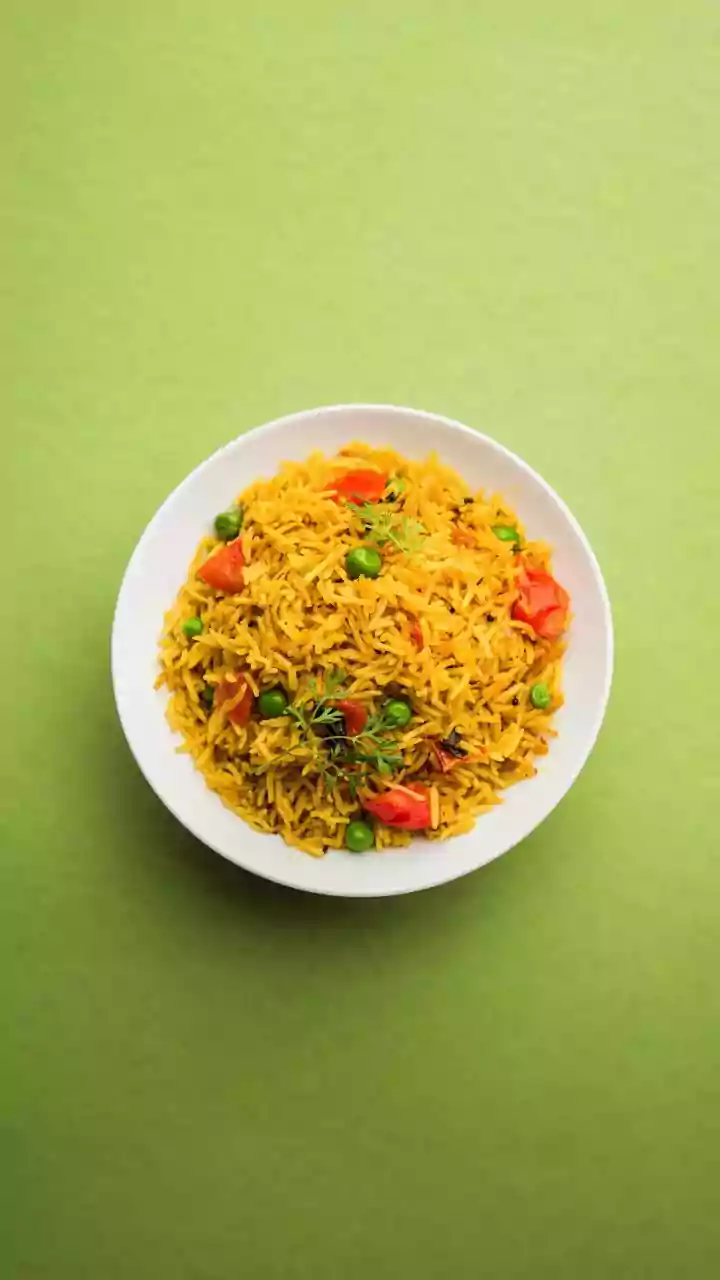
Beyond specific recipes, amla can be easily integrated into your daily cooking. Grated or chopped amla can be added to rice dishes, such as raw mango rice, for an extra layer of tang. It can also be cooked into dals, where its sourness complements the earthy flavour of the lentils beautifully. Adding a few pieces of amla while pressure-cooking lentils infuses the entire dish with its unique taste and nutrients. This approach treats amla as a functional ingredient, much like tamarind or lemon, weaving its benefits seamlessly into your meals.