



More Than Just a Suggestion
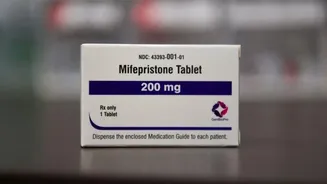
The instructions on a medication box are not just suggestions; they are a vital guide to using the drug safely. Painkillers contain powerful chemical compounds designed to alter how your body perceives pain. Taking a dose that is too high, too frequent,
or for too long can overwhelm your body's ability to process these substances safely, leading to potentially serious health consequences. The label provides essential details on active ingredients, purpose, dosage, and warnings. Understanding these elements helps you avoid accidental overdoses, especially since the same active ingredient, like paracetamol, can be present in many different cold and flu remedies.
The Dangers of 'A Little Extra'
When you are in significant pain, it can be tempting to think that taking an extra tablet will provide faster or better relief. However, this 'more is better' approach is a dangerous fallacy. Each painkiller has a maximum recommended daily dose for a reason. Exceeding the stated dose of paracetamol, for instance, doesn't increase its pain-relieving effect but dramatically increases the risk of severe liver damage. An overdose can cause symptoms like nausea and abdominal pain initially, but can progress to liver failure, which may be fatal without immediate medical treatment.
Not All Painkillers Are the Same
It's important to understand the type of painkiller you are taking. Non-steroidal anti-inflammatory drugs (NSAIDs) like ibuprofen work by reducing inflammation. While effective, long-term or excessive use of NSAIDs can lead to stomach ulcers, gastrointestinal bleeding, kidney problems, and an increased risk of heart attack or stroke. The risk of stomach issues rises significantly when NSAIDs are combined with alcohol. Respecting the dosage and duration limits on the label helps mitigate these risks and ensures the medicine helps rather than harms.
The Risk of Harmful Interactions
Painkillers don't exist in a vacuum. They can interact with other substances, including alcohol and other medications. Mixing alcohol with any painkiller is risky. With paracetamol, it escalates the strain on your liver. With NSAIDs, it increases the chance of stomach bleeding. When it comes to prescription opioids like tramadol or codeine, combining them with alcohol is especially dangerous because both substances depress the central nervous system. This combination can slow your breathing and heart rate, leading to potential overdose and death.
When to Seek Professional Advice
Over-the-counter painkillers are intended for short-term relief of mild to moderate pain. If you find yourself needing them for more than a few days, if the pain is severe, or if it interferes with your daily life, it is a sign that you should consult a doctor. Self-medicating for chronic pain can mask a more serious underlying issue and may lead to dependence. In India, the misuse of pharmaceutical opioids is a growing concern, sometimes acting as a gateway to more severe addiction. A healthcare professional can diagnose the root cause of your pain and create a safe, effective treatment plan, which may include physical therapy or other non-medication strategies.