






The New Must-Have Ingredient
For years, protein was primarily associated with bodybuilders and elite athletes. Today, it has become a priority for everyday consumers. A 2026 survey found that nearly half of all adults are actively trying to increase their protein intake, a figure
that has climbed significantly in recent years. This shift is driven by a growing understanding of protein's benefits beyond muscle building. Consumers now link it to satiety—the feeling of fullness that helps manage appetite—sustained energy levels, and overall wellness. As healthy eating evolves from restrictive diets to a more holistic and enjoyable experience, people are seeking foods that are both nourishing and satisfying. This has created a massive demand that the food industry is eagerly meeting.
From Niche to Supermarket Staple
The most visible sign of this trend is the sheer variety of products now boasting a protein boost. It has expanded far beyond traditional sources like meat and dairy and into almost every food category imaginable. Shoppers can now find protein-fortified pasta, bread, breakfast cereals, chips, and even ice cream. This 'protein fortification' is a food revolution in motion, transforming familiar favourites into more functional, nourishing options. The global market for high-protein foods is projected to grow substantially, reaching over $105 billion by 2034 as brands innovate with new formats like protein-rich beverages and ready-to-eat meals. The goal is convenience; making it easier for everyone, from busy professionals to families, to meet their nutritional goals without drastically changing their eating habits.
The Plant-Powered Push
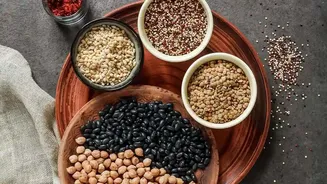
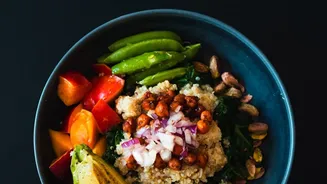
Running parallel to the protein boom is the increasing popularity of plant-based diets. Consumers are seeking alternatives to animal products for a mix of health, environmental, and ethical reasons. This has fueled incredible innovation in plant-based protein sources. Proteins derived from peas, soy, chickpeas, and even algae are being incorporated into a vast range of products. These ingredients are not just for creating meat substitutes; they are used to fortify snacks, bakery items, and drinks. While the market for direct meat alternatives has seen shifts, the demand for plant protein itself continues to grow as it becomes a key component in a wider array of health-focused foods. Food manufacturers are even creating hybrid products, blending different plant proteins or combining them with dairy to achieve better taste, texture, and nutritional profiles.
Innovation Behind the Scenes
Adding protein to foods like crispy snacks or clear beverages is not as simple as just mixing in a powder. Food scientists perform a delicate balancing act to boost protein content without compromising the taste, texture, and shelf life that consumers expect. One of the biggest challenges is that adding protein can make light products like puffed snacks or cereals dense and heavy. Advanced technologies like extrusion are crucial, allowing manufacturers to create protein-enriched snacks that are still light and crunchy. Similarly, new developments in food science have made it possible to create microscopic protein capsules that can protect vitamins in liquids or to develop protein blends that dissolve clearly in drinks. This behind-the-scenes innovation is key to making fortified foods that are not just nutritious but also enjoyable to eat.