




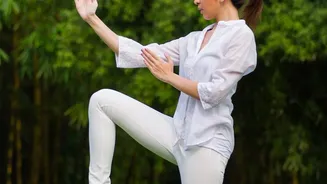

The Gentle Art of Tai Chi
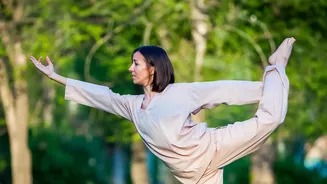
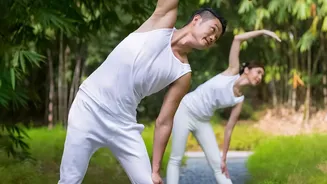
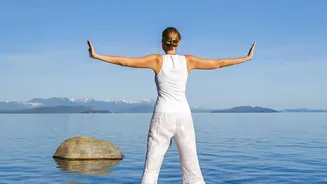
Often called 'meditation in motion', Tai Chi is an ancient Chinese martial art that involves slow, flowing, and deliberate movements paired with deep breathing. It is practiced without pausing through a series of motions, often with names inspired by
nature or martial applications. The core principle is gentle, circular movement where muscles are relaxed, not tensed, and joints are never fully extended. This makes it an incredibly low-impact exercise that is adaptable for almost any fitness level, from elite athletes to individuals recovering from surgery.
The Immersive World of Kayaking
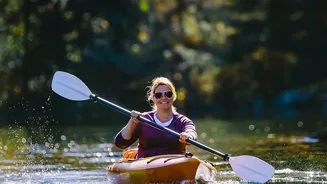
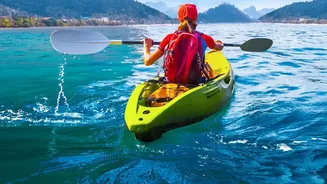
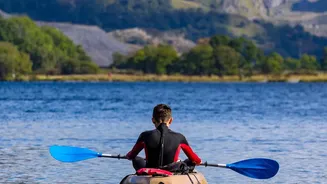
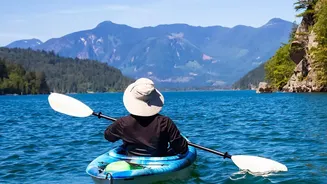
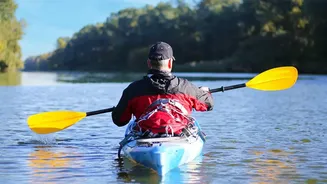
Kayaking is a water sport that involves paddling a small, enclosed vessel with a double-bladed paddle. It's a versatile activity that can be a peaceful glide across a calm lake, a sightseeing tour along a coast, or a more intense workout against currents. Like Tai Chi, it is considered a low-impact activity, as the water supports your body and reduces stress on the joints, particularly the knees and ankles. The intensity is entirely up to the paddler, making it accessible for beginners and seasoned adventurers alike.
Muscle Engagement: Full Body vs. Focused Strength
Kayaking provides an excellent upper-body and core workout. Every paddle stroke engages the arms, shoulders, chest, and back. The rotational movement required for paddling is also a fantastic exercise for the abdominal and oblique muscles. While often overlooked, the legs are also active, used for balance and to apply pressure to stabilize and maneuver the kayak.Tai Chi, on the other hand, is renowned for developing lower-body strength and core stability. The slow, controlled movements and deep stances build strength in the legs and glutes without the impact of running or jumping. It also strengthens the core muscles of the back and abdomen, which are crucial for maintaining its upright, flowing postures.
Balance and Flexibility: Grounded vs. Dynamic
When it comes to improving balance, Tai Chi is a clear standout. Research has repeatedly shown its effectiveness in improving stability and reducing the risk of falls, particularly in older adults. The practice trains proprioception—the body's ability to sense its position in space—by constantly shifting weight in a slow, controlled manner. The gentle, flowing movements also improve both upper- and lower-body flexibility.Kayaking challenges balance in a more dynamic way. The unstable nature of being on water requires constant micro-adjustments from your core and legs to stay upright, improving your body's reactive stability. While it does promote some flexibility through the torso rotation of paddling, its primary benefit in this area is dynamic balance rather than the grounded, preventative balance taught in Tai Chi.
The Mind-Body Connection
Both activities are praised for their mental health benefits. Tai Chi is inherently meditative, demanding focus on breath and the sensation of movement, which helps reduce stress, anxiety, and depression. This mindful focus can improve cognitive function, concentration, and emotional regulation.Kayaking fosters mindfulness through immersion in nature. The rhythmic sound of the paddle, the feel of the water, and the surrounding scenery create a calming effect that reduces stress and boosts mood. Being on the water, often referred to as 'blue mind theory', has been shown to release mood-enhancing chemicals in the brain, promoting a sense of peace and well-being.
Accessibility and Cost
Here, the two diverge significantly. Tai Chi is one of the most accessible forms of exercise available. It requires no equipment, and many free or low-cost classes can be found in community centers and parks. You can practice anywhere, anytime, wearing loose, comfortable clothing. The primary cost might be for instruction to ensure proper form.Kayaking requires specific gear—a kayak, paddle, and safety equipment—and access to a body of water. The initial investment can be substantial, though rental options are widely available. This makes it less spontaneously accessible than Tai Chi and often dependent on location and weather.