


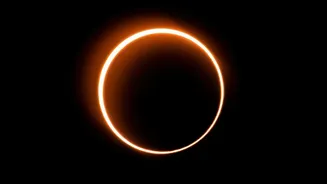
A Celestial Double Sunset
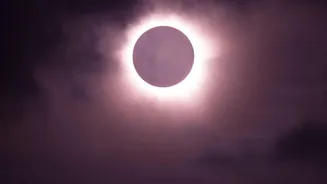
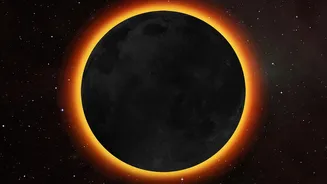
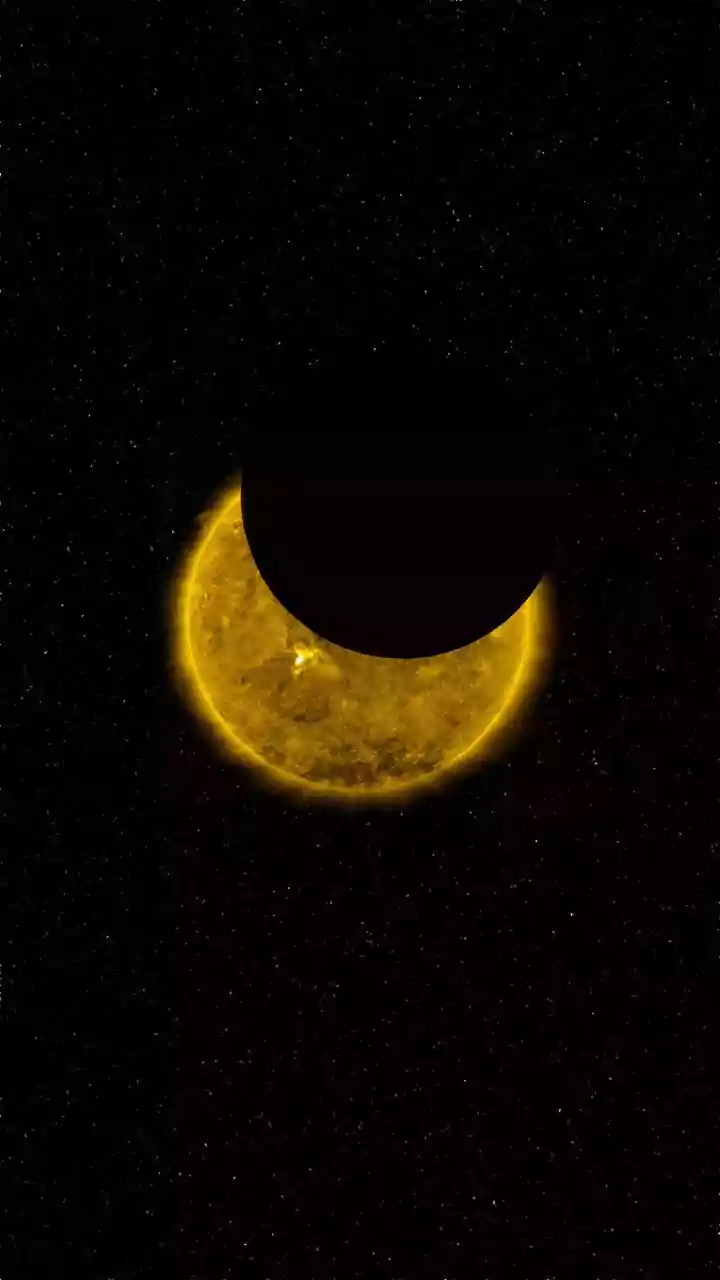
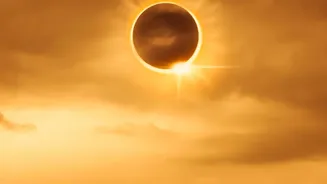
For the first time since 1905, mainland Spain will be plunged into daytime darkness by a total solar eclipse. On the evening of August 12, 2026, the moon's shadow will race across the northern part of the country, and the village of Avellanosa de Muñó
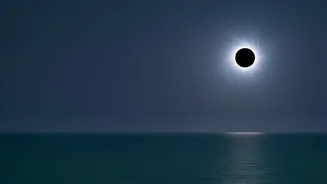
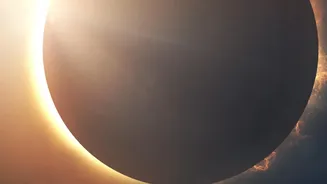
lies directly in its path. For one minute and 46 seconds, around 8:29 PM local time, the sun will vanish completely, creating an extraordinary spectacle just before its natural sunset. This has been described as a 'double sunset,' a rare event where day turns to night and back again, only for the real dusk to follow shortly after. For most of Europe, this is the first chance to see a total solar eclipse since 1999, making it a major astronomical event. Later the same night, the Perseid meteor shower is also expected to peak, creating a remarkable convergence for sky-gazers.
The Quiet Emptiness of 'Empty Spain'
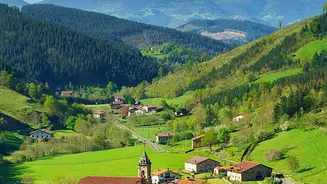
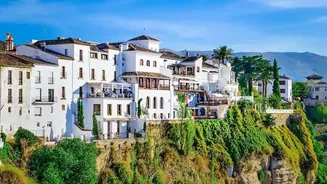
While the cosmos prepares its show, life in Avellanosa de Muñó tells a different story. In the 1950s, the village was home to around 200 people, with shops and a bustling community. Today, only about 10 permanent residents remain. The village is a powerful example of a phenomenon known as 'España Vaciada' or 'Empty Spain,' where vast rural areas have seen their populations collapse over decades. As agriculture became mechanised and younger generations sought opportunities in cities like Madrid and Barcelona, thousands of villages like Avellanosa de Muñó were left behind. They are places of profound quiet, where a single bakery van making weekly deliveries is a notable event, and the streets are often deserted. The school doors have long been locked, a common story in a country where over the past 50 years, the countryside has lost nearly 28% of its population.
A Fleeting Moment of Hope?
The eclipse, however, is bringing an unexpected and temporary reversal of fortunes. This corner of 'Empty Spain' is set to become one of the most sought-after destinations on the planet for a few hours. The region is bracing for an influx of 'astrotourists,' with hotels in the nearby town of Lerma booked out years in advance. Across the eclipse path in Spain, searches for rural accommodations have surged by over 800% on some platforms. Analysts predict the event could inject over €360 million into the Spanish economy in a single week, a welcome boost for these under-visited regions. For a brief moment, the world's attention will be focused on a place defined by its emptiness, bringing a flurry of activity and economic potential. This has sparked a mini-renaissance of sorts, as former residents and their families plan to return to the village to witness the spectacle.
After the Shadow Passes
The critical question remains: what happens when the sun returns and the eclipse-chasers depart? While the economic boost is welcome, it is a fleeting surge. The 'Iberian Trio' of eclipses in 2026, 2027, and 2028 offers a sustained window for astrotourism, but it does little to solve the underlying demographic crisis. The structural problems of an aging population, lack of year-round jobs, and limited services are the real challenges facing Avellanosa de Muñó. The village has no hotels or restaurants of its own to capture the tourism revenue directly. The global spotlight will shine brightly for a day, offering a moment of wonder and a brief taste of vitality. However, when the last car leaves, the village will return to its quiet rhythm, its future still hanging in the balance.