






The Story That Caused a Stir
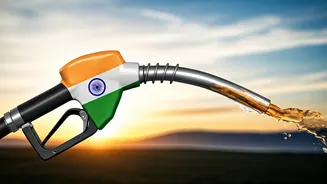
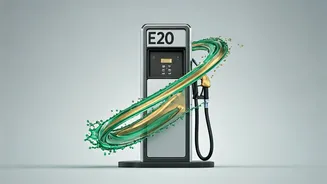
The controversy began with a report originating from the newspaper 'The Bhutanese'. It claimed that Bhutan had declined an offer from Indian Oil Marketing Companies (OMCs) to supply E20 petrol, a blend of 80% petrol and 20% ethanol. According to the report,
Bhutanese authorities requested to continue receiving regular, unblended petrol for as long as it remains available. The story was quickly amplified, in part due to an ongoing domestic debate within India about the performance of E20 fuel in vehicles, particularly older models.
India's Official Clarification
India’s Ministry of Petroleum and Natural Gas swiftly moved to counter these reports. In a public statement, the ministry labelled the claims as "incorrect". The crucial point, according to the ministry, is that India's OMCs never made a formal offer to export E20 petrol to Bhutan, and there is currently "no such proposal" on the table. This official denial reframes the situation from a rejection by Bhutan to a non-event, suggesting the story was based on a misunderstanding of the diplomatic and commercial processes involved in fuel supply.
Why Was Bhutan's Stance Misreported?
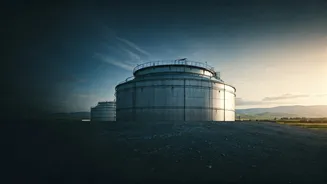
While India denies a formal offer, the editor of 'The Bhutanese' has stood by the publication's reporting, stating it was based on responses from Bhutanese officials. The newspaper shared what it said was a written document from Bhutan's Department of Trade. This document detailed concerns about adopting E20 fuel, including its hygroscopic nature (tendency to absorb water) and the suitability of Bhutan's aging underground storage tanks. It appears discussions may have occurred at a technical level, where Bhutanese officials expressed their reservations about infrastructure readiness, which was then interpreted as a rejection of a pending offer.
The India-Bhutan Fuel Lifeline
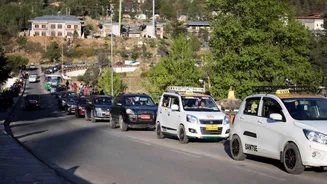
This episode touches upon a critical component of the special relationship between the two nations. India is Bhutan's top trade partner, and Bhutan is entirely dependent on India for its supply of petroleum products, including petrol and diesel. This trade is governed by a long-standing free trade agreement, which ensures a secure and long-term supply of fuel to the Himalayan kingdom. The arrangement is a cornerstone of India's "Neighbourhood First" policy, making any perceived friction over such a vital commodity a sensitive matter.
Context is Key
The Bhutanese concerns, as reported, are not entirely unfounded in a technical sense. Ethanol-blended fuel requires specific storage conditions to prevent water contamination, which can affect fuel quality and engine performance. For a country with mountainous terrain and older infrastructure, a cautious approach to transitioning fuel types is logical. Reports indicate that Bhutanese officials have requested advance notice from India before any widespread switch to higher ethanol blends becomes mandatory, allowing them time to upgrade their infrastructure accordingly. This suggests a desire for coordination rather than an outright refusal of cleaner fuels. India's government, for its part, has consistently defended the quality and reliability of E20 fuel, stating it was introduced after extensive testing.