

The Science of Ripening
The secret behind this kitchen drama is a simple, invisible plant hormone called ethylene gas. Many fruits produce ethylene as they mature, and this gas, in turn, signals the fruit to ripen further. It's a natural process that helps fruits soften, change
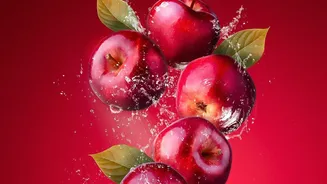
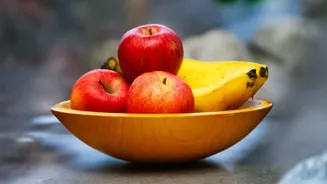
colour, and develop their sweet flavour. Both apples and bananas are well-known as high ethylene producers. When you place them near each other, they essentially create a concentrated cloud of this ripening hormone, creating a domino effect that accelerates the process for both.
When It Becomes Wasteful
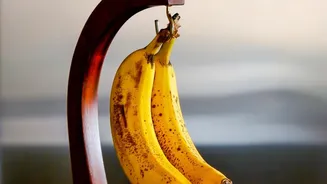
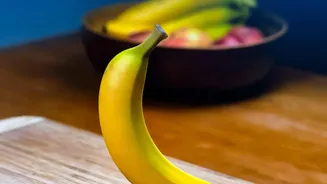
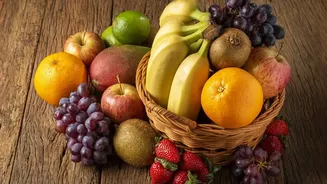
The most common outcome of storing bananas and apples side-by-side is accelerated spoilage. If your goal is to make your fresh produce last as long as possible, keeping these two together is counterproductive. The ethylene released by the apples will cause the bananas to develop brown spots and become mushy much faster than they would on their own. Likewise, the ethylene from the bananas will speed up the ripening of the apples, shortening their crisp, fresh window. This is why you might find your perfectly ripe fruits turning soft and overripe in just a day or two, leading to unnecessary food waste. To prolong their freshness, the best strategy is simple separation. Keep them in different bowls or on opposite ends of your kitchen counter.
How to Make It Useful
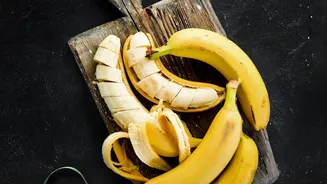
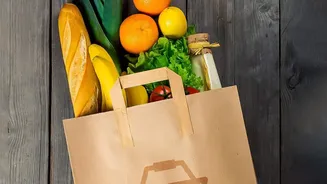
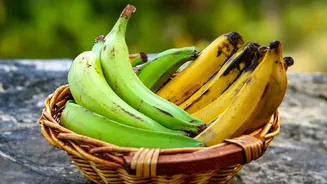
This very same science can be harnessed for good. If you have fruits that are stubbornly hard and unripe, like green bananas, a firm avocado, or a rock-hard pear, an apple or a ripe banana can be your best friend. By placing the unripe fruit in a paper bag with an apple or banana, you trap the ethylene gas, creating a super-ripening chamber. The concentrated ethylene will encourage the hard fruit to soften and sweeten much more quickly, often overnight. This trick works best for what are known as 'climacteric' fruits—those that continue to ripen after being picked. This category includes mangoes, peaches, plums, and tomatoes, in addition to bananas and avocados.
Smarter Storage Strategies
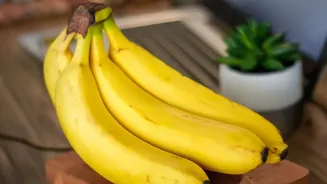
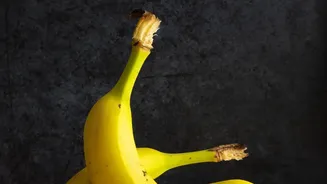
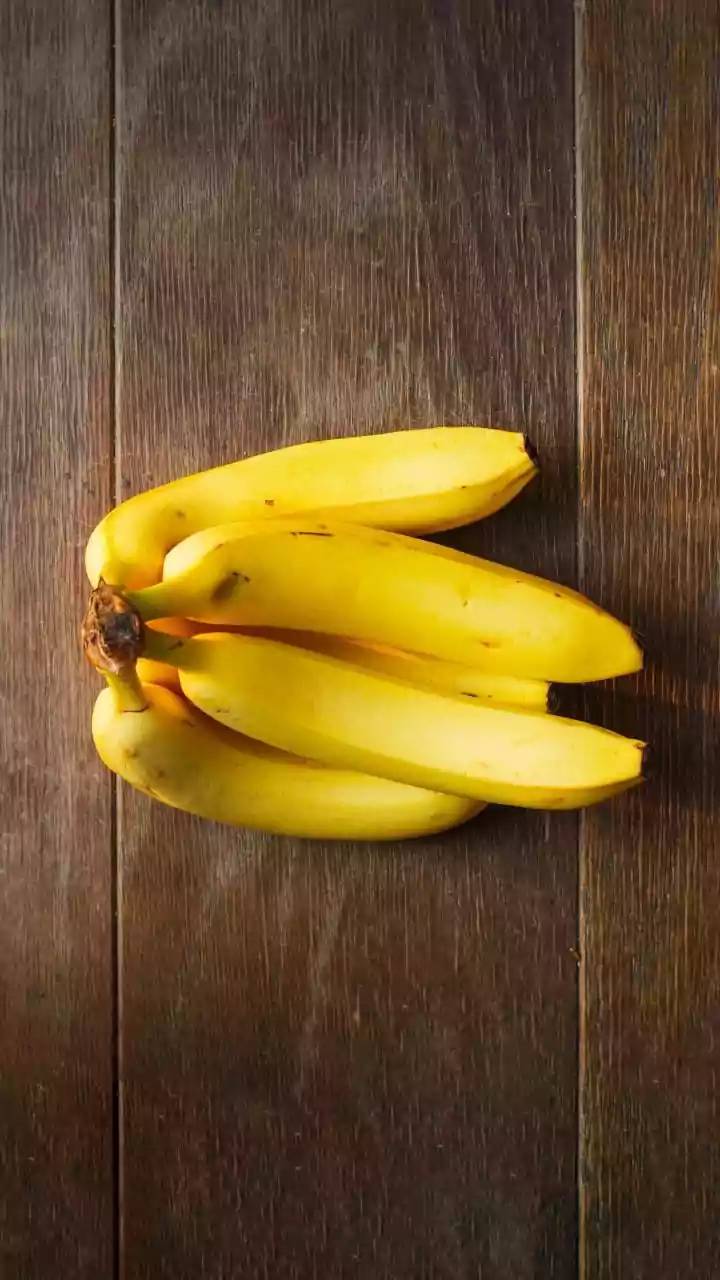
To become the master of your fruit bowl, a 'divide and conquer' strategy is key. If you want to slow down ripening, store your ethylene-producing fruits like apples, ripe bananas, and pears separately from ethylene-sensitive produce like broccoli, carrots, and leafy greens. A handy tip for bananas is to separate the bunch and wrap the stems of each banana in a small piece of plastic wrap. Since most of the ethylene is released from the stem, this simple hack can significantly slow the ripening process, giving you a few extra days of perfectly yellow bananas. For apples, storing them in the crisper drawer of your refrigerator, away from other produce, can keep them fresh for weeks.
Don't Waste the Overripe
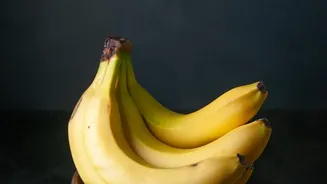
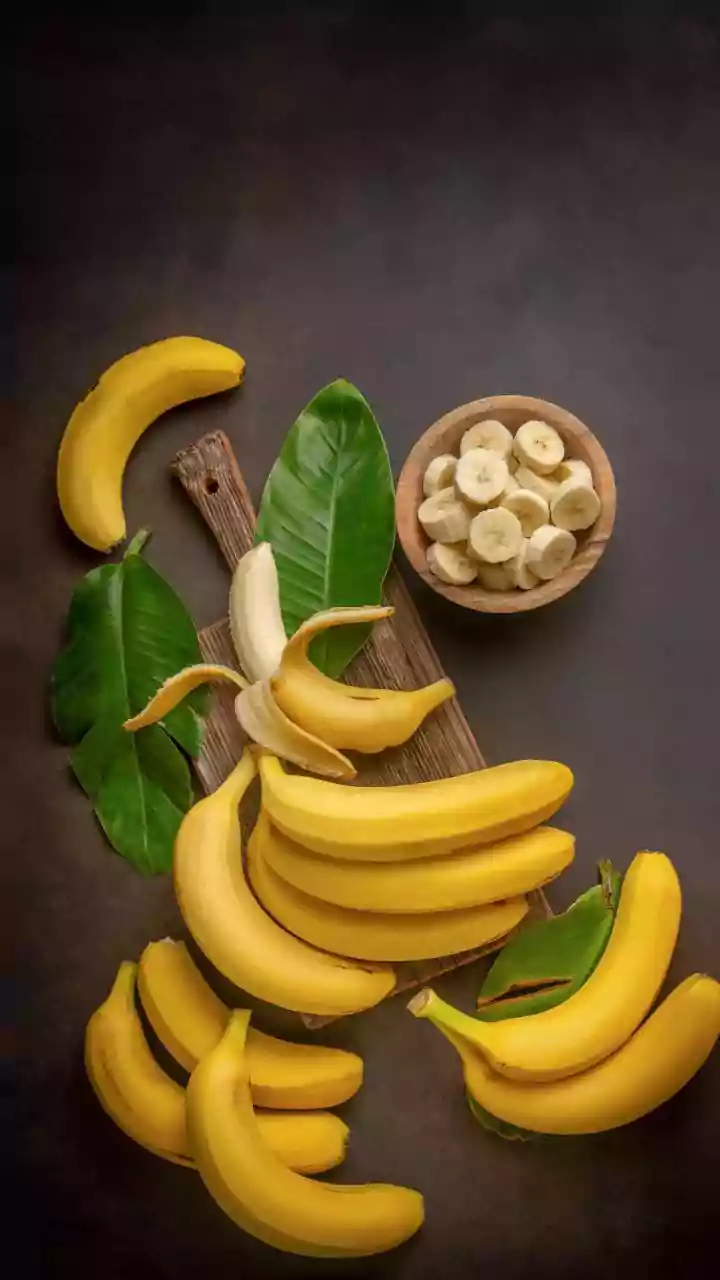
Even with the best storage plans, you might end up with a few overripe, brown-spotted bananas. But wasteful this is not. An overripe banana is a baker's secret weapon, as the starches have converted to sugars, making them intensely sweet and flavourful. They are perfect for mashing into classic banana bread, muffins, or pancakes. You can also peel and freeze them in chunks to add a creamy, thick texture to smoothies and milkshakes. Some even pan-fry slices with a bit of butter and cinnamon for a quick, caramelised dessert. So, even when they seem past their prime, overripe bananas can be the start of another delicious creation.