



The Allure of a 'Healthy' Sweetener
In the quest for healthier eating, many have turned from sugar to natural, zero-calorie alternatives like stevia and monk fruit. The primary motivation is often weight management or controlling blood sugar. Recently, however, a more enticing claim has
entered the conversation: the idea that these sweeteners could actively improve cardiovascular health by lowering bad cholesterol. This potential benefit has captured public interest, suggesting these sugar substitutes could be more than just a passive replacement; they could be an active tool for a healthier heart. The concept is compelling, but it is where scientific reality and marketing hype can begin to blur, making a closer look at the evidence essential.
Not All Natural Sweeteners Are the Same
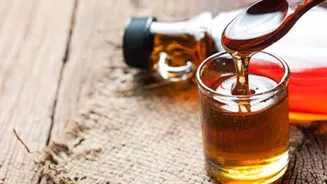
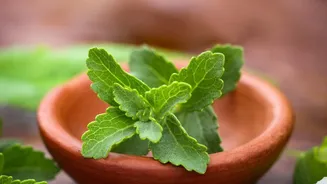
It is crucial to understand that 'natural sweetener' is a broad term. The most common types fall into two main categories. First are the high-intensity sweeteners derived from plants, like stevia (from the Stevia rebaudiana plant) and monk fruit. These are hundreds of times sweeter than sugar and contribute no calories. The second category includes sugar alcohols like erythritol and xylitol. These are found in small amounts in fruits and vegetables but are typically manufactured for commercial use through fermentation. While often marketed together under the 'natural' umbrella, their chemical structures and how the body processes them are very different—and so are their potential health impacts. Lumping them all together is a common mistake that can lead to confusion.
The Case for Stevia: Some Promising Signs
Much of the positive buzz centres on stevia. A handful of studies have explored its effect on cholesterol. For instance, a notable 2009 study found that participants consuming a daily dose of stevia extract saw a reduction in total cholesterol, LDL ('bad') cholesterol, and triglycerides, alongside an increase in HDL ('good') cholesterol. Other research in animal models has shown similar hypolipidemic (fat-reducing) effects. While these findings are intriguing, they come with significant caveats. The human studies are often small, short-term, and use concentrated stevia extracts in amounts far greater than what someone might sprinkle in their morning coffee. Therefore, experts consider the evidence preliminary and not strong enough to recommend stevia as a cholesterol-lowering agent.
A Major Note of Caution: Erythritol Concerns
The message of caution in the headline is largely driven by recent research into sugar alcohols, particularly erythritol. Several recent studies from respected institutions like the Cleveland Clinic have raised red flags. Research has found an association between higher blood levels of erythritol and an increased risk of major cardiovascular events, including heart attack and stroke. Follow-up studies demonstrated that consuming even a modest amount of erythritol—equivalent to that in some commercially sweetened products—can make blood platelets more prone to clotting. While this research highlights a correlation and doesn't definitively prove that erythritol causes these events, it has prompted concern among cardiologists and researchers, suggesting that this 'natural' sweetener may not be as benign as once thought.
What Do the Experts Conclude?
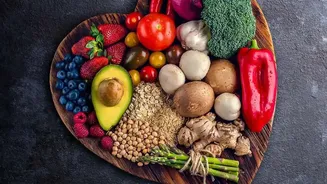
When you synthesize the available information, the expert consensus is clear: natural sweeteners are not a magic bullet for managing cholesterol. Dietitians and cardiologists emphasize that while substituting sugar with these alternatives can be a useful strategy for reducing overall calorie and sugar intake—which indirectly benefits heart health—they should not be viewed as a primary treatment for high cholesterol. Many health professionals advise their patients to wean themselves off highly sweetened foods altogether rather than relying heavily on substitutes. Meta-analyses of numerous studies have generally concluded that non-nutritive sweeteners have a neutral or no significant effect on blood lipids like cholesterol. The focus, they argue, should remain on proven strategies for heart health.