





The International Energy Agency has issued a stark warning: global energy markets are unlikely to return to normal in 2027. Geopolitical conflict has created a fragile and uncertain outlook for the long-term recovery of energy trade.
No Quick Return to Normal
The core message from
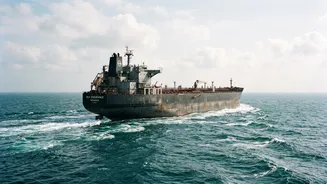
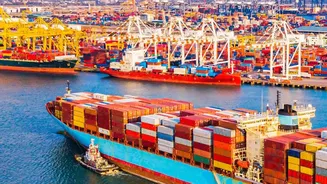
IEA Executive Director Fatih Birol is that there is no 'credible pathway' for energy markets to revert to pre-conflict conditions next year. Speaking at the Singapore International Energy Week in late October 2026, Birol stressed that governments and businesses must prepare for prolonged market uncertainty. The conflict in the Middle East, particularly involving Iran, has caused the 'largest supply disruption in the history of the global oil market' by restricting traffic through the Strait of Hormuz. This has created volatility that will define the market for the foreseeable future, making energy security a top priority worldwide.
A Paradox of Falling Demand and High Prices
The market is facing a strange combination of falling demand and stubbornly high prices. The IEA's October 2026 report forecasts that global oil demand will fall by an average of 2.6 million barrels per day this year, a trend expected to continue into the final quarter. This drop is driven by a weaker economic outlook and soaring fuel costs, particularly for diesel. Normally, falling demand would lead to lower prices, but that isn't happening. Supply remains severely constrained by geopolitical events, depleted global oil inventories, and limited spare production capacity. This means that even with less consumption, any new supply shock or disruption could send prices climbing again.
The Critical Diesel Shortage
A major point of concern is the global market for diesel and other distillates like gasoil. These fuels are essential for transportation, manufacturing, and even heating. The IEA has highlighted that diesel markets are under 'significant strain' due to prolonged supply disruptions from Russia and the Middle East, which has forced countries to draw down their stockpiles. In September, global diesel exports were down significantly year-on-year because losses from key exporters weren't fully offset by others. Birol has specifically flagged the diesel market as a worry heading into winter, when demand typically rises just as many refineries undergo maintenance, further tightening supply.
Shifting Trade and Investment
The crisis is fundamentally reshaping global energy investment and trade flows. The IEA's World Energy Investment 2026 report noted an acceleration away from Middle Eastern supply routes. While investment in oil is projected to fall, investment in natural gas—particularly new LNG projects in the US and Qatar—is hitting a decade high. However, the recovery of trade is fragile. Renewed attacks in the Gulf in October have shown how quickly progress can be reversed. This volatility has also created a new challenge: a heavy concentration in clean energy supply chains. Birol warned that the reliance on a small number of countries, primarily China, for solar panels, wind turbines, and batteries poses a new kind of energy security risk for regions like Southeast Asia.
Implications for India
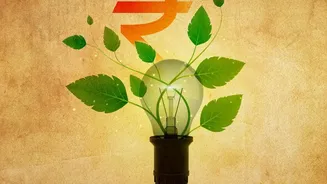
For India, a major energy importer and the world's fourth largest oil refiner, these global trends have significant consequences. While the government initially shielded consumers from price shocks, sustained high energy costs place pressure on the economy. The World Bank projects strong economic growth for India through 2026, which will fuel rising electricity demand. The global push for electrification and renewables presents an opportunity, but the IEA's warning about concentrated clean energy supply chains is highly relevant. India's own emissions intensity is projected to fall significantly by 2030 as it integrates more clean energy. However, managing the transition while navigating volatile fossil fuel markets and securing reliable supply chains for new technologies will be a critical challenge.