





More Than Just a Side Dish
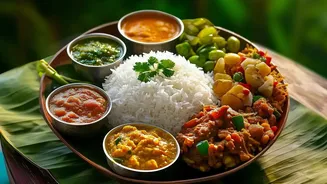
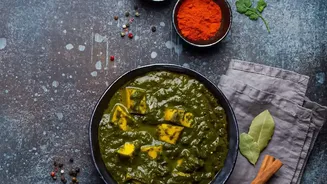
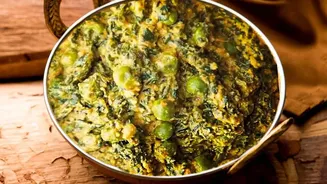
In India, 'saag' is a broad and beautiful term. It doesn't just refer to one dish but encompasses a whole category of recipes made from a wide variety of leafy greens. These greens are not mere afterthoughts; they are nutritional powerhouses that form
the backbone of regional cuisines from Punjab to West Bengal. For centuries, they have been celebrated for their flavour, texture, and health-giving properties. Whether it's the tender leaves of the drumstick tree (moringa) in the south or the robust mustard greens in the north, these plants are an integral part of India's culinary identity, offering an inexpensive and accessible way to plan a healthy, balanced meal.
The Foundation of Good Health
Leafy greens are packed with essential vitamins and minerals that are crucial for well-being. They are generally rich in vitamins A, C, and K, along with vital minerals like iron and calcium. Vitamin A is crucial for good vision and healthy skin, while vitamin C is a powerful antioxidant that boosts immunity and helps the body fight off infections. Iron is essential for preventing anaemia, a common health issue, while calcium is fundamental for building strong bones. Furthermore, greens are an excellent source of dietary fibre, which aids digestion, promotes a healthy gut, and can help in weight management.
A Tour of India's Diverse Greens
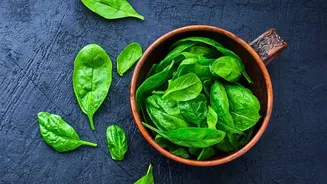
While spinach (palak) and mustard greens (sarson) are widely known, the variety available in local Indian markets is staggering. Amaranth leaves (chaulai), for instance, come in green and red varieties and are packed with iron, calcium, and vitamins A and C. Fenugreek leaves (methi), with their distinct bitter taste, are known to help control blood sugar levels and improve digestion. In Eastern India, water spinach (kalmi saag) is a low-calorie favourite, while Bengalis use colocasia leaves (kochu shaak) in savoury preparations. Bathua, also known as lamb's quarters, is a winter staple in the north, valued as a blood purifier and for its richness in potassium and calcium. Even the leaves of the drumstick tree (moringa) and pumpkin (kakhāru sāga) are used, each bringing a unique profile of nutrients to the table.
Why Variety is Your Best Friend
Eating a wide range of foods is a cornerstone of good health, and this principle is especially true for leafy greens. Different greens offer different nutritional profiles. For example, moringa leaves are exceptionally high in calcium and protein, while amaranth leaves are a great source of vitamin A. By rotating the types of greens you eat, you ensure your body receives a broader spectrum of vitamins, minerals, and antioxidants. This dietary diversity supports a healthy gut microbiome, which plays a critical role in everything from digestion to immune function. It also helps you absorb nutrients more effectively; for instance, the vitamin C in many greens helps the body absorb iron from plant-based sources. A varied diet also prevents dietary boredom, making it easier to stick to healthy eating habits long-term.
Simple Ways to Diversify Your Plate
Incorporating a wider array of greens into your meals doesn't have to be complicated. Start by exploring your local vegetable market and picking up one unfamiliar green each week. Finely chop methi or chaulai and add it to the dough for rotis and parathas for a nutritious boost. Toss tender drumstick leaves into your daily dal or sambar. Bathua can be blanched and mixed with curd to make a delicious raita. Softer greens like water spinach can be quickly stir-fried with a bit of garlic and chilli for a simple, flavourful side dish. The key is to experiment and find what you enjoy. By treating these diverse greens as versatile ingredients rather than just 'saag', you can unlock a whole new dimension of healthy and delicious Indian cooking.