


India's electric vehicle market just put up some stunning numbers for October 2026, suggesting the EV revolution is hitting a new gear. But a single blockbuster month, while exciting, doesn't tell the whole story about the road ahead.
An Electrifying October Performance
Automobile dealers
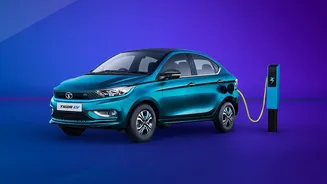
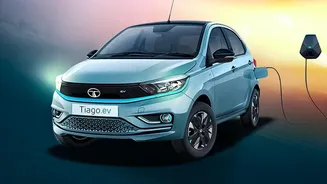
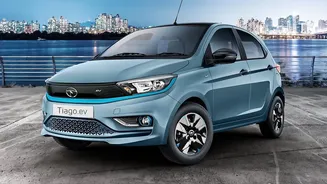
across India had a busy October, with electric passenger vehicle registrations soaring to 36,064 units. This figure marks an impressive 76.7% year-on-year (YoY) growth compared to the 20,411 units sold in October 2025. While slightly down from a record September, the sustained high volume indicates that consumer appetite for EVs remains robust, keeping sales above 30,000 units for the fifth consecutive month. This strong performance pushed the total EV sales for the calendar year to over 300,000 units by early November, a milestone achieved with nearly two months still left in 2026. The market leader, Tata Motors, continued its dominance, capturing a 40.7% market share with 14,669 EVs sold in October. Mahindra & Mahindra solidified its second-place position, showcasing the growing strength of domestic manufacturers in the electric space.
What's Fuelling the Festive Surge?
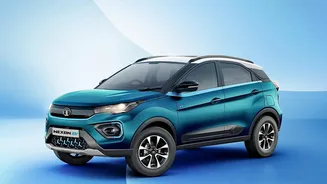
Several factors converged to supercharge EV sales in October. The festive season, a traditional period of high consumer spending in India, played a significant role. Although Navratri sales were somewhat muted compared to the previous year due to calendar shifts, the lead-up to Diwali often sees a flurry of big-ticket purchases, including vehicles. Automakers capitalize on this sentiment with attractive discounts and promotions. Beyond seasonal trends, the market is benefiting from a wider array of compelling products. New launches in popular segments, like the Tata Curvv EV and Mahindra's BE series, have expanded consumer choice. Models such as the Tata Punch EV and Nexon EV continue to be volume drivers, offering a practical entry point into EV ownership. This increased competition and product variety, especially from trusted domestic brands, are making EVs a more mainstream consideration for Indian families.
Monthly Spike vs. Annual Growth: A Tale of Two Trends
Here’s where we need to zoom out. A massive 77% YoY jump in one month is fantastic news, but it can be misleading if viewed in isolation. Monthly sales figures are highly susceptible to short-term factors like new model launches, festive discounts, or even changes in government policy that pull demand forward. They provide a snapshot, not the full panoramic view. Annual growth, on the other hand, smooths out these peaks and valleys. For example, while October's YoY growth was 77%, the overall growth for the calendar year to November 9 stood at a still-healthy but more moderate 66%. This figure gives a more reliable indication of the underlying, structural growth of the market. It shows that even without the festive bump, the baseline demand for EVs is steadily rising year after year. Analysts watch Year-on-Year (YoY) and Year-to-Date (YTD) figures to gauge the true health and trajectory of the market, as these are less prone to distortion from one-off events.
The Bigger Picture for India's EV Mission
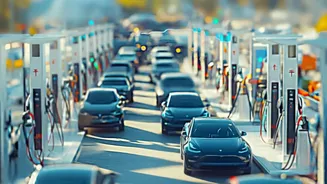
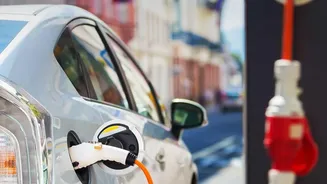
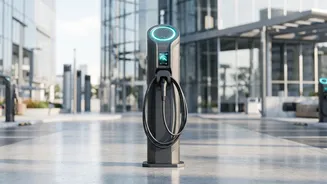
The October surge is another positive step towards India's ambitious goal of having 30% of all new vehicle sales be electric by 2030. The strong showing by homegrown players like Tata and Mahindra is particularly encouraging, indicating a robust local manufacturing ecosystem is taking shape. However, significant hurdles remain. While expanding, the public charging infrastructure is still inadequate for many potential buyers, leading to 'range anxiety'—the fear of running out of power. The higher upfront cost of EVs compared to their internal combustion engine (ICE) counterparts also remains a barrier for a large segment of the population, even with government incentives and lower running costs. Long term success depends not just on festive sales spikes but on consistently addressing these core challenges to make EV ownership accessible and practical for everyone.