








The Planet's Health Check
The latest 'State of the World's Forests' report from the UN's Food and Agriculture Organization (FAO), released in September 2026, paints a stark but hopeful picture. It confirms that land and forest degradation is a critical global issue, with over
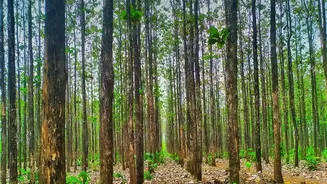
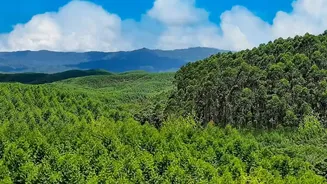
1.5 billion hectares of land worldwide considered degraded, an area larger than the United States. This isn't just an environmental problem; it directly threatens livelihoods, biodiversity, and the stability of our food systems. The report highlights that nearly one-third of the global population depends on forests for their food security and livelihoods. However, it also presents a clear and cost-effective solution: large-scale forest and landscape restoration. The UN urges that the window for action is narrowing, framing restoration not as a mere environmental priority but as a strategic investment in our collective future.
From Trees to the Table
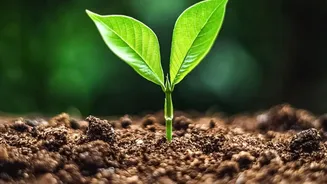
How exactly does planting trees translate to more food? The connection is deeper than it seems. Forests are crucial for healthy agriculture. They act as natural regulators of water, protecting soil from erosion, recycling nutrients, and supporting essential pollinators. When forests are degraded, these services collapse, leading to lower crop yields and increased vulnerability for farmers. The UN report notes that in some forest-dependent communities, forest foods provide up to 80 percent of daily protein intake. For millions, forests act as a vital safety net, providing food and income, especially during times of crisis. Research in India has shown that children in areas with greater forest cover often have more diverse diets. Restoring forests through methods like agroforestry—integrating trees with crops—can boost yields, improve soil health, and make farms more resilient to climate change.
The Economic Equation
The economic case for restoration is compelling. The UN report stresses that while inaction carries a massive economic burden, investing in restoration yields huge returns. Every dollar invested in land restoration can generate between $7 and $30 in economic benefits. These benefits come from a variety of sources: green jobs are created in nursery operations, planting, and management; new, sustainable industries like eco-tourism and value-added forest products can flourish; and communities become more resilient to climate shocks like droughts and floods, reducing the high costs of disaster relief. For rural areas, this can mean a significant boost to household incomes, which in some cases rely on forests for up to 20 percent of their earnings. The report frames restoration as a trillion-dollar opportunity to build a more stable and equitable global economy.
An Opportunity for India
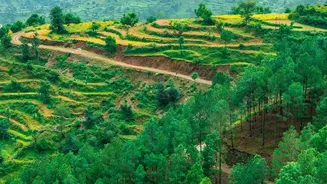
For India, these global findings are particularly resonant. With over 700 million people dependent on forests and agriculture, the nation is deeply invested in the health of its landscapes. India has already made significant strides, committing under the Bonn Challenge to restore 26 million hectares of degraded land by 2030, with over 21 million hectares already underway. Recent data from the India State of Forest Report (ISFR) shows a steady increase in the country's forest and tree cover, which now stands at over 25% of its geographical area. Initiatives like the National Agroforestry Policy and the Green India Mission align perfectly with the UN's recommendations. By continuing to invest in these programs, India can not only meet its climate goals but also bolster food security for its most vulnerable populations, create millions of sustainable livelihoods, and build a more resilient national economy estimated to see benefits of around ₹1.37 lakh crore per year from restoration efforts.