



The Contenders: A Quick Introduction
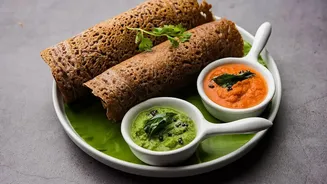
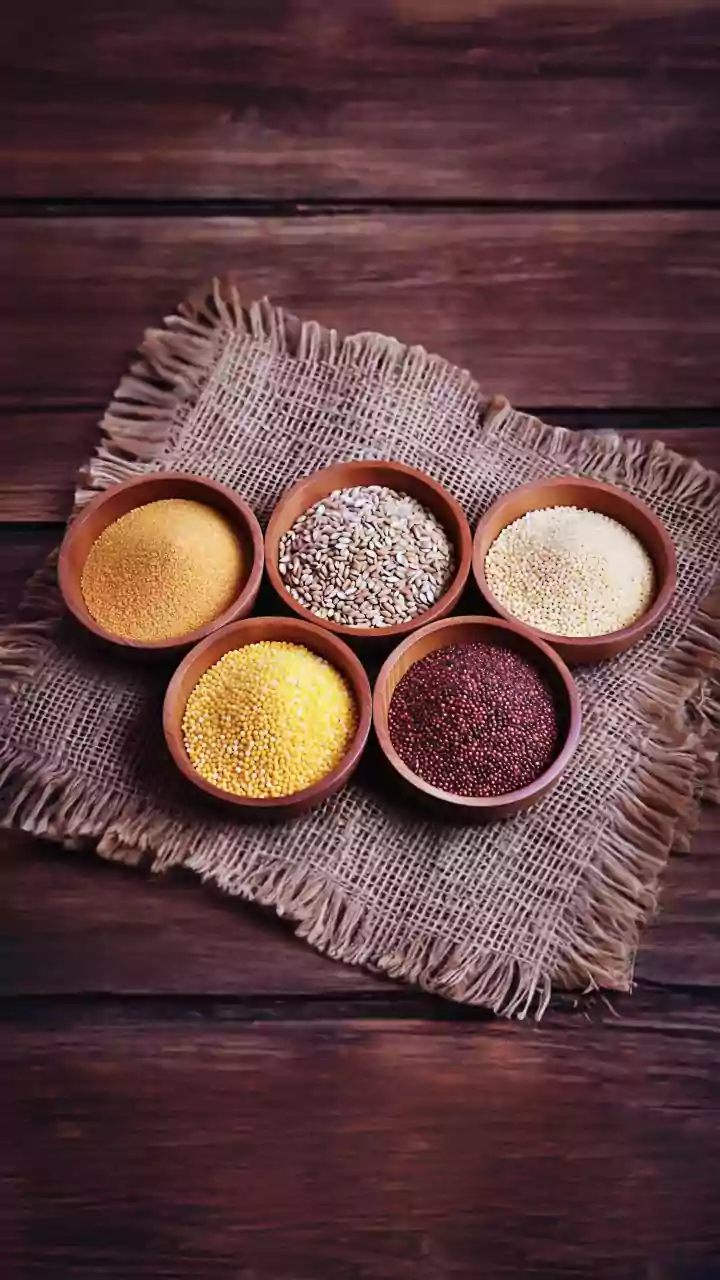
Ragi, also known as finger millet, is an ancient grain that has been cultivated in India and Africa for thousands of years. It's a hardy crop, deeply woven into regional diets, especially in Southern India, where it's used to make everything from rotis
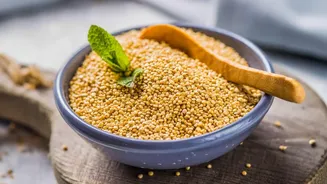
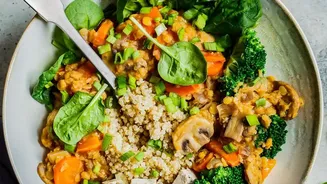
and dosas to porridge. Quinoa, technically a seed, originates from the Andes mountains of South America. It has gained immense international fame for its impressive nutritional profile, particularly its status as a complete protein. While both are gluten-free and lauded for their health benefits, their strengths differ significantly.
Nutritional Showdown: A Head-to-Head Look
When comparing them nutritionally per 100g, a clear picture of their distinct advantages emerges. Quinoa is the undisputed protein champion, offering around 14 grams, which is nearly double that of ragi's 7-10 grams. It also contains all nine essential amino acids, making it a complete protein. However, ragi is an absolute powerhouse of calcium, providing a staggering 344-364 mg, which is over seven times more than quinoa's 47-198 mg. Ragi also generally contains more dietary fibre, which is crucial for digestive health and feeling full. While quinoa has a slight edge in iron and certain B vitamins, ragi's calcium content is its standout feature, making it exceptional for bone health.
Blood Sugar and Weight Management
For those managing diabetes or watching their weight, the glycemic index (GI) is a key factor. Both ragi and quinoa have a low-to-moderate GI, meaning they release sugar into the bloodstream slowly and prevent sharp spikes. Some sources place quinoa's GI (around 53) as slightly lower than ragi's (around 54), but both are considered excellent choices for a diabetic-friendly diet. When it comes to weight management, both grains are beneficial. Ragi's higher fibre content can promote a greater feeling of fullness, which helps in controlling overall calorie intake. Quinoa's high protein content supports muscle maintenance and can also contribute to satiety. The choice between them may depend on whether your focus is on fibre intake (ragi) or protein intake (quinoa).
In the Kitchen: Cooking and Versatility
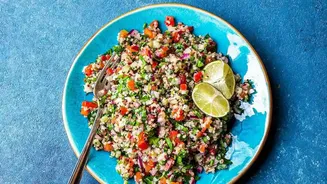
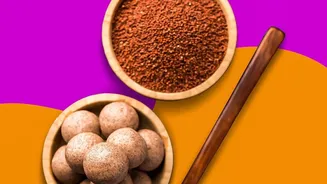
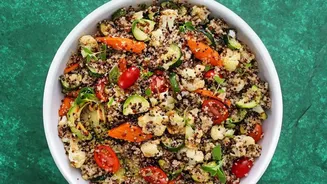
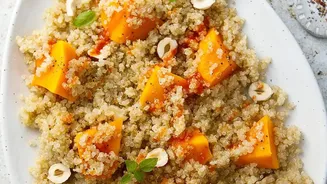
Here, familiarity plays a big role. Ragi has been a part of Indian cuisine for centuries. It's most commonly used in flour form to make ragi mudde (balls), rotis, dosas, and healthy porridge for babies and adults alike. Its earthy flavour is a staple in many households. Quinoa has a milder, nuttier taste and a slightly different texture. It's often used as a substitute for rice, in salads, soups, and breakfast bowls. While versatile, cooking with quinoa might feel less intuitive for those accustomed to traditional Indian cooking methods. Millets like ragi often blend more seamlessly into existing meal habits, such as by mixing ragi flour into regular atta for rotis.
The Price and Planet Factor
This is where the comparison becomes starkly one-sided in an Indian context. Ragi is a locally grown, sustainable crop that is well-suited to India's climate. It's a drought-resistant plant that doesn't require extensive resources. As a result, it is significantly more affordable, with prices often ranging from Rs 60 to 120 per kilogram. Quinoa, being primarily imported from South America, comes with a much higher price tag, often costing four to five times more than ragi. Its global demand has also raised environmental concerns related to water usage in arid growing regions and the carbon footprint of long-distance transportation. Choosing a local grain like ragi supports Indian farmers and is a more sustainable and budget-friendly option.