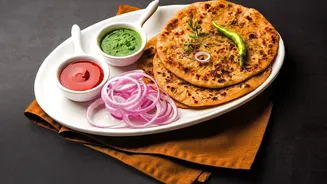




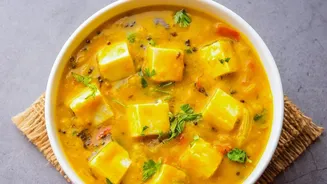


There's nothing quite like a hot, homemade paratha, and the Vegetable Paneer Reshmi Paratha is a true standout. 'Reshmi,' meaning silky, perfectly describes its soft, melt-in-your-mouth texture that promises a delightful culinary experience.
The Secret to a 'Reshmi' Dough
The magic
of a 'reshmi' paratha lies in its exceptionally soft and pliable dough. Unlike standard roti dough, this version is often enriched to achieve its signature texture. For the ultimate softness, some recipes incorporate ingredients like milk, cream, or even boiled and mashed potatoes into the flour. To start, combine two cups of whole wheat flour (atta) with a pinch of salt. Add a tablespoon of ghee or oil, which helps create a tender crumb. Gradually pour in warm water while kneading for about 10-15 minutes until the dough is smooth and elastic but not sticky. An essential step is to let the dough rest, covered with a damp cloth, for at least 20-30 minutes. This allows the gluten to relax, making the dough more flexible and preventing it from tearing when you roll it.
Crafting the Flavourful Filling
A great paratha needs a spectacular filling. For this recipe, the combination of fresh paneer and finely chopped vegetables creates a balanced and delicious heart. Begin by crumbling or grating about 200 grams of fresh paneer. To this, add your choice of finely minced vegetables. Onions, carrots, capsicum, and even greens like spinach can be used. One key to success is ensuring the filling is not too moist, as excess water can cause the paratha to break. If using onions, consider adding them just before you stuff the parathas to prevent them from releasing water. For flavour, mix in spices like garam masala, cumin powder, red chilli powder, and amchur (dry mango powder) for a tangy kick. Finely chopped green chillies and fresh coriander leaves will add a fresh, vibrant finish. Mix everything thoroughly until well combined.
Assembling and Rolling Without Tearing
The most intimidating step for many is stuffing and rolling the paratha without it bursting. The trick is a combination of technique and patience. Divide the rested dough and the cooled filling into equal-sized portions. Take a ball of dough, flatten it, and roll it into a small circle of about 4 inches. Place a portion of the filling in the centre, being careful not to overstuff. A good rule of thumb is to use about a tablespoon of filling for a golf-ball-sized piece of dough. Gather the edges of the dough and bring them to the centre, pleating as you go to seal the filling completely. Pinch off any excess dough at the top to avoid a thick, doughy centre. Gently flatten the stuffed ball with your palm. Lightly flour your rolling surface and, using gentle, even pressure, roll the paratha from the centre outwards. Rotate the paratha as you roll to ensure an even thickness.
Cooking to Golden Perfection
Proper cooking is the final step to achieving a paratha that is crispy on the outside and soft on the inside. Heat a tawa or flat skillet over medium heat. Place the rolled paratha on the hot tawa and cook for about 30–60 seconds, or until small bubbles start to appear. Flip it over and apply a little ghee or oil to the half–cooked side. Flip it again and apply ghee to the other side. Gently press down on the paratha with a spatula, especially around the edges, to help it cook evenly and puff up. Continue to flip and cook until both sides are golden brown with some beautiful crispy spots. Each paratha should take about 3–4 minutes to cook completely.
Perfect Pairings: Yoghurt and Chutney
While these Vegetable Paneer Reshmi Parathas are delicious on their own, serving them with the right accompaniment elevates the meal. A simple bowl of plain yoghurt or a cooling raita, like a cucumber or onion raita, provides a refreshing contrast to the spiced filling. For a burst of flavour, a fresh chutney is an excellent choice. A classic coriander–mint chutney offers a bright, herbaceous kick that cuts through the richness of the paratha. For something a little different, a tangy tomato and onion chutney or a sweet and sour tamarind and jaggery chutney also pairs wonderfully with the savoury paneer.