





What Exactly Is a Biscoff Iced Latte?
At its heart, the Biscoff iced latte is a simple but decadent creation. It blends strong espresso with cold milk and, the star ingredient, Lotus Biscoff spread. This spread, also known as cookie butter, is made from crushed Biscoff biscuits, which are
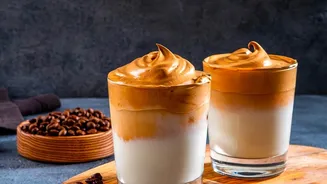
thin, crispy caramelised cookies with notes of cinnamon and other spices. The spread is melted into the espresso, then combined with milk and poured over ice. The result is a creamy, sweet, and richly textured drink that tastes like a spiced caramel cookie in liquid form. Its visual appeal, often featuring a drizzle of melted spread clinging to the glass and a frothy top, has made it a darling of social media platforms and a popular item in cafes across India and the world.
The Rise of a Social Media Sensation
The Biscoff latte didn't just appear in cafes overnight; it was propelled by a wave of online enthusiasm. Visually striking and easy to replicate at home, it became the perfect subject for TikTok videos and Instagram Reels. Food bloggers and influencers showcased their own versions, each more elaborate than the last, complete with decorative drizzles and crumbles of the iconic cookie. This viral fame tapped into an existing cult following for Biscoff products themselves. The growing coffee culture in India, especially among younger generations who see coffee as a lifestyle beverage, provided the perfect environment for this trend to flourish. It represents a shift towards more experiential and flavourful coffee drinks that go beyond the traditional cup.
A Look Inside the Calorie Jar
Here's where we get to the heart of the matter. While delicious, the Biscoff iced latte packs a significant caloric and sugar punch, placing it firmly in the dessert category. The main contributor is the Biscoff spread itself. Just two tablespoons of the smooth spread can contain around 175 calories, over 11 grams of fat, and more than 10 grams of sugar. When you combine that with whole milk and potentially any extra sweeteners like maple or caramel syrup, which many recipes include, a single serving can easily surpass 350-400 calories. To put that in perspective, that's more calories than some chocolate bars and nearly as much as a slice of cake. It's a far cry from a standard black coffee or even a simple milk latte, which are much lower in sugar and calories.
Not a Villain, Just a Treat
Understanding the nutritional profile isn't about labelling the drink as "bad." Instead, it’s about context and mindful consumption. The headline says it best: this is a dessert-like coffee, not an everyday nutrition upgrade. Thinking of the Biscoff iced latte as a special indulgence, like having a milkshake or a slice of cheesecake, is a healthier approach. It's a fantastic choice for a weekend brunch, a celebratory treat, or a comforting pick-me-up on a tough day. The issue only arises when such a high-sugar, high-calorie drink becomes a daily habit under the guise of being a simple coffee. Enjoying it for what it is—a delicious, dessert-style beverage—allows you to savour it without guilt or misconception.
Making a Smarter Version at Home
One of the best parts about this drink's popularity is that it’s easy to make at home, which also means you can control the ingredients. For a lighter version, consider a few simple tweaks. Use just one tablespoon of Biscoff spread instead of two to get the flavour with fewer calories. Opt for skimmed or unsweetened plant-based milk to reduce the overall fat and calorie content. Skip any additional sweeteners; the cookie butter already provides plenty of sweetness. You could also simply use a sprinkle of Biscoff cookie crumbs on top of a standard iced latte for that signature flavour without mixing the calorie-dense spread into the entire drink. These small adjustments can help you enjoy the essence of the Biscoff latte more regularly without overdoing it.