








The End of the Endless Scroll?
For years, the prevailing wisdom was that streaming services had won the war for eyeballs, especially among younger audiences. The convenience of at-home viewing seemed unbeatable. However, a cultural shift is underway, driven by what many are calling
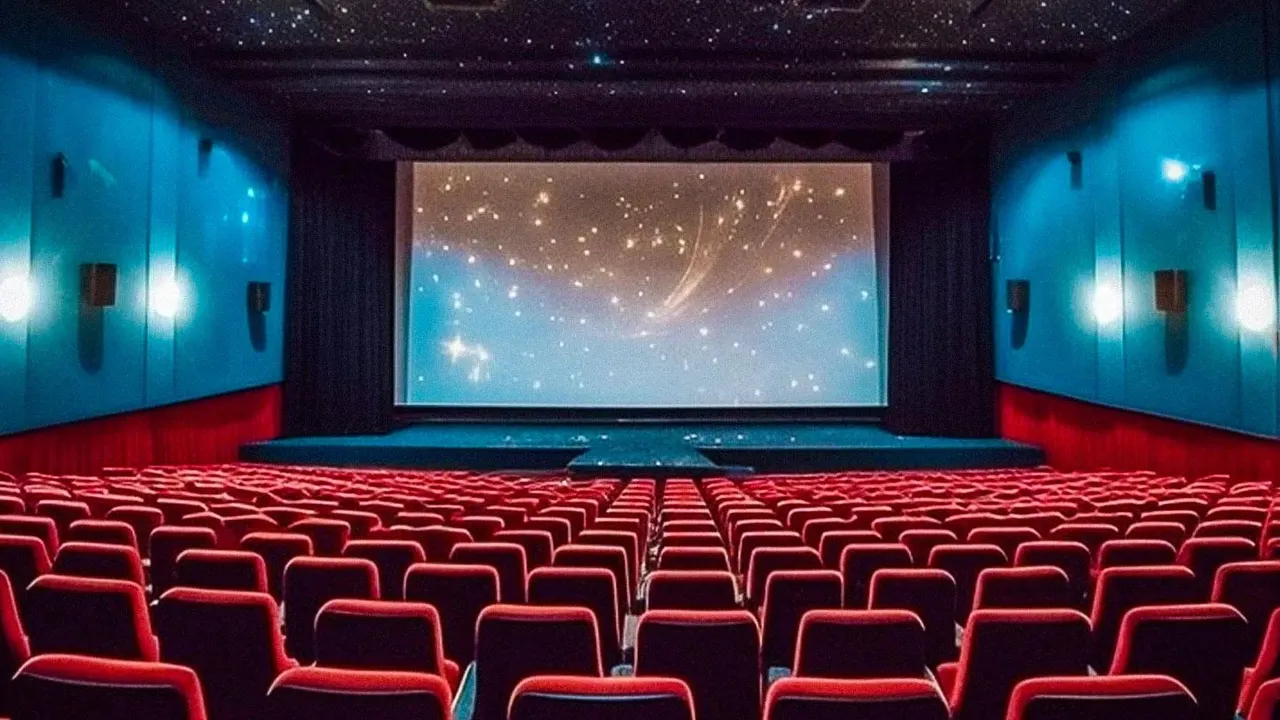
'digital fatigue'. Gen Z, the first generation to grow up entirely online, is reporting high levels of exhaustion from constant connectivity. Studies show this demographic spends upwards of nine hours a day on screens, leading to burnout and a newly coined term: 'bed rot', where young adults opt to stay in and scroll rather than engage with the outside world. In a paradoxical twist, this digital saturation is making the old-school cinema experience feel new and essential again. The movie theater offers a rare opportunity to disconnect, a 'distraction-free zone' where phones are put away and a single story commands collective attention.
Cinema as a Social Lifeline
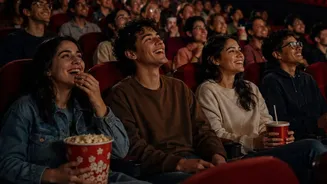
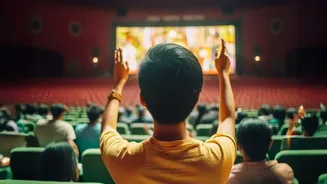
The return to theaters is not just about the movies themselves; it's about the shared experience. For a cohort often labeled the 'loneliest generation', the cinema has become a vital third space for social gathering. Recent studies reveal that Gen Z is now the most active moviegoing demographic. One Fandango survey found that 87% of Gen Zers had seen a movie in theaters in the past year, outpacing every other generation, including millennials (82%) and baby boomers (58%). The motivation is distinctly social. Unlike older generations who may see cinema as an escape, Gen Z treats it as a planned social event. They prefer going with friends, and a staggering 92% pair the movie with another social activity like dinner or drinks, turning a simple screening into a full night out.
The 'Experience Economy' Takes Hold
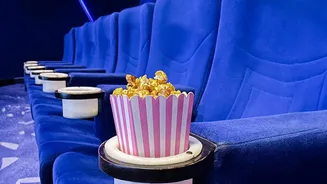
This trend is part of a broader shift toward an 'experience economy', where younger consumers prioritize memories and events over material possessions. The cinema experience fits perfectly into this mindset. It's an intentional act that requires planning and commitment, making it feel more valuable than passively streaming at home. Theaters are leaning into this by offering more than just a film. Premium formats like IMAX and Dolby, immersive 7D experiences, dine-in services with themed cocktails, and even limited-edition merchandise like collectible popcorn buckets are transforming theaters into event destinations. Young audiences are willing to pay more for these enhanced, 'Instagrammable' experiences that feel unique and culturally relevant.
Fueling the Cultural Conversation
Social media, once seen as the cinema's biggest threat, has ironically become one of its most powerful drivers. Major blockbusters and must-see films become cultural moments that Gen Z feels compelled to participate in to stay relevant in online conversations. The entire life cycle of a film plays out across platforms like TikTok and Letterboxd, where discussion, reviews, and memes create a sense of community. Watching a film in its opening week is no longer just about avoiding spoilers; it's about being part of a global conversation in real time. This social feedback loop—seeing the movie, posting about it, and debating it with friends online—turns a two-hour film into a multi-day social event.