






Why Building Access is Non-Negotiable
That beautiful view and functional facade don't maintain themselves. Building management, whether for a condominium or a rental apartment, has a legal and practical responsibility to maintain the building's exterior. This includes routine tasks like window
washing, facade inspections for structural integrity, and periodic repairs to prevent issues like water damage. In many regions, there are specific laws requiring periodic inspections of exterior structures like balconies to ensure they are safe. For these tasks, workers often need unobstructed access via scaffolding, ropes, or lifts. A balcony filled with heavy pots, permanent structures, or dense trellises can physically block this access, creating delays, increasing costs, and posing safety risks for maintenance crews. Because the balcony is considered part of the building's exterior shell, landlords and building associations typically have the right to access it for necessary work, provided they give appropriate notice.
First Step: Understand Your Building's Bylaws
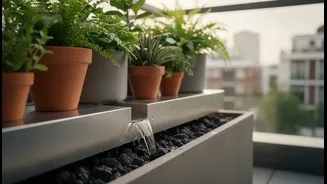
Before you buy a single pot or bag of soil, your first stop should be your building's rulebook. Whether it's a rental agreement or a homeowner's association (HOA) covenant, this document is your guide. These rules are not arbitrary; they are designed to ensure safety, structural integrity, and fairness for all residents. Look for specific clauses related to balconies. Common restrictions include weight limits to prevent structural strain, rules against permanent fixtures that cannot be easily removed, and regulations about drainage to prevent water from running onto balconies below. Some buildings may have blanket prohibitions on hanging items from railings or attaching anything to the building's facade. Understanding these rules upfront can save you significant time, money, and potential disputes with management down the line. If the rules seem unclear, don't guess. A quick query to your property manager or HOA board can provide the clarity you need.
Design a Garden That Moves
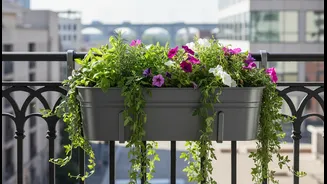
The key to a successful and compliant balcony garden is mobility. When you receive that notice for window cleaning or facade inspection, you want the process of clearing your balcony to be a minor inconvenience, not an impossible task. Start by choosing lightweight containers. Fabric grow bags, plastic pots, or fibreglass planters are much lighter than traditional ceramic or terracotta. For heavier pots, place them on wheeled plant caddies or dollies. This is a game-changer, allowing you to roll even large plants out of the way with minimal effort. Instead of building permanent, fixed shelves, consider freestanding, modular shelving units that can be disassembled or moved. Vertical planters that hang from a movable frame rather than being drilled into a wall are another excellent option. This approach allows you to enjoy a lush, multi-layered garden that can be quickly consolidated or moved indoors when access is required.
Smart Plant Choices for Easy Maintenance
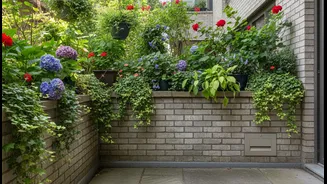
The plants you choose can also make a significant difference. Avoid aggressive climbing vines that might latch onto the building's brickwork or railings, as these can be difficult to remove and may damage surfaces. Instead, opt for plants that are well-suited to container life and can be easily pruned. Consider compact herbs, leafy greens, and flowering annuals that provide colour and life without becoming permanent fixtures. If you love the look of vines, train them up a freestanding trellis that you can move as a single unit. Also, be mindful of how your plants affect your neighbours. Ensure proper drainage by using saucers under every pot to catch runoff and prevent water from dripping onto the balcony below. This small courtesy can go a long way in maintaining good relationships within the building community.