






The Whole Grain Difference
To understand the power of steel-cut oats, it’s important to first understand what makes a whole grain special. A whole grain contains all three parts of the original kernel: the bran, the germ, and the endosperm. The bran provides fiber, the germ holds
healthy fats and vitamins, and the endosperm contains starch. Refined grains, like white flour, have the bran and germ removed, which strips away much of the fiber and nutrients. Steel-cut oats are a perfect example of a whole grain in its minimally processed form. The oat kernel is simply chopped into a few pieces with steel blades, leaving its nutritional integrity largely intact. This is a stark contrast to instant oats, which are steamed, flattened, and pre-cooked, making them quicker to digest.
A Champion for Stable Energy
The minimal processing of steel-cut oats is the secret to their biggest advantage: a lower glycemic index (GI). Foods with a low GI release sugar into the bloodstream more slowly, providing a steadier supply of energy and preventing the sharp spikes and crashes associated with high-GI foods like instant oatmeal or sugary cereals. The glycemic index for steel-cut oats is around 53, while instant oats can jump as high as 83—a level comparable to white bread. This slow energy release not only helps with blood sugar management but also promotes a longer feeling of fullness, which can aid in weight management. The high fiber content, particularly a soluble fiber called beta-glucan, also contributes to heart health by helping to lower cholesterol.
Cooking Perfect Steel-Cut Oats
The one trade-off for the nutritional benefits of steel-cut oats is a longer cooking time—typically around 20-30 minutes on the stovetop. While this might seem daunting on a busy morning, a little planning makes it simple. For a classic stovetop method, bring four parts water to a boil, add one part oats and a pinch of salt, then reduce the heat and simmer, stirring occasionally, until the oats are tender and have absorbed most of the liquid. For an even easier approach, try the overnight method: bring the water and oats to a boil for one minute, then turn off the heat, cover the pot, and let it sit overnight. In the morning, a quick 10-minute reheat is all you need. Making a large batch at the start of the week is another popular meal-prep strategy.
Building a Truly Balanced Bowl
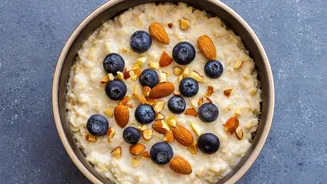
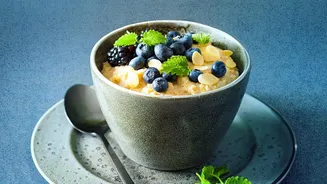
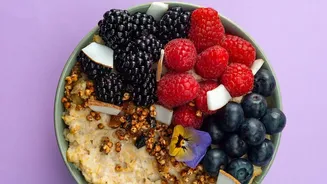
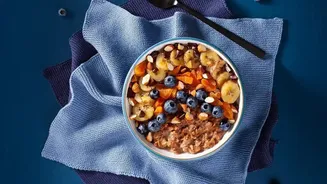
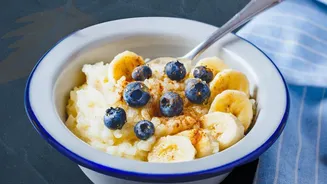
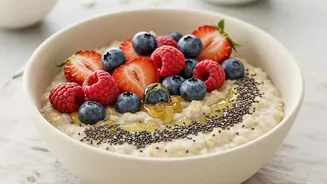
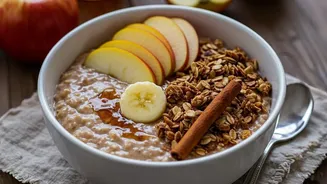
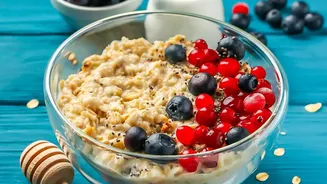
While steel-cut oats provide an excellent foundation of complex carbohydrates and fiber, a truly balanced breakfast requires a few more elements. To make your oatmeal bowl a complete meal, focus on adding sources of protein and healthy fats. These additions will further slow digestion, increase satiety, and provide a wider range of essential nutrients. Think beyond a simple sprinkle of brown sugar. A scoop of Greek yogurt or a swirl of peanut butter can add a significant protein boost. Nuts like almonds and walnuts, or seeds like chia and flax, provide both healthy fats and extra fiber. Fresh or frozen berries offer natural sweetness and a dose of antioxidants, while a sprinkle of cinnamon can help with flavour and blood sugar regulation.
Creative Topping Combinations
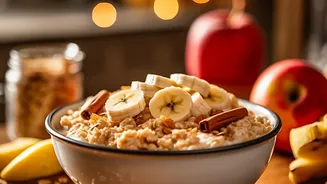
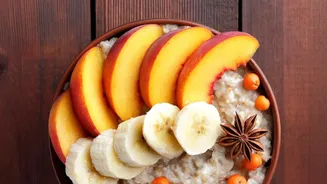
Moving beyond basic additions can keep your breakfast interesting and nutritionally diverse. Try pairing different flavours and textures to find your perfect bowl. For a protein-packed and flavourful option, mix in a scoop of protein powder and top with sliced banana and a drizzle of honey. Another great combination is diced apple, a sprinkle of apple pie spice, and a handful of toasted pecans. For a savoury twist, consider cooking the oats in broth instead of water and topping them with a fried egg, some sautéed spinach, and a dash of hot sauce. Don't be afraid to experiment with different fruits, nuts, spices, and even vegetables to create a breakfast that you will look forward to every morning.