

The Hidden Sodium in Office Snacks
That packet of namkeen, instant noodles, or even seemingly innocent biscuits and store-bought sandwiches can be packed with sodium. While you may not add much salt at the table, over 70% of dietary sodium comes from packaged and processed foods. In India,
the average daily salt intake is estimated to be around 8 grams, far exceeding the World Health Organisation's recommendation of 5 grams per day. Common office snacks are major culprits. A single serving of instant noodles can contain over 1,500 mg of sodium, while a plate of street-food style chaat or pav bhaji can easily surpass the entire daily recommended limit. Even items that don't taste particularly salty, like bread and biscuits, contribute significantly to our daily sodium load. This silent overload can lead to everything from immediate effects like bloating and water retention to long-term health complications.
Why Less Salt Matters for Your Health
Consuming too much sodium forces your body to retain water, which increases blood volume and, consequently, your blood pressure. Over time, this sustained high blood pressure can strain your heart, arteries, and kidneys, significantly increasing your risk for heart disease, stroke, and kidney disease. Reducing your sodium intake can have profound benefits. It helps lower blood pressure, reduces the risk of cardiovascular events, builds stronger bones by preventing calcium loss, and decreases strain on your kidneys. A lower-sodium diet is a simple yet powerful public health tool, with studies showing that even modest national salt reduction programs lead to significant decreases in deaths from stroke and heart disease.
Smart and Savoury Unsalted Swaps
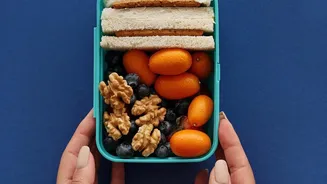
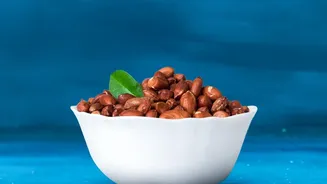
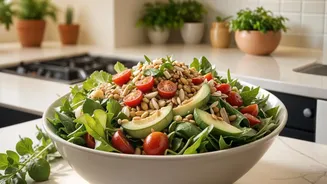
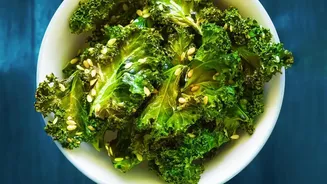
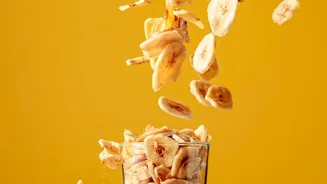
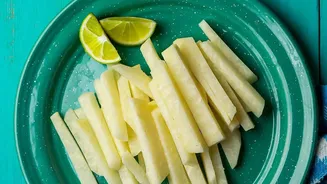
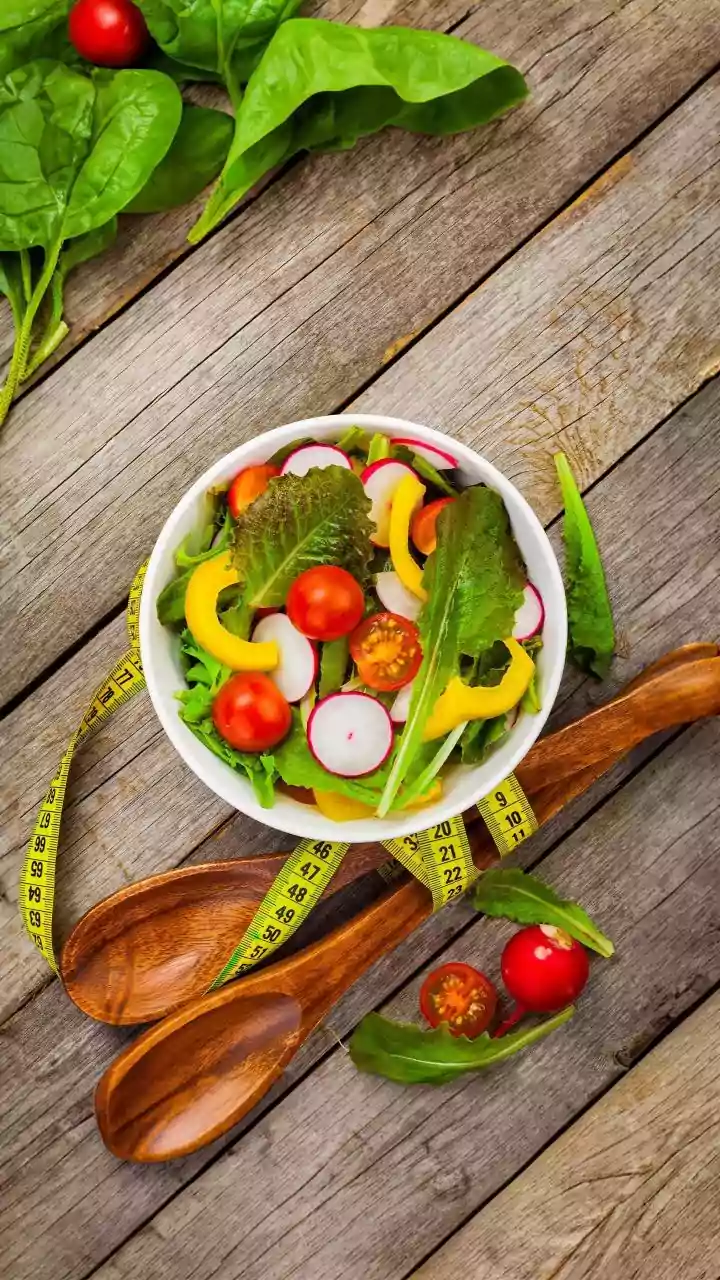
Making a change doesn't mean your snacks have to be boring. The key is to swap processed, high-sodium options for fresh, whole foods. Here are some easy and delicious ideas perfect for the office: - Fresh Fruits: A banana, apple, or a bowl of seasonal fruits is naturally low in sodium and packed with vitamins. - Unsalted Nuts and Seeds: A small handful of almonds, walnuts, or pumpkin seeds provides healthy fats and protein to keep you full. Just be sure to buy the unsalted varieties. - Vegetable Sticks with Dip: Crunchy cucumber and carrot sticks are refreshing and hydrating. Pair them with a homemade dip made from yogurt, garlic, and herbs instead of a salty store-bought version. - Roasted Makhana (Fox Nuts): These are light, crunchy, and naturally low in sodium. Roast them at home and season with a pinch of black pepper or turmeric for a satisfying crunch. - Sprouts Chaat: A mix of boiled sprouts with chopped onion, tomato, and a squeeze of lemon juice makes for a protein-packed, refreshing snack. Go easy on the chaat masala, which can be high in salt, or make your own blend.
Retraining Your Palate for Less Salt
If you're used to a high-salt diet, unsalted foods might taste bland at first. However, your taste buds can adapt over a few weeks. Instead of reaching for the salt shaker, experiment with other flavour enhancers. A squeeze of fresh lemon or lime juice can brighten up almost any dish, adding a burst of flavour without any sodium. Don't underestimate the power of herbs and spices. Fresh coriander, mint, and dried spices like cumin, turmeric, and black pepper can add complexity and depth to your snacks and meals. Making your own spice blends at home is a great way to control the salt content while still enjoying the flavours you love.
Beyond the Snack Box: A Holistic Approach
Controlling your workday sodium isn't just about snacks; it's about your overall habits. Start by reading food labels on all packaged foods, paying attention to the sodium content per serving—anything with 5% Daily Value or less is considered low sodium. Staying hydrated is also crucial, as drinking enough water helps your body flush out excess sodium. When ordering lunch, ask for sauces and dressings on the side, and request that your meal be prepared with less salt. Cooking more of your meals at home is the most effective way to control your sodium intake, as restaurant and takeaway foods are often loaded with salt. By being mindful of these hidden sources, you can take meaningful steps to reduce your overall sodium consumption.