




The Wisdom in Ancient Kitchens
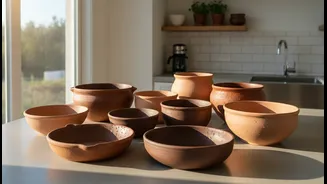
Before modern food science and industrial processing, kitchens were laboratories of innovation. Our ancestors didn't have fortified flours or vitamin supplements; instead, they developed sophisticated techniques to get the most out of their ingredients.
While modern processing often strips food of its value, these ancient methods did the opposite, unlocking nutrients, neutralizing toxins, and enhancing flavour in ways we are only now beginning to appreciate again. These weren't just recipes; they were a form of science, passed down through generations, ensuring survival and health.
Unlocking the Power of Corn
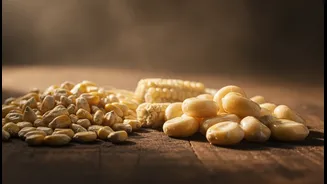
The technique at the heart of this story is called nixtamalization. Developed in Mesoamerica by civilizations like the Maya and Aztec thousands of years ago, this process was revolutionary. It involves soaking and cooking dried maize (corn) in an alkaline solution, usually water mixed with food-grade lime (calcium hydroxide) or wood ash. After cooking and steeping, the corn is rinsed and then ground into a dough called masa. This wasn't just an extra step; it was the essential key that turned corn from a simple crop into the foundation of entire civilizations, preventing malnutrition and creating iconic foods like tortillas and tamales.
The Science of Transformation
The magic of nixtamalization lies in its chemistry. The alkaline solution works on multiple levels. First, it breaks down the tough outer hull of the corn kernel, making it much easier to grind. More importantly, it triggers a series of chemical changes that increase the corn's nutritional value. The process unlocks niacin (vitamin B3), making it bioavailable for the human body to absorb. Without this step, a diet heavily reliant on untreated corn could lead to pellagra, a severe niacin-deficiency disease that plagued populations who adopted corn without adopting the technique. The process also improves protein quality, adds calcium from the lime, and can reduce harmful fungal toxins called mycotoxins by up to 97%.
A Revolution in Taste and Texture
Beyond its health benefits, nixtamalization is a culinary game-changer. Anyone who has tasted a tortilla made from fresh masa can attest to its superior flavour. The process creates a deep, earthy, and slightly sweet corn aroma that is impossible to replicate with simple cornmeal. It also fundamentally changes the corn's texture. The starches become gelatinized in a way that creates a pliable, cohesive dough that can be shaped and cooked without crumbling. This is why authentic tortillas are soft and flexible, capable of holding fillings, while those made from industrially processed corn flour are often brittle and bland.
A Global Principle of Smart Cooking
While nixtamalization is specific to maize, the underlying principle of using a process to transform a grain is universal. Many cultures have similar traditions. In India, for example, the fermentation of rice and lentils to create the batter for idli and dosa is a perfect parallel. This process doesn't just create the beloved sour taste and soft texture; it also breaks down complex starches, increases the bioavailability of nutrients, and makes the food easier to digest. Like nixtamalization, it is a form of ancient wisdom that uses microbiology to enhance both nutrition and flavour, demonstrating a shared global heritage of smart, traditional food processing.
The Modern Revival of Ancient Ways
After decades of being overlooked in favour of faster industrial methods, nixtamalization is making a comeback. A growing number of chefs and artisan food producers are rediscovering this ancient technique, not for nostalgia, but for its superior results. They are choosing to nixtamalize corn in-house to create products with authentic flavour, better texture, and a cleaner nutritional profile, free from the additives and preservatives found in many mass-produced items. This movement represents a shift away from industrial shortcuts and a return to valuing the time and care that go into making truly good food.