






Start with a Food Audit
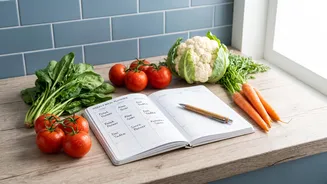
Before you write another shopping list, become an observer in your own home. For one week, pay close attention to what actually gets eaten and what gets thrown away. Keep a simple note on your phone or a notepad on the counter. Did the kids devour the apples
but ignore the pears? Was the extra bunch of coriander left to wilt? This isn't about judgment; it's about gathering data. Note the 'dead stock' items in your pantry—foods that have been sitting there for months, untouched. This simple audit gives you an honest snapshot of your household's true preferences and consumption patterns, which is the foundation for a smarter grocery plan.
Shop Your Pantry First
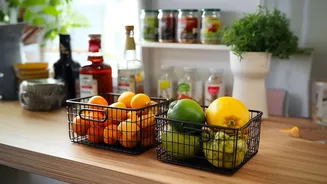
Your kitchen is likely already stocked with meal components. The next step is to conduct a pantry inventory before you even think about heading to the store. You don't need to empty every cupboard at once. Start with one zone, like grains and canned goods, and see what you have. Group items into categories: what's ready to use, what needs to be used soon, and what can be donated. This process helps you build your weekly meal plan around ingredients you already own, preventing you from buying duplicates and ensuring older items get used first. It turns your grocery list from a wish list into a targeted list of only what’s genuinely missing.
Build a 'Core Meals' Roster
Every family has a set of go-to meals they genuinely enjoy. Instead of trying to reinvent the wheel every week, identify five to seven of these core dishes that are consistently a success. This could be anything from a simple dal and rice to chicken stir-fry or pasta. Write these meals down and keep the list handy. This roster becomes the backbone of your meal plan. It simplifies decision-making on busy weeknights and ensures you always have the ingredients for a guaranteed win. Once you have your core meals, you can sprinkle in one or two new recipes to keep things interesting without overhauling your entire routine.
Plan for Real Life, Not an Ideal One
An overly ambitious meal plan is destined to fail. Look at your weekly schedule and be realistic. If Tuesdays are packed with after-school activities, that's not the night to attempt a complex new recipe. Pencil in an easy 'core meal' or plan for leftovers. Speaking of which, 'planned-overs' are a strategic way to save time and money. Cook double portions of a meal and you've already sorted lunch or dinner for the next day. It's also wise to build flexibility into your plan; include a 'use it up' night for random leftovers or a simple 'breakfast for dinner' option as a backup. A plan that accommodates real-life chaos is a plan you can stick to.
Shop with a Flexible, Organized List
With your audit done and meal plan in hand, it's time to create your shopping list. This list is your most powerful tool against impulse buys and food waste. Organize your list by category according to the store's layout—produce, dairy, grains, etc.—to make your trip more efficient and avoid wandering into aisles you don't need. While sticking to the list is key, allow for smart flexibility. If a different vegetable is on sale, or a preferred brand is out of stock, you can make a substitution without derailing your entire plan. The goal is to be focused, not rigid. This approach ensures you get everything you need, and nothing you don't.
Use Leftovers Creatively
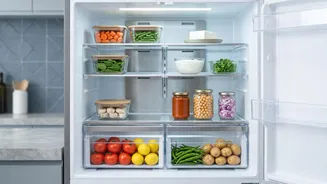
Thinking of leftovers as 'ingredients' rather than just 'leftovers' can transform them from a chore into an opportunity. That extra rice can become fried rice or rice pudding. Leftover cooked vegetables can be blended into a pasta sauce, turned into a frittata, or added to a soup. Roast chicken can be repurposed for sandwiches, salads, or quesadillas. Designating one night a week as 'leftovers night' can help clear out the fridge before your next grocery run. By giving leftovers a second life, you stretch your food budget further and ensure that the food you took the time to buy and cook actually gets eaten.