









The Challenge of the AI Boom
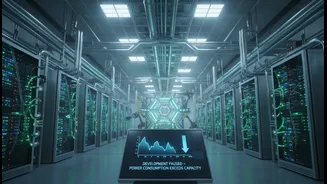
The rapid expansion of artificial intelligence has set off a wave of development, particularly in the construction of massive data centers needed to power AI models. While this brings investment and signals technological progress, it also places immense
strain on local resources. Communities often face skyrocketing energy and water consumption, driving up utility bills for residents. In July 2026, reports showed nearly 12,000 megawatts of data center load requests were in New York's interconnection queue, highlighting the accelerating demand. This growth has sparked concerns that everyday New Yorkers could end up footing the bill for infrastructure upgrades benefiting large tech corporations, without seeing proportional local benefits.
New York Hits the Pause Button
In a first-of-its-kind move in the U.S., Governor Kathy Hochul signed an executive order on July 14, 2026, placing a temporary moratorium on new "hyperscale" data centers. This one-year pause applies to facilities with an electrical capacity of over 50 megawatts and is designed to give the state time to create a comprehensive framework for future development. The goal is to establish stronger standards for environmental impacts, energy use, and land disruption before more of these massive facilities are built. The move signals a major policy shift, moving regulation from the local level to a statewide strategy and potentially setting a precedent for other states grappling with the same issues.
Defining Community Value
So, what does "leaving more value" actually look like? As part of the new initiative, New York's Empire State Development (ESD) is tasked with creating a Community Investment Framework. This will serve as a blueprint for local governments to negotiate benefits with data center developers. The framework emphasizes several key areas: ensuring developers contribute to grid improvements so costs aren't passed to ratepayers, supporting local infrastructure projects, and investing in community needs like child care. Furthermore, it aims to guarantee that construction and operation jobs come with fair wages and prioritize local hiring, apprenticeships, and workforce development programs.
Fostering an AI Ecosystem for All
New York's strategy isn't just about data centers; it's a broader effort to build an equitable AI ecosystem. Initiatives like Empire AI, a $400 million public-private consortium, aim to democratize access to AI computing resources for research in the public interest, countering the concentration of power in a few large tech firms. At the city level, the NYC Economic Development Corporation (NYCEDC) launched the "NYC AI Nexus" to help small and medium-sized businesses adopt AI tools. This is paired with AI literacy programs in public libraries to ensure all New Yorkers have the skills to participate in an AI-driven economy, aiming to close, rather than widen, workforce equity gaps.
The Debate Over Innovation
Predictably, the moratorium has sparked debate. Proponents, including environmental groups, praise the move for protecting residents from rising utility costs and ensuring that development is sustainable. However, some critics argue that such regulations could stifle innovation and drive investment to other states. They contend that a heavy-handed approach could cause New York to miss out on the economic stimulus provided by the booming AI sector, which is projected to see trillions in investment over the next few years. Governor Hochul has countered that the pause is temporary and that data centers should only be built in communities that want them and are prepared for the impact, stressing that the state can lead in both innovation and community protection.