


A Familiar Form, A Distant Origin
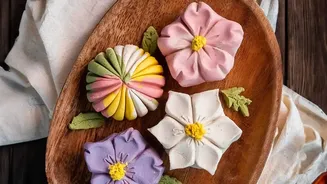
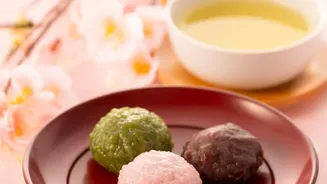
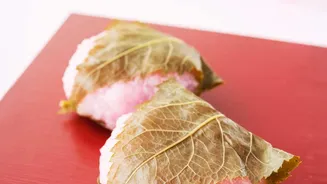
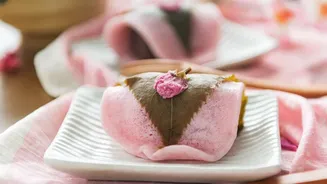
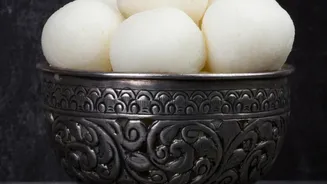
The sweet in question is Mochi, a traditional Japanese confection that has seen a global surge in popularity, including in India. Mochi is a rice cake made from mochigome, a short-grain glutinous rice. The rice is steamed, pounded into a smooth, elastic
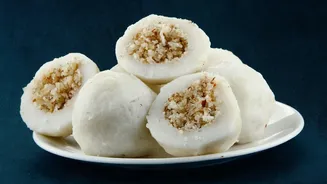
dough, and then moulded into its characteristic round shape. This process, known as mochitsuki, is a centuries-old tradition in itself. To many Indians, its soft, pillowy appearance is strikingly similar to sweets like the Maharashtrian Modak or the South Indian Kozhukattai, both of which are beloved rice-flour dumplings.
The Heartbeat of Japanese Tradition
In Japan, Mochi is far more than just a dessert; it is a food deeply embedded in cultural and spiritual life. Its history dates back over a thousand years, with origins in the Heian period (794-1185). It is most famously associated with Japanese New Year (Oshogatsu), where it is eaten to wish for good fortune, longevity, and family unity in the year ahead. The sticky, stretchable nature of Mochi is seen as symbolic of strong family bonds. During New Year celebrations, families and communities often gather for mochitsuki, the ceremonial pounding of rice, which reinforces community ties and honours ancestors.
The Indian Doppelgänger
The resemblance that strikes a chord with Indians is primarily with the steamed Modak, or Ukadiche Modak. This sweet is a staple during the Ganesh Chaturthi festival, where it is considered a favourite of Lord Ganesha. Like Mochi, the outer casing of a Modak is made from a steamed rice flour dough, which gives it a soft, delicate texture. The process involves kneading hot rice flour into a pliable dough and shaping it. This parallel in the base ingredient and preparation method is the root of the visual and textural similarity that makes Mochi feel so familiar.
Same Shape, Different Soul
Despite the similar exteriors, the soul of these sweets lies in their fillings, and this is where their paths diverge significantly. Traditional Japanese Mochi, especially in the form of Daifuku, is often filled with 'anko', a sweet paste made from red azuki beans. Modern variations, particularly the mochi ice cream popular in India, come with fillings like matcha, mango, chocolate, and coffee. In contrast, the classic Indian Modak is filled with a fragrant mixture of freshly grated coconut and jaggery, often spiced with cardamom and sometimes nutmeg. This filling provides a distinctly sweet, earthy, and aromatic flavour profile that is quintessentially Indian.
A Global Palate
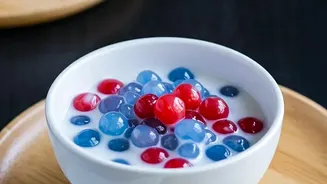
The rising popularity of Mochi in India is a testament to our ever-expanding culinary curiosity, driven by social media and a growing interest in global cuisines. Cafes and dessert parlours across major Indian cities now feature Mochi on their menus, often in the form of colourful mochi ice cream. Some chefs are even creating fusion versions, like a 'Mochi Modak', blending the Japanese technique with Indian flavours. This phenomenon is a wonderful example of culinary convergence, where two distinct cultures independently developed a similar food concept using a common core ingredient—rice. It shows how, no matter where we are in the world, the simple joy of a sweet, chewy dumpling is a universally understood language.