






What is a Swap-Friendly Menu?
A swap-friendly or dynamic menu is not about a complete overhaul every week. Instead, it’s a menu designed with built-in flexibility. This approach allows a kitchen to substitute ingredients in certain dishes based on market availability, seasonality,
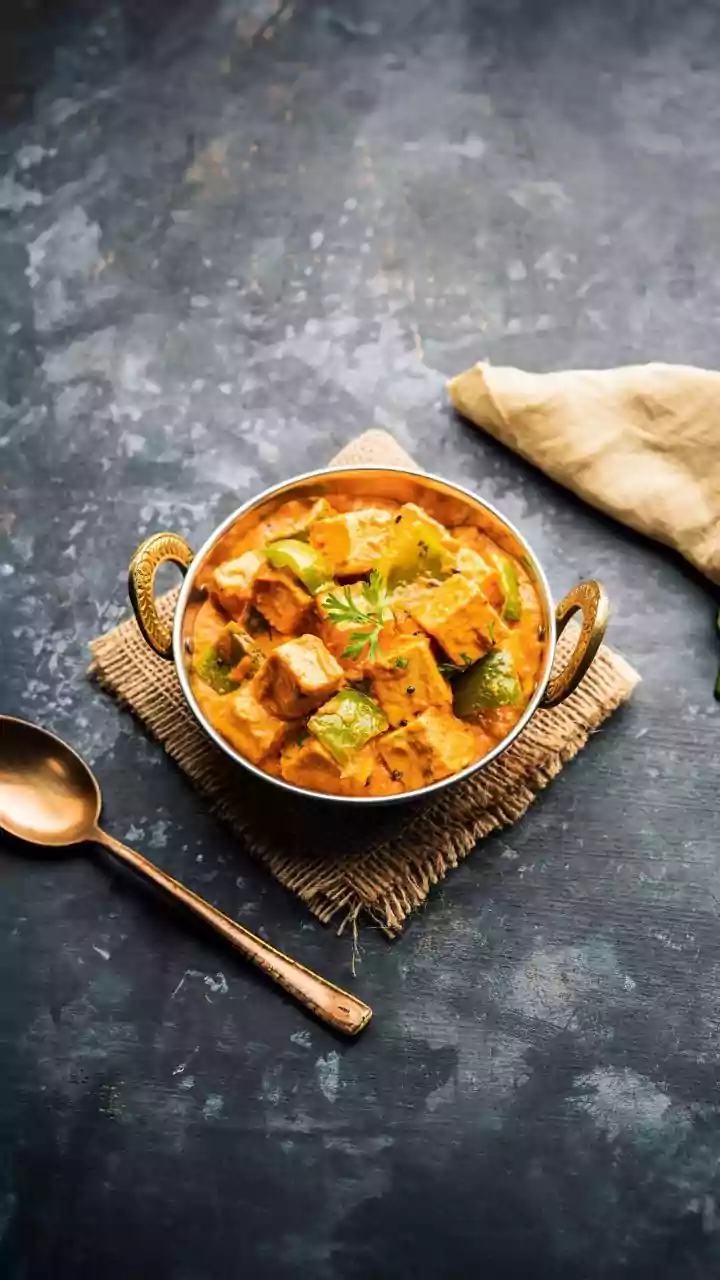
and price, without disrupting the core identity of the menu. For example, instead of a fixed “Palak Paneer,” a flexible menu might offer a “Seasonal Greens with Paneer,” allowing the chef to use fresh, affordable spinach one week and methi or bathua the next. This strategy moves away from rigid recipes towards a more component-based structure, where a dish is conceived as a protein, a seasonal vegetable, and a base grain or sauce. This allows the kitchen to absorb price shocks and take advantage of surplus produce.
The Financial Advantage
The primary benefit of a flexible menu is significant cost control. Food costs typically represent 28-35% of a restaurant's revenue, making any savings in this area impactful. When a key ingredient like tomatoes or onions experiences a sudden price spike, a rigid menu forces a restaurant to either absorb the cost and shrink its margins or pass the price hike to customers, risking sticker shock. A flexible menu provides a third option: pivot to a more affordable, in-season alternative. This proactive approach helps maintain stable profit margins. Furthermore, designing a menu around seasonal availability naturally lowers procurement costs, as seasonal ingredients are abundant and therefore cheaper to source locally. It also helps in reducing food waste, a major drain on profits, as the menu is built to use what is fresh and readily available.
Beyond the Bottom Line
While financial health is crucial, a swap-friendly menu offers benefits that extend to creativity and customer satisfaction. For chefs, it provides an opportunity to innovate and experiment with local, seasonal produce, keeping their work engaging and their creations fresh. This approach also translates into a better dining experience. Customers get to enjoy ingredients at their peak freshness and flavour. A menu that highlights “Fresh Catch of the Day” or “Farmer’s Market Vegetable Stir-Fry” signals a commitment to quality and seasonality, which many diners appreciate. This strategy can become a unique selling proposition, attracting customers who are interested in sustainable and fresh food.
How to Build a Flexible Menu
Implementing a swap-friendly menu requires careful planning. First, identify your 'Star' items—popular and profitable dishes that should remain consistent—and the dishes that can be made flexible. Design these flexible dishes around components rather than specific ingredients. For instance, a 'Daily Dal' can change based on the lentils that are most cost-effective, or a 'Kebab Platter' can feature different vegetable or meat kebabs. The wording on your menu is key. Use descriptive but open-ended terms like “Seasonal Fruit Tart,” “Chef's Vegetable Medley,” or “Today's Special Curry.” This manages customer expectations while giving the kitchen the freedom it needs. Digital menus, which can be updated in seconds, are an excellent tool for this, allowing for real-time price adjustments and daily specials without the cost of reprinting.
Common Pitfalls to Avoid
Shifting to a dynamic menu is not without its challenges. One major hurdle is maintaining consistency. To address this, it's crucial to have standardised base recipes for sauces and spice mixes that can be adapted for different core ingredients. Staff training is also essential. Your kitchen team needs to be comfortable with the variations, and your front-of-house staff must be well-informed to explain the daily or weekly changes to customers confidently. Another potential issue is inventory management. A flexible menu requires close tracking of stock to minimise waste and ensure you have the necessary components for your adaptable dishes. Using a good inventory management system can help forecast demand and track ingredient usage precisely.