





A Sudden, Devastating Surge
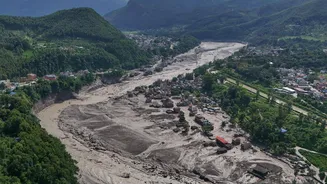
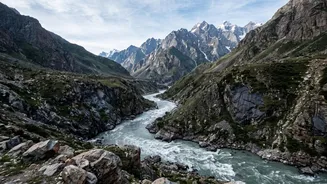
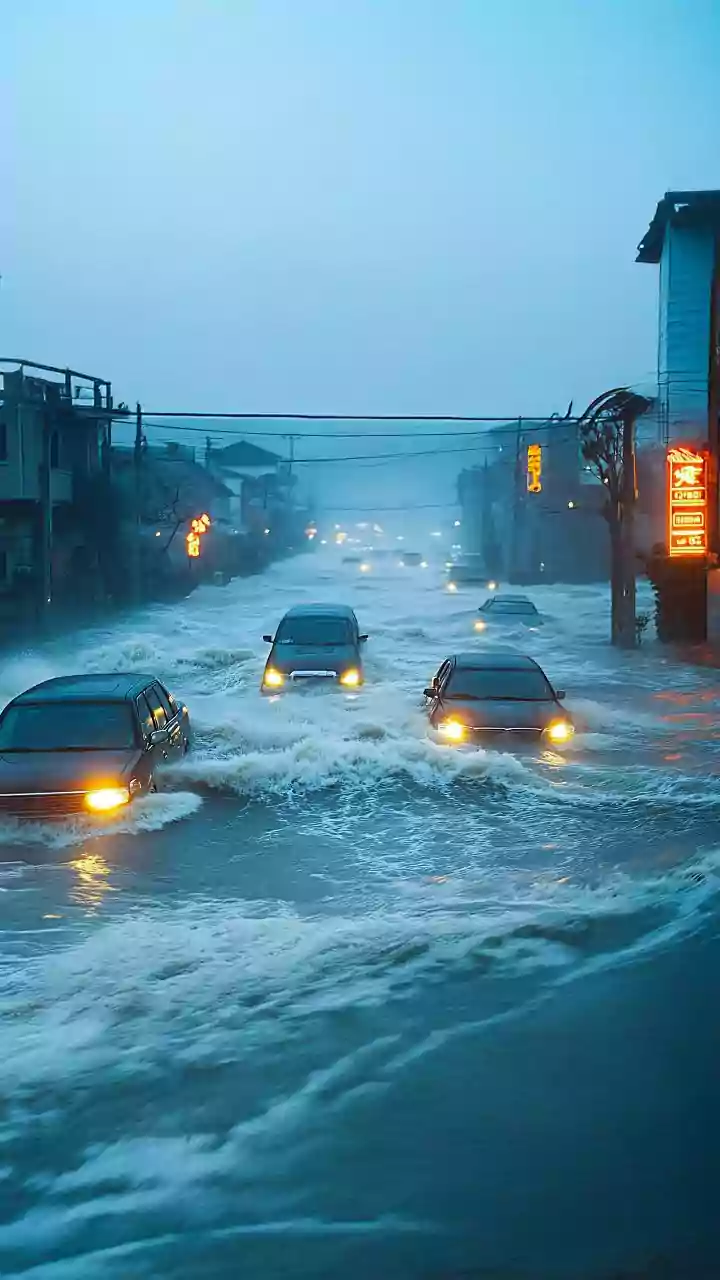
In mid-August 2026, communities along the Bhotekoshi River in Nepal's Rasuwa district were shattered by a sudden and catastrophic flash flood. With little warning, a massive surge of water tore through the valley, washing away homes, roads, bridges, and critical
infrastructure. The event left hundreds dead or missing, triggering a large-scale rescue and recovery operation. For survivors and downstream communities, the immediate shock was quickly followed by an urgent question: where did all that water come from, and could it happen again? The answer, experts believe, lies across the border in Tibet.
The Prime Suspect: A Blockage in Tibet
The primary theory behind the flood points to a massive landslide in the upper reaches of the river system in China. According to information shared by Chinese authorities with Nepal, a significant blockage occurred where the Chochen and Purupu rivers meet the Yarlung Tsangpo. This natural dam, composed of rock and soil, caused water to back up, forming a vast and unstable 'barrier lake'. Nepal's Department of Hydrology and Meteorology issued alerts after satellite analysis confirmed the lake's formation and rapid expansion. By the time it was detected, the lake had already accumulated millions of cubic meters of water, creating immense pressure on the makeshift dam of debris. Scientists believe a partial or full breach of this barrier is what sent the deadly flood wave roaring downstream into Nepal.
The Science of Detection
In the aftermath of such a disaster, piecing together the cause-and-effect chain becomes a critical scientific mission. Researchers and government agencies are employing a range of modern tools to understand what happened. High-resolution satellite imagery from various international providers allows them to map the landslide, measure the size of the barrier lake, and monitor any changes in its water level or the stability of the debris dam. This data is crucial for forecasting the risk of subsequent floods. Hydrologists analyze river flow data from downstream monitoring stations to model how the flood wave traveled and to estimate its peak volume. This work is not just forensic; it's vital for early warning systems. Understanding the mechanics of the breach helps authorities in both Nepal and India prepare for similar events in the future.
A Familiar Himalayan Danger
This event, while tragic, is not an isolated incident. The Himalayas are one of the most geologically active regions on Earth. The same tectonic forces that created the world's tallest mountains also make them incredibly unstable. Events like the 2021 Chamoli disaster in Uttarakhand and previous blockages on the Brahmaputra in 2018 serve as grim reminders of this reality. Scientists point to a cascading risk model: an earthquake or heavy rains can trigger a landslide, which blocks a river, leading to a barrier lake that can burst with little notice. Climate change is amplifying these risks, with melting glaciers destabilizing mountain slopes and increasing the frequency of extreme rainfall events, making the entire region more vulnerable to such disasters.
India's Stake in a Fragile Region
While this disaster's epicenter was in Nepal and China, its implications resonate strongly in India. The Bhotekoshi-Trishuli river system is a major tributary of the Ganges basin, and events upstream directly affect water flow and flood risk downstream. Moreover, the incident highlights the larger anxieties surrounding the Yarlung Tsangpo, which becomes the mighty Brahmaputra in Arunachal Pradesh and Assam. China’s extensive dam-building activities on the river, located in this same seismically active and landslide-prone zone, have long been a source of concern for Indian strategists and environmentalists. They fear that a major geological event could compromise a dam or, as seen here, create a natural one, with potentially catastrophic consequences for millions of people in India's Northeast. This makes cross-border data sharing and scientific cooperation not just a matter of diplomacy, but of survival.