






The Power of the Panel
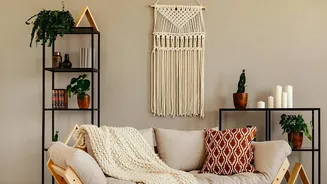
An oversized textile is more than just a piece of fabric; it’s a transformative design element. It can instantly turn a cold, echoing space into a warm, inviting room. The primary benefit is the introduction of softness and texture, something a painted
wall or standard framed print simply cannot replicate. This tactile quality makes a room feel cozier and more comfortable. Functionally, large fabric hangings also offer surprising practical advantages. They can improve a room's acoustics by dampening sound, which is especially useful in large, open-plan spaces or rooms with high ceilings. They can even provide a small degree of thermal insulation, helping to keep a room comfortable and potentially reducing energy consumption.
Beyond the Basic Tapestry
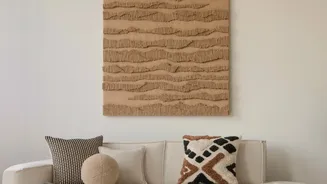
When you hear “wall textile,” you might picture a classic medieval-style tapestry. While those have their place, the modern approach is far more expansive. Think of lightweight area rugs with compelling geometric patterns, vintage quilts rich with history and colour, or beautifully woven blankets. Even a simple, high-quality canvas drop cloth can be painted with an abstract design to create a budget-friendly masterpiece. Other options include framed fabric panels, which give a more structured look, or even delicate materials like silk or linen for a refined, elegant feel. The key is to choose a material with enough weight to hang smoothly and resist creasing.
Choosing Your Centrepiece
Selecting the right textile is crucial. Consider the scale of your room first. A large, open wall can handle a bold, expansive piece that acts as the room's anchor. In smaller spaces, a vertically oriented textile can draw the eye upward, creating an illusion of height. The colour palette of the textile should complement your existing decor, either by picking up on accent colours already in the room or by introducing a new, deliberate pop of colour. Style is also a major factor. A vintage Moroccan rug adds bohemian warmth, a minimalist black-and-white woven piece feels modern and graphic, and a floral botanical print can create a soft, romantic atmosphere.
The Art of the Hang
Perhaps the greatest appeal of using textiles is the freedom from permanent fixtures. For renters or the decor-indecisive, this is a game-changer. The simplest method is to hang the textile from a curtain rod or a decorative dowel mounted on the wall. This allows the fabric to drape naturally. For a completely damage-free approach, tension rods are perfect for hanging textiles in alcoves or between two walls. For very lightweight fabrics, strong adhesive hooks can be used. Another popular method, especially for heavy pieces like rugs, is to attach the hook side of a Velcro strip to a wooden slat mounted on the wall, and the soft loop side to a fabric casing sewn onto the back of the textile. This distributes the weight evenly and creates a clean, floating look.
Decorating Beyond the Living Room
While living rooms are a natural fit for a large textile focal point, don't limit your imagination. In the bedroom, a beautiful tapestry or quilt can serve as a stunning and soft headboard, adding texture and warmth to your sleeping space. In a dining room, a textile can define the eating area and absorb sound, making conversations more pleasant. A long, narrow textile can bring life to a hallway, while a vibrant piece in a home office can provide inspiration and a welcome break for the eyes. The versatility of these pieces means any room with a blank wall is a potential canvas.