




The Creamy Cloud of Confusion
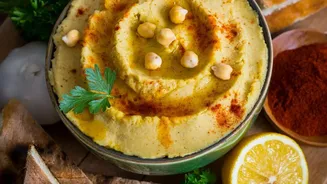
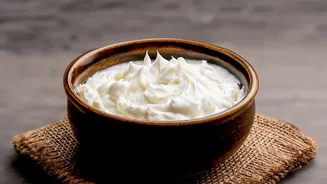
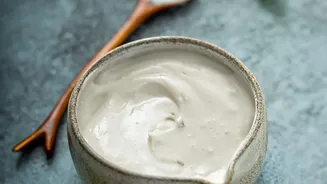
One taste of toum and your mind starts guessing. It’s a thick, cloud-like condiment with a powerful garlic punch, so smooth and rich that it’s easy to assume there must be a creamy base. Is it a yogurt sauce? A type of mayonnaise? Maybe it’s blended with potatoes
or even chickpeas for body? The confusion is understandable. Its appearance is similar to aioli, and its texture feels far too luxurious to come from just a few simple pantry staples. Often found in Lebanese and other Levantine restaurants, toum—which simply means “garlic” in Arabic—is a star condiment for a reason. But its magic doesn’t come from fillers or dairy; it comes from a specific culinary technique that transforms a handful of ingredients into something extraordinary.
The Reality: Four Simple Ingredients
The secret to traditional toum is its radical simplicity. At its heart, authentic toum is made from just four ingredients: fresh garlic, a neutral-flavoured oil, lemon juice, and salt. That’s it. There are no eggs, no dairy, no chickpeas, and no potatoes. It is naturally vegan and gluten-free. The choice of ingredients is crucial. A neutral oil like canola, grapeseed, or sunflower oil is preferred because olive oil can introduce a bitter flavour and a yellowish tint, overpowering the star ingredient. Fresh, firm garlic cloves are essential for both flavour and the chemical reaction that creates the sauce's texture. The process relies entirely on the science of emulsification to create its signature creamy, fluffy consistency.
The Science of Emulsion
So, how does garlic and oil become a thick, white spread? The process is a classic emulsion, where two ingredients that don't normally mix, in this case oil and the water from garlic and lemon juice, are forced together. Traditionally, this was done by hand with a mortar and pestle, a painstaking process of crushing garlic into a paste and then adding oil drop by drop. Today, a food processor is the tool of choice. The garlic is first processed with salt and lemon juice into a smooth paste. Then, with the processor running, the oil is streamed in extremely slowly. If the oil is added too quickly, the emulsion will break, resulting in a thin, oily mess instead of a thick sauce. The slow, steady addition of oil allows tiny droplets to be suspended within the garlic-lemon mixture, creating the stable, whipped texture that defines toum.
Toum vs. Aioli: A Common Mix-Up
Much of the confusion around toum’s ingredients stems from its similarity to aioli. Both are garlic-based emulsions from the Mediterranean region. Traditional Spanish aioli is also a simple mix of garlic and oil. However, the term "aioli" is now commonly used to describe what is essentially garlic-flavoured mayonnaise, which contains egg yolks. This modern, egg-based aioli is what most people are familiar with, leading to the assumption that the similarly creamy toum must also contain eggs. But while they serve similar purposes as dips and spreads, traditional toum is distinctly egg-free, giving it a more potent, purer garlic flavour compared to the richer, milder taste of an egg-yolk-based aioli.
Why Some Recipes Add Shortcuts
While traditional toum is pure, some modern recipes or commercial versions do include stabilizers to make the emulsion process more foolproof. An egg white is a common addition; it helps the sauce come together more easily and prevents it from breaking. This is a useful trick if you're struggling to get the emulsion to hold, but it is not part of the authentic recipe. Other recipes might call for a bit of potato or even a splash of ice water to help stabilize or thicken the mixture. These additions are shortcuts or fixes rather than essential components. The most dedicated toum makers insist that with fresh ingredients and a patient hand, all you need are the original four to achieve that perfect, fluffy result.
How to Best Enjoy Toum
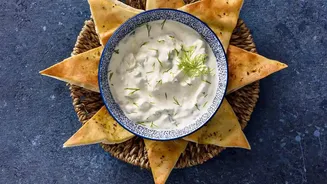
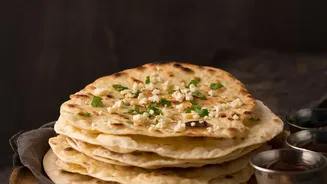
Toum is an incredibly versatile condiment, traditionally served alongside grilled chicken dishes like shish tawook, shawarma, and kebabs. Its bold flavour cuts through the richness of the meat perfectly. It’s also fantastic as a dip for french fries, pita bread, or fresh vegetables. You can use it as a spread on sandwiches and wraps for a powerful garlic kick or even mix it into salad dressings and marinades. If you find the flavour too intense, the garlic will mellow after a few days in the refrigerator. You can also temper its strength by mixing it with a bit of plain yogurt or tahini.