
Why Make Your Own Candles?
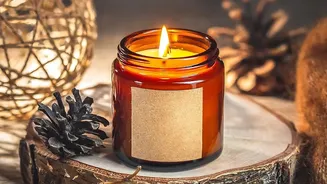
Diving into DIY candle making is more than just a way to save money on expensive decorative candles. It’s a rewarding and therapeutic craft that offers complete creative control. You get to choose every element, from the type of wax and wick to the specific
fragrance and container. This allows you to craft scents that perfectly match your mood or home decor, create personalised gifts for friends and family, and enjoy a mindful activity that ends with a beautiful, functional product. Plus, knowing exactly what goes into your candles means you can opt for natural waxes and high-quality ingredients.
Gathering Your Essential Supplies
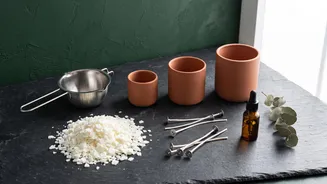
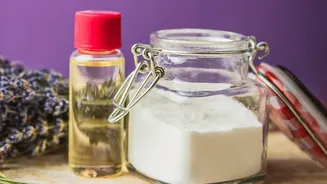
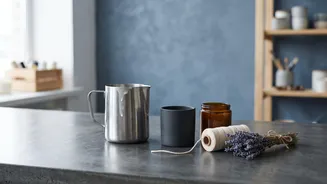
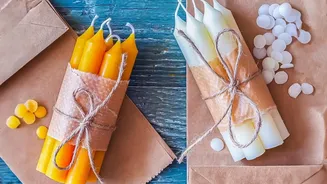
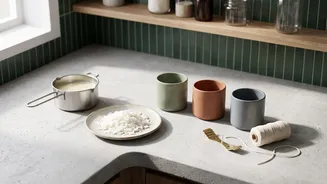
Getting started is straightforward, and you don't need a lot of specialised equipment. Most items can be found at craft stores or online candle supply shops. For your first batch, you will need: - Candle Wax: Soy wax is highly recommended for beginners. It's a natural, renewable resource that's easy to work with, burns cleanly, and holds fragrance well. Other options include paraffin, coconut wax, and beeswax. - Wicks: The wick is crucial for a good burn. The size you need depends on the diameter of your container. Buying a sample pack can help you find the right fit. Ensure they come with metal tabs to anchor them. - Containers: You can use glass jars, tins, or ceramic pots. The most important thing is that they are heat-resistant and won't crack. - Fragrance Oils: Choose high-quality fragrance oils specifically designed for candle making for the best scent throw. - Tools: A melting pot or a double boiler setup (a pouring pitcher inside a larger pot of simmering water), a digital scale for accuracy, a thermometer to monitor wax temperature, and wick holders or clothespins to keep the wick centred are essential.
A Step-by-Step Guide to Your First Candle
With your supplies ready, it's time for the fun part. First, prepare your workspace by covering surfaces with newspaper. Wash and dry your containers thoroughly. Use a wick sticker or a dab of hot glue to secure the wick's metal tab to the bottom centre of your jar. Use a wick centering tool or two chopsticks laid across the jar's rim to hold the wick straight and taut. Next, use your scale to weigh the wax flakes; a general rule is to double the container's volume in ounces. Melt the wax gently in your double boiler, stirring occasionally. Avoid overheating the wax. Once melted, use your thermometer to monitor the temperature. Let the wax cool to the temperature recommended by your fragrance oil supplier (usually around 85°C) before stirring in the scent. Mix gently but thoroughly for about two minutes. After mixing, let the wax cool a bit more before pouring it slowly into your container to avoid air bubbles. Leave a small amount of wax in your pot for a potential second pour. Let the candle cool undisturbed for several hours, or overnight. If a sinkhole forms around the wick, reheat the leftover wax and do a small second pour to level the surface. Once fully cured, trim the wick to about a quarter-inch before its first burn.
Mastering the Scent
The fragrance is the soul of your candle. While you might be tempted to use essential oils, fragrance oils are generally better for candle making as they are specifically formulated to bind with wax and provide a strong, stable scent throw when burned. A common starting point is to use about one ounce of fragrance oil per pound of wax, but always check the manufacturer's recommendation for your specific wax, as each type has a maximum fragrance load it can hold. Adding the fragrance at the right temperature is key. If the wax is too hot, the scent can burn off; if it's too cool, it won't mix properly. This is why a thermometer is a beginner's best friend.
Crucial Safety Precautions
Working with hot wax requires your full attention. Never leave melting wax unattended. Water and hot wax are a dangerous combination; even a small amount of water can cause the wax to sputter and pop, creating a fire hazard, so ensure all your equipment is completely dry. Good ventilation is also important, especially when working with fragrances, so open a window or use a fan to ensure proper airflow. Always wear protective gear like an apron and consider safety glasses to protect from any splashes. Finally, remember that a burning candle is an open flame. Always place it on a heat-resistant surface, away from flammable materials like curtains, and never leave it unattended.