
The Satellite Boom
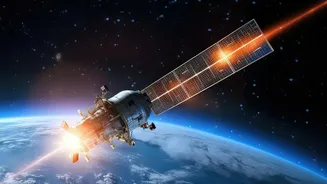
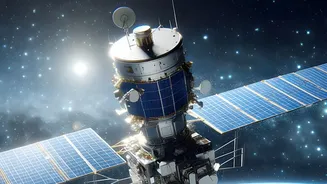
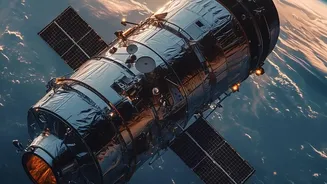
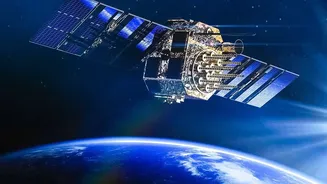
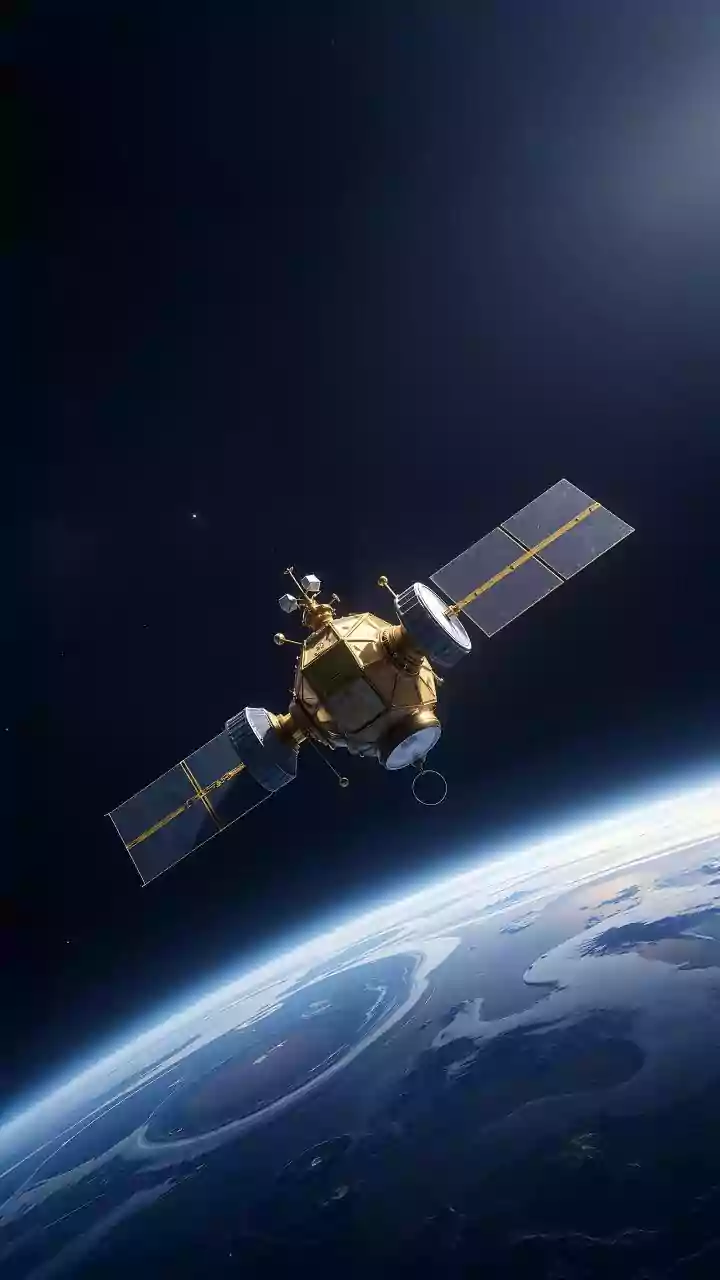
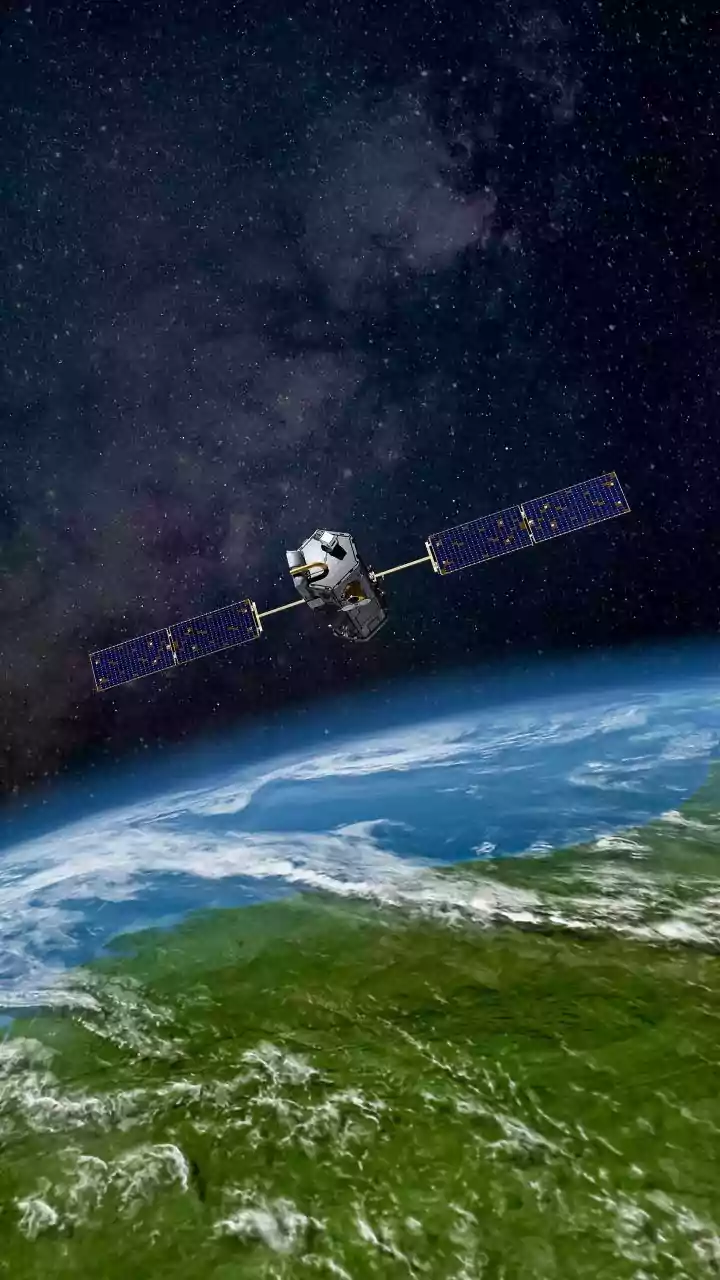
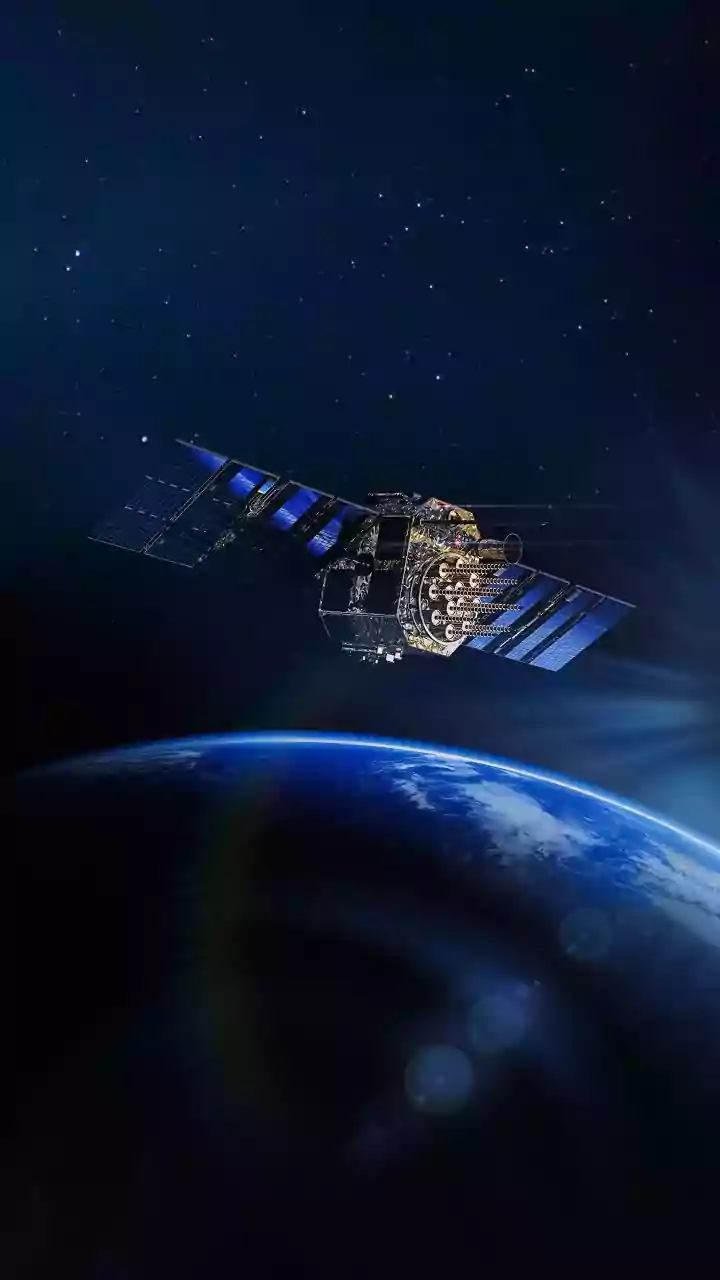
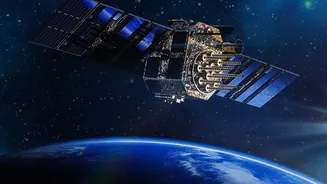
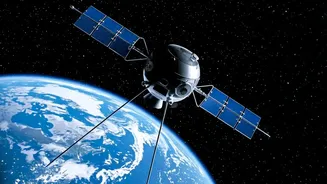
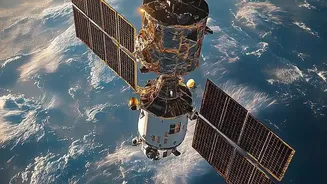
We are in the midst of a revolution in space access. Private companies like SpaceX with its Starlink network, Amazon with its upcoming Project Kuiper, and others are deploying vast 'mega-constellations' of satellites. Unlike the large, school bus-sized
satellites of the past that were launched one at a time, these new constellations involve thousands of smaller, mass-produced units. Their primary goal is to blanket the Earth in high-speed internet, connecting remote and underserved communities. While this promises to bridge the digital divide, it has created a problem of sheer numbers. The number of active satellites has exploded in recent years, with plans for tens of thousands more to be launched before the decade is out. This rapid population growth is concentrated in specific, highly valuable orbital regions.
A Traffic Jam in Low Earth Orbit
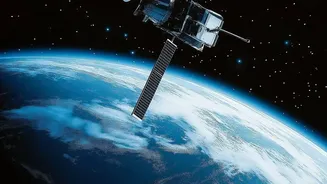
The area most affected is Low Earth Orbit (LEO), an orbital band extending from about 160 to 2,000 kilometers above the planet. It's the most accessible and cost-effective region for deploying large constellations. However, this convenience has turned LEO, particularly certain orbital 'shells' or altitudes, into the equivalent of a congested highway during rush hour. Satellites in LEO travel at incredible speeds, over 28,000 kilometers per hour. At this velocity, even a small piece of debris can strike with catastrophic force. With thousands of new satellites sharing these popular orbital highways, the probability of a collision, once a remote possibility, is becoming a statistical concern for operators and space agencies alike. The risk is not evenly distributed; specific altitudes are becoming far more crowded than others, creating hotspots of potential disaster.
The Domino Effect of Space Debris
The primary fear is a cascading chain reaction known as the 'Kessler Syndrome,' a theory proposed by NASA scientist Donald J. Kessler in 1978. He warned that if the density of objects in LEO became too high, a single collision could generate a cloud of debris. Each piece of that debris would then be capable of destroying another satellite, creating even more debris. This would set off a self-sustaining domino effect, shattering more and more objects and rendering certain orbits completely unusable for generations. A single significant collision could essentially close off a valuable orbital band, littering it with a lethal field of high-velocity shrapnel. This isn't just a theoretical problem; the International Space Station has had to perform avoidance maneuvers to dodge debris, and near-misses between active satellites are becoming more frequent.
Consequences on the Ground
The sustainability of Earth's orbit is not an abstract concern for astronomers and astronauts. A loss of access to LEO would have profound consequences for our modern way of life. We rely on satellites for much more than just streaming movies. They are critical for GPS navigation, which underpins global logistics, ride-sharing apps, and emergency services. They facilitate financial transactions, provide vital weather forecasting and climate monitoring data, and support communications in remote areas during natural disasters. If these orbital highways become too dangerous to operate in, these services could be disrupted or become far more expensive to maintain. The very connectivity that the new constellations promise to deliver could be threatened by their own proliferation.
The Search for Solutions
Recognizing the growing threat, space agencies, governments, and private companies are beginning to explore solutions. International guidelines are being discussed to better manage space traffic, akin to air traffic control for airplanes. Satellite operators are improving their ability to track their spacecraft and perform automated collision avoidance maneuvers. There's also a focus on 'de-orbiting' satellites at the end of their lifespan, ensuring they burn up in the atmosphere rather than becoming derelict junk. More ambitious solutions involve developing technologies for active debris removal—essentially space tow trucks that can capture and remove the most dangerous pieces of existing debris. However, these technologies are complex, expensive, and not yet widely deployed, making preventative measures the most critical tool for now.