





Rediscovering the Power of Amaranth
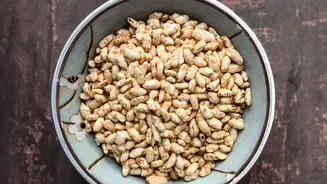
Often called a 'superfood', amaranth has a rich history stretching back thousands of years to ancient Aztec and Mayan civilisations. While it's cooked and consumed like a grain, amaranth is technically a 'pseudo-cereal'—more closely related to spinach
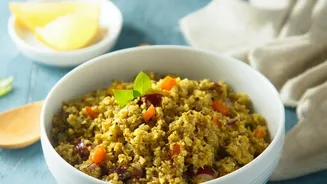
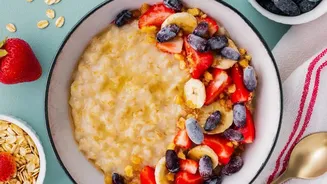
than to wheat or rice. In India, it is well-known as 'rajgira' or 'ramdana', translating to 'God's grain', and has been a staple in cooking for centuries, especially during fasting periods. What makes amaranth so special is its impressive nutritional profile. It's a fantastic source of plant-based protein, and notably, it's a complete protein containing lysine, an essential amino acid often lacking in other grains. It is also naturally gluten-free and packed with fibre, iron, magnesium, and manganese, which is crucial for brain function. When cooked, it has a mild, nutty flavour and a texture similar to a thick porridge, making it an ideal base for a hearty breakfast.
Dates: Nature's Caramel Candy
If you're looking to cut down on processed sugar, dates are a game-changer. These sweet, chewy fruits are not just delicious; they are a nutritional powerhouse. Dates are packed with natural sugars like glucose and fructose, but unlike refined sugar, they also deliver a healthy dose of fibre. This fibre helps to slow the absorption of sugar into the bloodstream, providing sustained energy without the dreaded spike and crash. Dates are also an excellent source of essential minerals like potassium and magnesium, which support heart health and muscle function. Furthermore, they are rich in antioxidants, including flavonoids and carotenoids, which help protect the body's cells from damage and reduce inflammation. With their deep, caramel-like flavour, they serve as the perfect natural sweetener, adding richness and moisture to any dish they grace.
A Perfect Nutritional Partnership
When amaranth and dates come together in a breakfast bowl, they create a truly synergistic meal. The combination offers a balanced macronutrient profile that sets you up for a productive day. The high-quality protein and fibre from the amaranth promote a feeling of fullness, which can aid in weight management by reducing the urge to snack between meals. The natural sugars from the dates provide a quick yet stable energy boost, while their fibre content ensures that energy is released steadily over time. This pairing delivers a wealth of micronutrients. You get iron and manganese from the amaranth for blood health and brain function, plus potassium and magnesium from the dates for your heart and bones. Together, they create a breakfast that is not only naturally sweet and satisfying but also incredibly nourishing from the inside out.
How to Build Your Breakfast Bowl
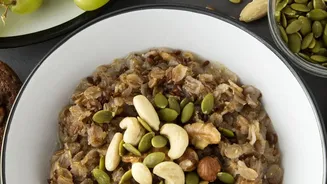
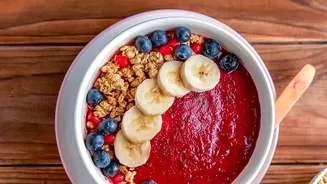
Creating your own amaranth and date breakfast bowl is simple. The first step is to cook the amaranth. For a porridge-like consistency, a common method is to use a ratio of about one part amaranth to three parts liquid (water, milk, or a mix). Simply bring the liquid to a boil, add the amaranth, then reduce the heat and let it simmer for about 20-25 minutes, stirring occasionally until it thickens. While the amaranth is cooking, chop a few pitted dates. Once the porridge is ready, stir in the chopped dates, which will melt slightly and infuse the bowl with their natural sweetness. From here, the customisation possibilities are endless. For extra creaminess, add a splash of coconut milk. For a bit of crunch, top with toasted almonds, walnuts, or pecans. A sprinkle of seeds like chia or flax can boost the fibre and omega-3 content. Fresh fruits like sliced bananas or berries add freshness, while a dash of cinnamon or cardamom can provide a warm, aromatic finish.